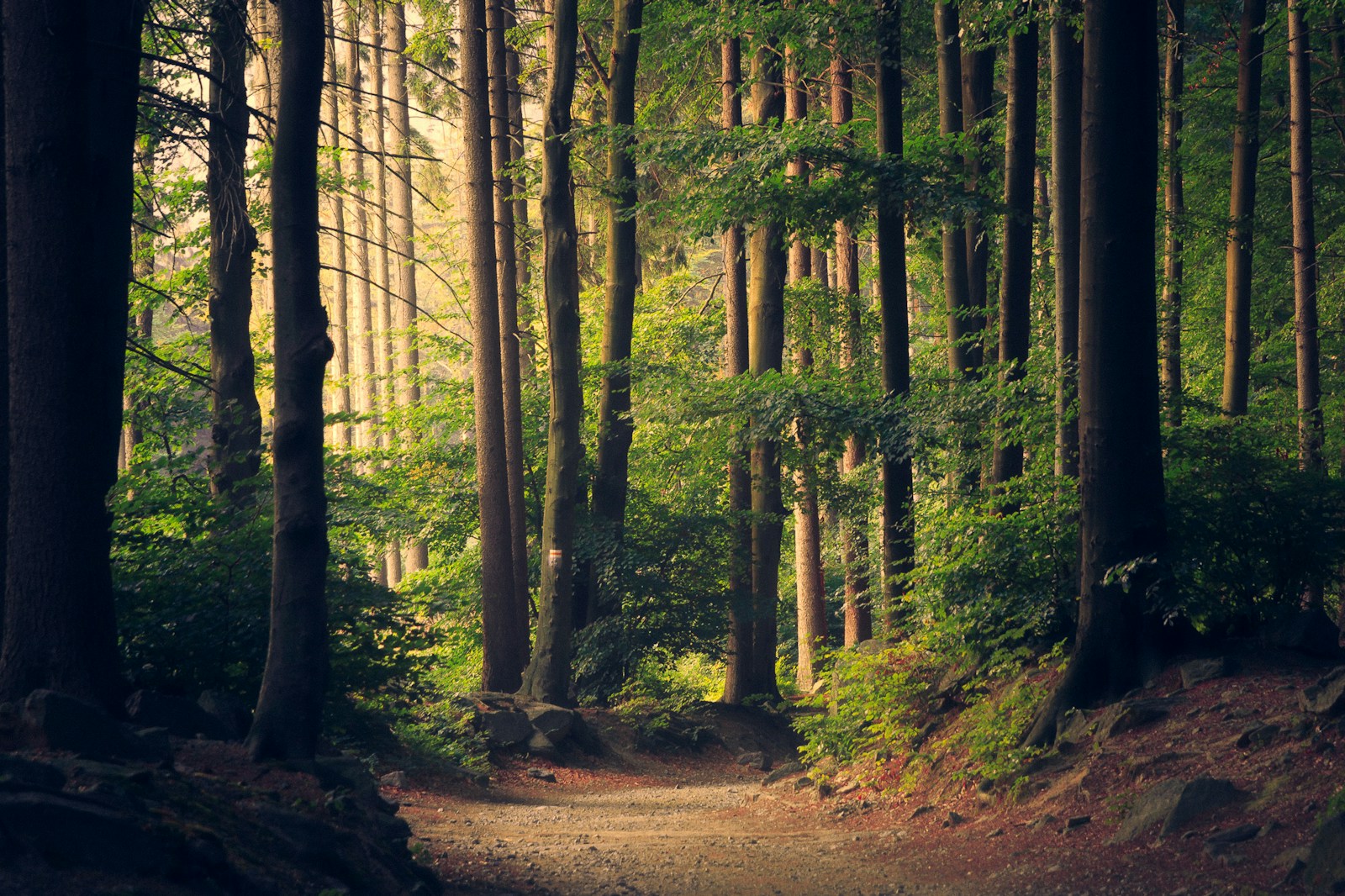
Lac Qui Parle State Park
Lac Qui Parle State Park is one of Minnesota’s premier birding destinations—a sprawling complex of river floodplains, prairie wetlands, and wooded hillsides along the upper Minnesota River. The name is French for “the lake which speaks,” derived from a Dakota phrase describing the echoing calls of waterfowl. During spring migration, up to 150,000 geese transform the lake into a thunderous spectacle. With 253 documented bird species, a 33,000-acre Wildlife Management Area next door, and Minnesota’s largest cottonwood tree, this is nature at its most magnificent.
World-Class Birding
Lac Qui Parle and the adjacent Wildlife Management Area form one of the Midwest’s most important waterfowl stopovers.
| Birding Facts | Details |
|---|---|
| 🦆 Species Documented | 253 bird species |
| 🪿 Spring Migration | Up to 150,000+ geese (late March – early May) |
| 🦅 Fall Migration | 30,000 Canada geese (September – October) |
| 🦢 Swans | Whistling swans in April and November |
| 🦅 Bald Eagles | Common year-round, especially fall/winter |
| 🐦 White Pelicans | Nest on island in the lake |
🦆 Peak Migration Times
- Spring: Late March – Early May (150,000+ geese!)
- Fall: Late September – October (30,000 geese)
- Best viewing near dam outlet where open water persists
- Well-maintained observation points for all abilities
33,000-Acre Wildlife Management Area
| WMA Facts | Details |
|---|---|
| 📐 Size | 33,000 acres (adjacent to state park) |
| 🌊 Habitat | Wetlands, prairie potholes, marshes, grasslands |
| 🛶 Water Trail | Part of Minnesota River State Water Trail |
| 🎯 Hunting | Popular for waterfowl hunting (in season) |
Hiking Trails – ~7 Miles
| Trail | Distance | Highlights |
|---|---|---|
| 🌳 Floodplain Forest Loop | 2.1 mi | Flat, easy; through river bottom forest |
| ⛰️ Upper Campground Trail | 0.7 mi | Rolling hills; leads to largest cottonwood tree |
| ❄️ Winter Snowshoeing | Various | Flat terrain ideal for snowshoes; eagle watching |
🌳 Minnesota’s Largest Cottonwood Tree!
The Upper Campground Trail leads to Minnesota’s largest recorded cottonwood tree—a massive specimen that’s a must-see for tree enthusiasts!
Camping – 43 Sites
| Camping Options | Details |
|---|---|
| ⚡ Electric Sites | 24 sites with electric hookups |
| 🚐 Full Hookup | 9 sites with electric + sewer |
| ⛺ Basic Sites | Non-electric sites available |
| 🛒 Cart-In Sites | 3 secluded cart-in sites |
| 👥 Group Camps | 2 sites for up to 50 people each |
| 🏠 Camper Cabins | Available for rental |
| 🚐 Max RV Length | 60 feet |
Park Information
| Detail | Information |
|---|---|
| 💵 Entry Fee | $7/day or $35/year (MN State Park permit) |
| 📐 Size | 530 acres (+ 33,000 acre WMA) |
| 📍 Location | Lac Qui Parle County, SW Minnesota |
| 🕐 Hours | 8 AM – 10 PM daily |
| 🐕 Pets | Allowed in campground on leash |
Frequently Asked Questions
What does Lac Qui Parle mean?
“Lac Qui Parle” is French for “the lake which speaks” or “the lake that talks.” This name originated from a Dakota phrase describing the echoing sounds of waterfowl calls across the water. When tens of thousands of geese gather during migration, the lake quite literally “speaks” with a thunderous chorus of honks and calls!
When is the best time to see geese at Lac Qui Parle?
The most spectacular viewing is during spring migration from late March through early May, when up to 150,000 geese gather on the lake. Fall migration (late September – October) is also impressive, with around 30,000 Canada geese present. The best viewing spots are near the dam outlet where open water persists longer. Check DNR weekly migration reports for current conditions.
How many bird species can you see at Lac Qui Parle?
The state park and adjacent Wildlife Management Area have 253 documented bird species—making this one of Minnesota’s top birding destinations. You’ll commonly see Canada geese, mallards, blue-winged teal, northern pintails, whistling swans, white pelicans (which nest here), various raptors including bald eagles, and numerous shorebirds and songbirds. The diverse habitats support incredible variety year-round.
Is there camping at Lac Qui Parle State Park?
Yes! The park offers 43 campsites in the Upper Campground—9 with full hookups (electric + sewer), 24 with electric only, and basic non-electric sites. RVs up to 60 feet can be accommodated. There are also 3 secluded cart-in sites, 2 group camps (up to 50 people each), and camper cabins. Note: The lower campground was permanently closed due to repeated flooding, though the group camps there remain open.
What is the largest cottonwood tree in Minnesota?
Minnesota’s largest recorded cottonwood tree is located at Lac Qui Parle State Park! You can reach it via the Upper Campground Trail, a 0.7-mile hike with rolling hills. This massive cottonwood is a state champion tree and a must-see for nature enthusiasts. The floodplain habitat along the Minnesota River creates ideal growing conditions for these impressive trees.
Is Lac Qui Parle State Park worth visiting?
Absolutely! If you’re a birder, Lac Qui Parle during spring or fall migration is a bucket-list experience—there’s nothing quite like 150,000 geese taking to the sky. Even outside migration, the 253 species, peaceful trails, champion cottonwood tree, and riverside scenery make it a wonderful retreat. It’s less crowded than many state parks, offering genuine solitude in the prairie landscape.
🦆 The Lake That Speaks
Experience one of Minnesota’s greatest wildlife spectacles—tens of thousands of waterfowl filling the sky at “the lake which talks.” Visit the official Lac Qui Parle State Park website for migration updates, camping reservations, and current conditions.