🌤 Weather at Lava Tree State Monument by season
| Spring | Summer | Fall | Winter |
|---|---|---|---|
| 62–77 °F | 65–80 °F | 64–80 °F | 61–76 °F |
Each range runs from the coldest monthly average low to the warmest monthly average high in that season (1991-2020 climate normals), measured at Hilo 5 S, 17 mi away, elevation 622 ft. Conditions at the park can differ from the station, especially where elevation differs — check a forecast before you go.

Walk Among the Ghosts of an Ancient Forest Frozen in Lava
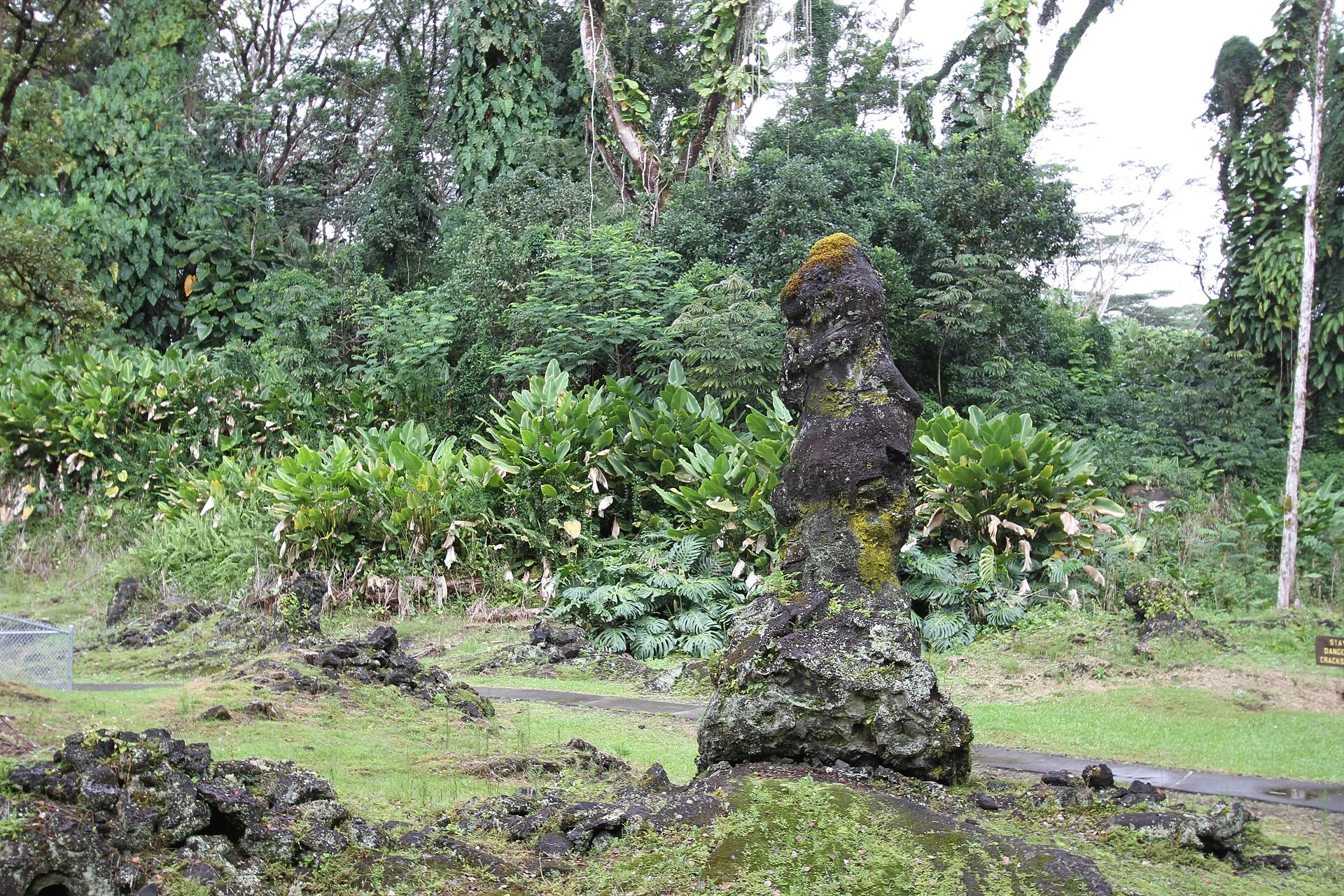
Lava Tree State Monument on Hawaii’s Big Island offers one of the most unique geological experiences in the entire state park system. This 17-acre preserve protects an extraordinary collection of lava tree molds — hollow, chimney-like structures formed when a river of molten lava from Kilauea swept through an ohia forest around 1790, encasing the tree trunks in liquid rock before draining away.
What remains are hauntingly beautiful lava sculptures — some towering over 12 feet tall — that perfectly preserve the shape and even the bark texture of the trees that once stood here. Walking among these ghostly formations feels like stepping into a natural art gallery where the artist was one of the most powerful forces on Earth.
The Loop Trail
The park’s main attraction is an easy 0.7-mile paved loop trail that winds through the lava tree forest. The well-maintained path is mostly flat, making it accessible to visitors of all ages and mobility levels. Most visitors complete the loop in 30–60 minutes, though photographers and geology enthusiasts often spend considerably longer.
What You’ll See Along the Trail
- Lava Tree Molds: Dozens of hollow vertical lava columns line the trail, ranging from a few feet to over 12 feet tall. Look closely and you can still see the impression of tree bark preserved in the hardened basalt — a 230-year-old fingerprint of the living forest.
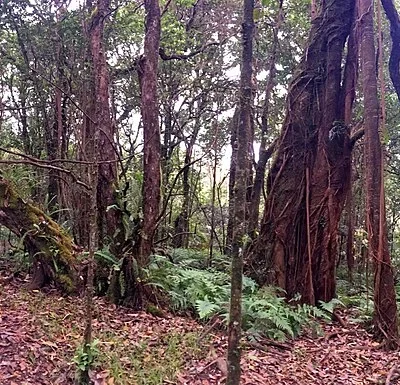
- Lush Tropical Regrowth: The contrast between the stark black lava formations and the vibrant green tropical vegetation is striking. Native ohia lehua trees, hapu’u tree ferns, and lush mosses have gradually reclaimed the landscape, growing directly from cracks in the lava.
- Ground Cracks: Deep fissures in the earth created by volcanic activity are visible along the trail. These cracks sometimes extend many feet deep and serve as a reminder of the powerful geological forces still at work beneath your feet.
- Interpretive Signs: Educational plaques along the trail explain the geology, volcanic history, and ecology of the area, making this an excellent learning experience.
Wildlife & Nature
Despite its volcanic origins, the monument supports a surprisingly diverse ecosystem. Listen for the melodic songs of native Hawaiian birds in the tree canopy, and watch for colorful endemic species. The park is home to various native plants, including the iconic ohia lehua — the first tree to colonize new lava flows — whose brilliant red blossoms are sacred in Hawaiian culture.
Visitor Information
- Location: Pahoa-Pohoiki Road (Highway 132), southeast of Pahoa Town in the Puna district of Hawaii’s Big Island.
- Hours: Open daily during daylight hours.
- Cost: Free admission and free parking.
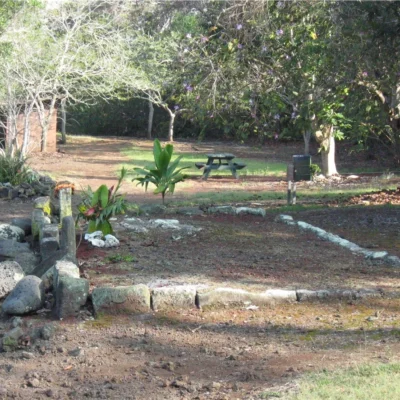
- Facilities: Picnic tables and restrooms are available at the trailhead.
- No Camping: This is a day-use only monument.
- Best Time to Visit: Early morning for the best light and fewer visitors. The Puna district receives significant rainfall, so mornings tend to be drier.
- What to Bring: Comfortable walking shoes, mosquito repellent (essential in this tropical lowland!), camera, and rain jacket.
- Combine With: Nearby attractions include Hawaii Volcanoes National Park (30 minutes) and the Black Sand Beach at Pohoiki (10 minutes).
Why Visit Lava Tree State Monument
In a state filled with volcanic wonders, Lava Tree State Monument offers something genuinely different — a quiet, accessible encounter with the raw power of Kilauea that doesn’t require strenuous hiking or special permits. It’s a perfect addition to a Big Island road trip, combining geological wonder with the serene beauty of a tropical forest slowly reclaiming its volcanic landscape. The entire visit typically takes under an hour, making it easy to combine with other Puna district attractions.
Explore More Hawaii State Parks
Lava Tree State Monument is one of many outstanding state parks in Hawaii. Discover more parks in our Best State Parks in Hawaii guide, or use our Park Finder to search by activity, location, or features.
More parks in Hawaii: MacKenzie State Recreation Area and Wailoa River State Park. See the full Hawaii state parks guide.

🐾 Dogs & Pets at Lava Tree State Monument
- Pets allowed? statewide rule
- Pets are heavily restricted in Hawaii state parks: they are not permitted in pavilions, swimming areas, campgrounds, lodges, on beaches or wherever posted, and only limited areas allow them.
- Leash rule statewide rule
- Where permitted, pets must be crated, caged, on a 6-foot or shorter leash, or otherwise under physical restrictive control at all times
- Beaches & swim areas statewide rule
- Pets are not permitted on beaches or in swimming areas statewide
- Cabins & lodging statewide rule
- Pets are not permitted in lodges or campgrounds, so overnight accommodations are effectively pet-free
- Statewide exceptions statewide rule
- Rules vary by park and posting; effectively day-use only in the limited unposted areas where pets are tolerated
Are dogs allowed at Lava Tree State Monument?
Pets are heavily restricted in Hawaii state parks: they are not permitted in pavilions, swimming areas, campgrounds, lodges, on beaches or wherever posted, and only limited areas allow them. Individual parks can post stricter rules — check signage on arrival.
Rules verified July 2026 via dlnr.hawaii.gov. More: Hawaii state parks guide · Dog rules in all 50 states compared
Park Location
Plan your gear for Lava Tree State Monument
From our editorial guides, matched to this park’s activities: