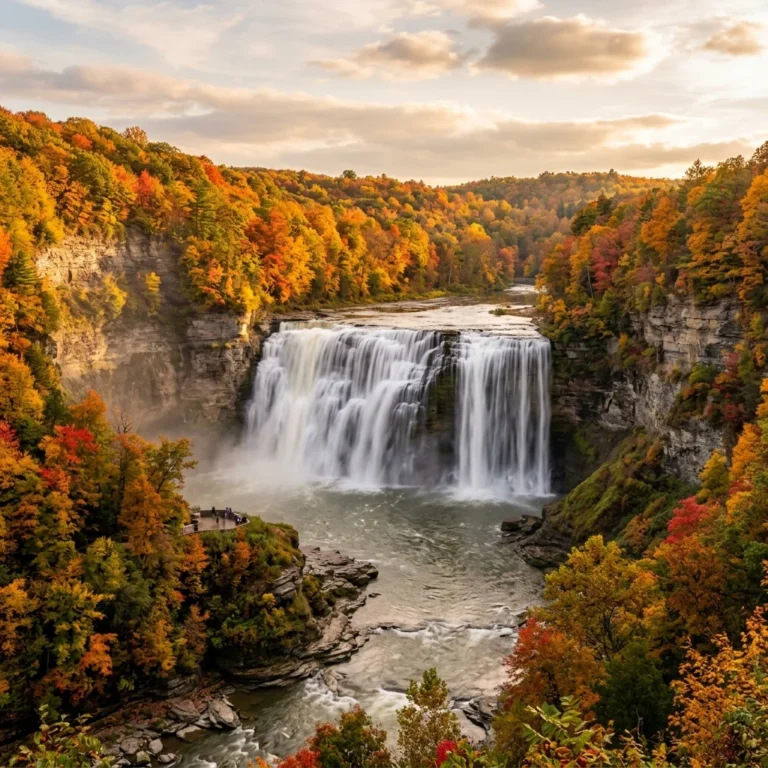
Lowell Lake State Park
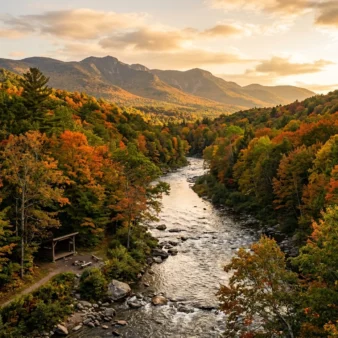
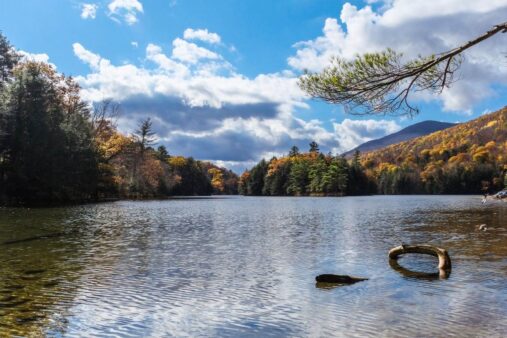
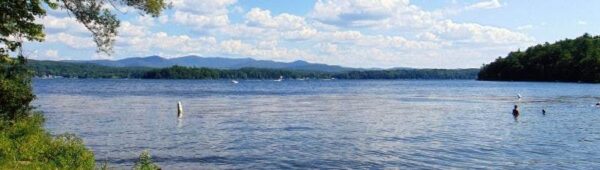
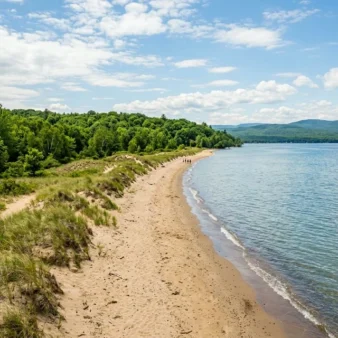
Lowell Lake State Park is a public state park in Vermont near Londonderry. Spanning 361 acres and established in 1981, this park offers a peaceful retreat into nature for visitors of all ages.
Quick Facts
| State | Vermont |
| Nearest City | Londonderry |
| Park Size | 361 acres |
| Established | 1981 |
| Google Rating | ⭐ 4.5/5 (400 reviews) |
Location & Getting There
Lowell Lake State Park is located near Londonderry, Vermont. The park’s coordinates are 43.2194, -72.7614.
Things to Do
Vermont state parks offer quintessential New England outdoor experiences — from the Green Mountains’ forested peaks and alpine meadows to Lake Champlain’s shoreline and quiet Northeast Kingdom ponds. Activities include hiking through hardwood forests and along ridgeline trails, swimming at pristine lake and pond beaches, fishing for trout and bass in cold mountain streams, camping in wooded settings, paddling calm lakes, biking the extensive Kingdom Trails network, birding in diverse habitats, and exploring covered bridges and historic village settings near many parks. The Long Trail, which traverses Vermont’s spine, passes through or near several state parks.
Best Time to Visit
Vermont parks shine brightest in summer and fall. Summer (June–August) offers warm lake swimming, excellent hiking, and lush green landscapes. Fall (late September–mid October) is world-famous — Vermont’s foliage is arguably the finest in America, drawing visitors from around the globe. Leaf-peeping peak varies by elevation: mountains color first, valleys follow. Spring (April–May) is ‘mud season’ — many trails are closed to prevent erosion. Winter brings excellent cross-country skiing, snowshoeing, and ice fishing. Most campgrounds operate Memorial Day through Columbus Day only.
Visitor Tips
Vermont state parks charge per-person day-use fees ($4–$5 adults, children under 4 free). Camping fees vary by site type ($20–$53/night). Reservations through vtstateparks.com — book early for fall foliage weekends, which sell out months ahead. Vermont’s parks are smaller and more intimate than western parks, which adds to their charm. Bring bug spray in early summer — blackflies and mosquitoes can be fierce May through June, especially near water.
Frequently Asked Questions
How much does it cost to visit Vermont state parks?
Day-use fees are typically $4-$5 per adult and $2 for children. Camping fees vary by park and campsite type. Vermont state parks are generally smaller and more intimate than neighboring states.
When is the best time for fall foliage in Vermont?
Vermont foliage typically peaks from late September in the northern Green Mountains to mid-October in southern Vermont. The Green Mountain Byway and Route 100 are legendary foliage drives.
Can I swim in quarries at Vermont state parks?
Yes, several Vermont parks offer unique swimming in historic granite quarries, including Groton State Forest areas. These former quarry pools offer deep, clear water in dramatic stone settings.
What are the best state parks in Vermont?
Top parks include Smuggler’s Notch (dramatic mountain pass), Burton Island (island camping by ferry), Branbury (Lake Dunmore beach), and Quechee State Park (Quechee Gorge overlook).
Explore More Vermont State Parks
Lowell Lake State Park is one of many outstanding state parks in Vermont. Discover more parks in our Best State Parks in Vermont guide, or use our Park Finder to search by activity, location, or features.