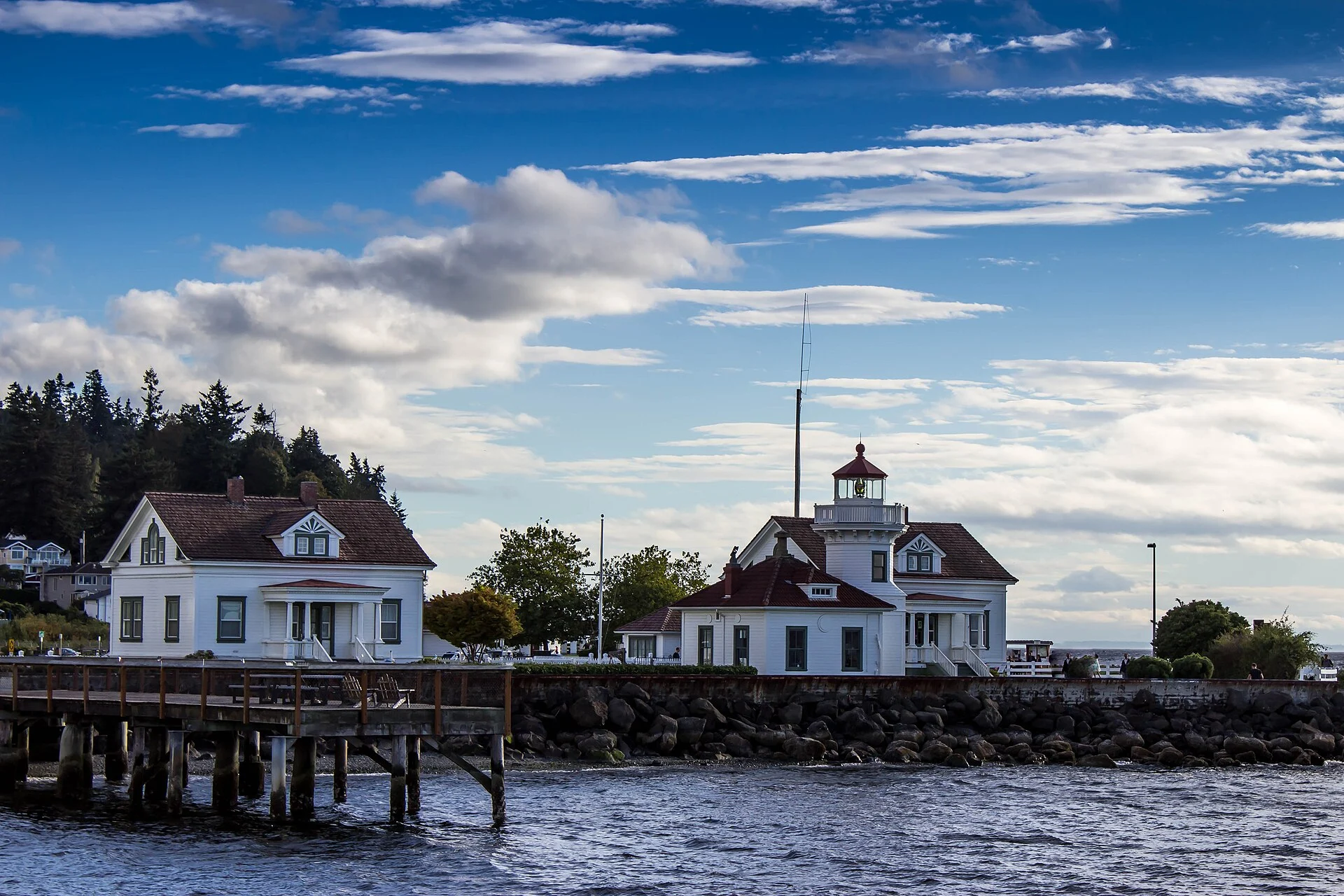
Mukilteo Lighthouse Park
🌤 Weather at Mukilteo Lighthouse Park by season
| Spring | Summer | Fall | Winter |
|---|---|---|---|
| 39–62 °F | 51–73 °F | 40–68 °F | 36–48 °F |
Each range runs from the coldest monthly average low to the warmest monthly average high in that season (1991-2020 climate normals), measured at Everett Snohomish Airport, 3 mi away, elevation 606 ft. Conditions at the park can differ from the station, especially where elevation differs — check a forecast before you go.

🏆 Official Guide: Mukilteo Lighthouse Park — Home to the historic 1906 wood-frame Mukilteo Lighthouse and the site of the 1855 Point Elliott Treaty signing — a maritime and cultural landmark on Washington’s Puget Sound.
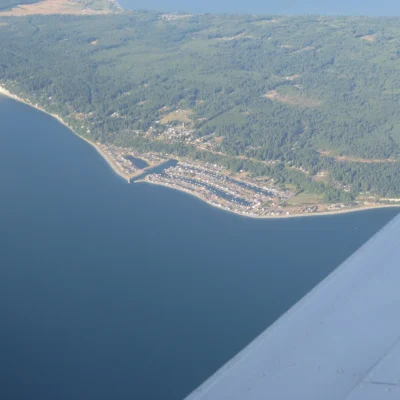
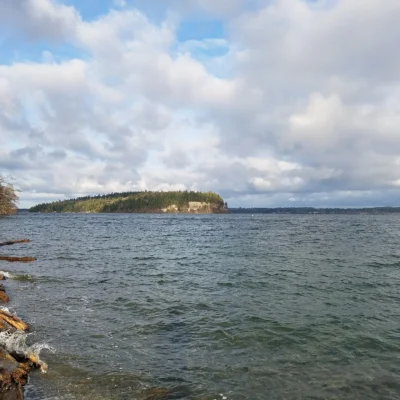
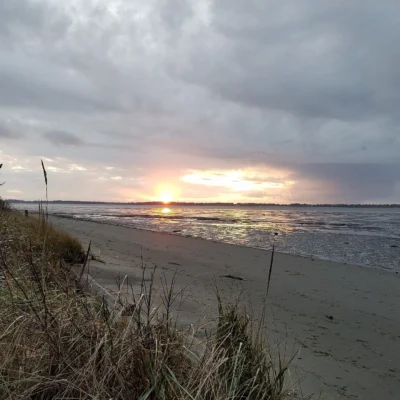
Mukilteo Lighthouse Park combines maritime history, indigenous heritage, and stunning Puget Sound views at the tip of the Mukilteo waterfront. The park centers on the 1906 Mukilteo Lighthouse — one of the few wooden lighthouses remaining on the West Coast — and overlooks the busy Mukilteo-Clinton ferry route connecting the mainland to Whidbey Island.
Visitor Information
| Detail | Information |
|---|---|
| Location | Mukilteo, Snohomish County, WA — Puget Sound waterfront |
| Admission | Free (park); lighthouse tours seasonal |
| Hours | Dawn to dusk, year-round |
| Lighthouse Built | 1906 (wood-frame construction) |
| Managed By | City of Mukilteo (since 2004) |
The Mukilteo Lighthouse
Built in 1906 by the federal Lighthouse Service, the Mukilteo Lighthouse guided maritime traffic — particularly lumber vessels heading to the mills at Everett — through Puget Sound. Unlike most lighthouses of its era built from concrete or brick, the Mukilteo Lighthouse is constructed entirely of wood, making it architecturally distinctive.
The lighthouse was operated by the U.S. Lighthouse Service and later the U.S. Coast Guard before being transferred to the City of Mukilteo in 2001. It remains an active navigational aid.
Point Elliott Treaty (1855)
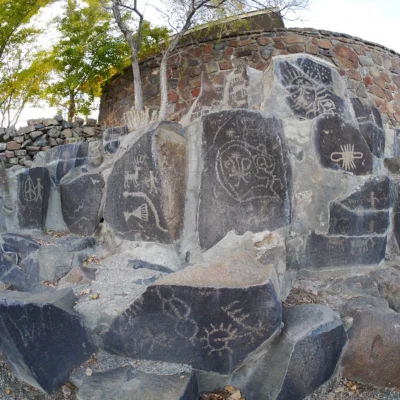
The park occupies one of the most historically significant sites in Pacific Northwest history. On January 22, 1855, the Point Elliott Treaty was signed on this shore between Territorial Governor Isaac Stevens and leaders of 22 Puget Sound tribes, including Chief Seattle (Si’ahl). The treaty ceded millions of acres of tribal land to the United States while reserving fishing, hunting, and gathering rights — rights that remain legally significant today.
The name “Mukilteo” derives from a local indigenous word meaning “good camping ground.”
Activities
| Activity | Details |
|---|---|
| Lighthouse Tours | Seasonal tours (check schedule); view Fresnel lens |
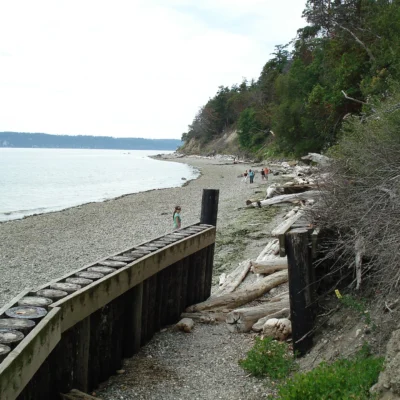
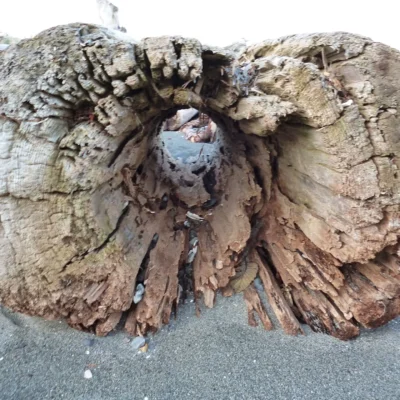
| Beach Access | Sandy beach with driftwood, tide pools |
| Ferry Watching | WSF ferries depart adjacent terminal every 30 min |
| Picnicking | Picnic areas with Puget Sound and Whidbey Island views |
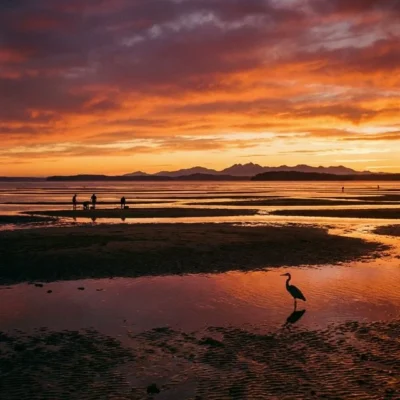
| Photography | Lighthouse, ferries, Olympic Mountains at sunset |
The Ferry Connection
The Mukilteo-Clinton ferry route operates from the adjacent terminal — one of the busiest routes in the Washington State Ferries system. The $187 million terminal, completed in 2020, was designed with a Coast Salish longhouse aesthetic honoring the indigenous peoples who have used this shore for thousands of years.
Getting There
From Seattle: ~30 minutes north via I-5 and WA-525. From Everett: ~10 minutes south via WA-526. The park is directly adjacent to the Mukilteo ferry terminal. Parking can be limited during peak ferry hours.
Nearby Attractions
| Attraction | Distance | Highlights |
|---|---|---|
| Future of Flight/Boeing Tour | 3 miles N | Boeing Everett Factory — world’s largest building |
| Whidbey Island (via ferry) | 20-min crossing | Deception Pass SP, Ebey’s Landing, wineries |
| Jetty Island | 5 miles N (Everett) | Summer-only island with warm-water beach |
Frequently Asked Questions
Can I go inside the Mukilteo Lighthouse?
Yes, during seasonal open hours. The Mukilteo Historical Society and city offer guided tours of the lighthouse interior, including the lantern room with its historic Fresnel lens. Check the city of Mukilteo website for current tour schedules, as hours vary by season.
What was the Point Elliott Treaty?
The Point Elliott Treaty was signed on January 22, 1855, between Territorial Governor Isaac Stevens and leaders of 22 Puget Sound tribes. It ceded millions of acres of tribal land to the United States while reserving fishing, hunting, and gathering rights for the tribes. These treaty rights remain legally enforceable today and have been upheld by the U.S. Supreme Court.
Is parking free at Mukilteo Lighthouse Park?
The park itself is free. Parking near the ferry terminal can be limited and may require payment during peak hours. Arriving outside of rush-hour ferry times improves parking availability significantly.
Make it a road trip: Pair a visit with Wenberg County Park (a short drive away) or Camano Island State Park (a short drive away).
Camping reservations: Book campsites and cabins for Washington state parks online at washington.goingtocamp.com.

🐾 Dogs & Pets at Mukilteo Lighthouse Park
- Pets allowed? statewide rule
- Pets are allowed in most Washington state parks but must be under physical control on a leash at all times.
- Leash rule statewide rule
- 8 ft maximum leash required; pets must be under physical control
- Beaches & swim areas statewide rule
- Pets are not permitted on designated swim beaches
- Cabins & lodging statewide rule
- Pets are not allowed inside vacation houses but are permitted in designated pet-friendly cabins and yurts (e.g. Grayland Beach, Seaquest, Ike Kinswa — Cape Disappointment does NOT allow pets in its yurts), typically up to two pets, with a pet fee
- Pet fees statewide rule
- No day-use pet fee; $15 per night pet fee in pet-friendly cabins/yurts
- Statewide exceptions statewide rule
- Director-designated off-leash areas are exempt from the leash rule and are conspicuously posted
Are dogs allowed at Mukilteo Lighthouse Park?
Pets are allowed in most Washington state parks but must be under physical control on a leash at all times. Individual parks can post stricter rules — check signage on arrival.
Rules verified July 2026 via parks.wa.gov. More: Washington state parks guide · Dog rules in all 50 states compared
Park Location
Plan your gear for Mukilteo Lighthouse Park
From our editorial guides, matched to this park’s activities: