Nisqually State Park
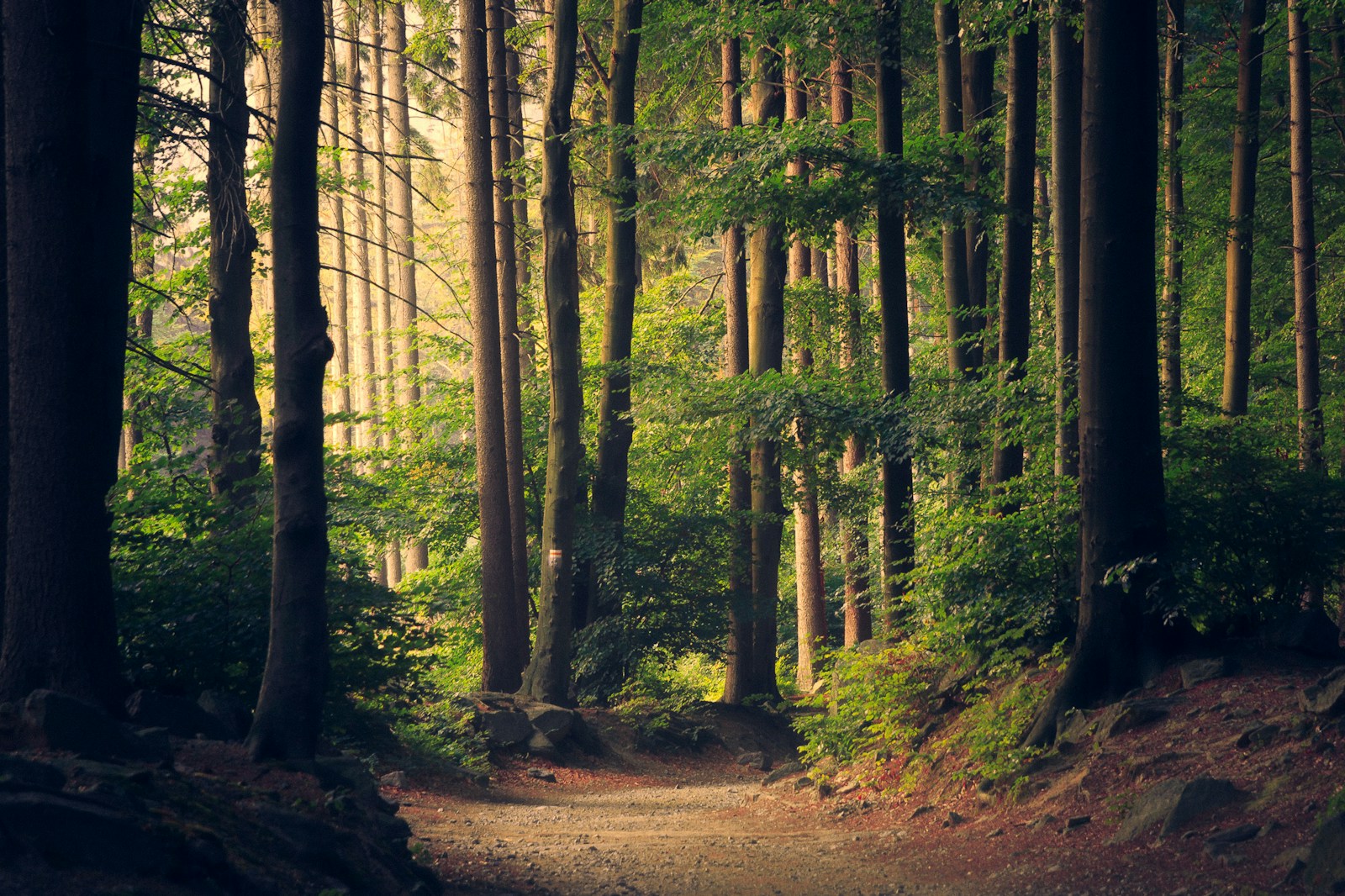
Situated on a stunning, forested plateau where the Mashel River and Ohop Creek converge with the mighty Nisqually River in Pierce County, Nisqually State Park represents the future of Washington’s outdoor recreation. This 1,300-acre landscape is currently undergoing a massive transformation to become the first state park completely co-designed and co-managed with a Native American tribe.
In a historic partnership with the Nisqually Indian Tribe, the park is being built from the ground up to serve not just as a forested playground for hikers and equestrians, but as a living cultural center. When fully realized, the park will immerse visitors in the devastating history, enduring culture, and language of the Squally-Absch (The People of the River, the Grass, and the Mountain).
Nisqually State Park at a Glance
- Location: 43371 Mashel Prairie Rd, Eatonville, WA 98328
- Current Status: CLOSED for Major Construction
- Size: 1,300 acres
- Partnership: Co-managed by Washington State Parks and the Nisqually Indian Tribe
- Main Attractions (When Open): Mount Rainier views, 10+ miles of multi-use trails, Tribal Interpretive Plaza
- Camping: Day-use only. No camping facilities are planned for the immediate future.
A Historic Tribal Partnership
For thousands of years, the Nisqually River watershed was the center of the Squally-Absch universe. The rivers provided massive salmon runs, the prairies provided camas roots, and the forests provided cedar. The creation of Nisqually State Park is a direct effort to return stewardship of this land to the Tribe and tell their story.
The Interpretive Plaza (In Progress)
Currently under construction, the heart of the new park will be a massive welcome center and interpretive plaza. This area will feature tribal art, traditional storytelling native plantings, and exhibits detailing the Tribe’s history—including the struggles of Chief Leschi and the fight for treaty fishing rights in the 20th century.
Mount Rainier Views
On clear days, the park offers absolutely spectacular, unobstructed views of Tahoma (Mount Rainier). The mountain is the spiritual and physical source of the Nisqually River, which originates from the Nisqually Glacier on the mountain’s southern flank before flowing directly past the park.
Multi-Use Trail System
Prior to the closure, the park boasted roughly 10 to 13 miles of rustic trails. These trails largely utilized old, graveled logging roads and narrow footpaths that plunged down into the steep river gorges. These trails are currently being rerouted, stabilized, and expanded during the construction phase.
Equestrian Riding
Nisqually State Park is incredibly popular with the local horse-riding community. Once the new trailheads are completed, the park will feature dedicated, oversized parking specifically for horse trailers, hitching posts, and miles of wide, forgiving trails through the upland forests.
What to Expect When the Park Reopens
Because the park is transforming from an “undeveloped” state park into a premier, flagship destination, visitors returning after the construction finishes will find a completely different experience.
| Feature | Previous State (Pre-2025) | Future State (Post-Construction) |
|---|---|---|
| Parking & Trailheads | A small, basic gravel lot with a single CXT vault toilet. | Massive, paved parking areas with dedicated RV/Equestrian spaces, modern flush restrooms, and welcome kiosks. |
| Trails | Unmarked, unmaintained social trails and overgrown logging roads prone to washouts. | Professionally engineered, graded, and signed trail system looping the river gorges and upland prairies. |
| Interpretation | A single small kiosk near the gravel lot. | A comprehensive, immersive tribal plaza detailing the history and language of the Nisqually Tribe. |
Visitor Tip: Even after reopening, Nisqually State Park will remain strictly a day-use park. There are no plans to add RV hookups or tent camping in the current master plan. Out-of-town visitors will need to find lodging in nearby Eatonville or camp at Alder Lake Park (operated by Tacoma Power).
Frequently Asked Questions
Why is Nisqually State Park closed?
The park is closed to allow heavy machinery to safely build out the park’s first major phase of permanent infrastructure. This includes paving new entrance roads, building a massive roundabout, constructing the tribal interpretive plaza, and installing permanent restrooms and trailheads.
Can I walk in if I park outside the gate?
No. The closure is absolute and applies to vehicles, bicycles, equestrians, and pedestrians. The area is an active, dangerous construction zone with heavy equipment operating daily.
Will I need a Discover Pass when it reopens?
Yes. Like almost all Washington State Parks, a Discover Pass (either a $10 daily pass or a $30 annual pass) will be required for vehicle access to the new trailheads.
Monitor the Park’s Progress
While you cannot visit today, Nisqually State Park is poised to become one of the most culturally and environmentally significant parks in the Pacific Northwest.
📍 Primary Location: 43371 Mashel Prairie Rd, Eatonville, WA 98328
🌐 Official Website / Project Updates: Washington State Parks – Nisqually
📧 Construction Inquiries: nisqually@parks.wa.gov