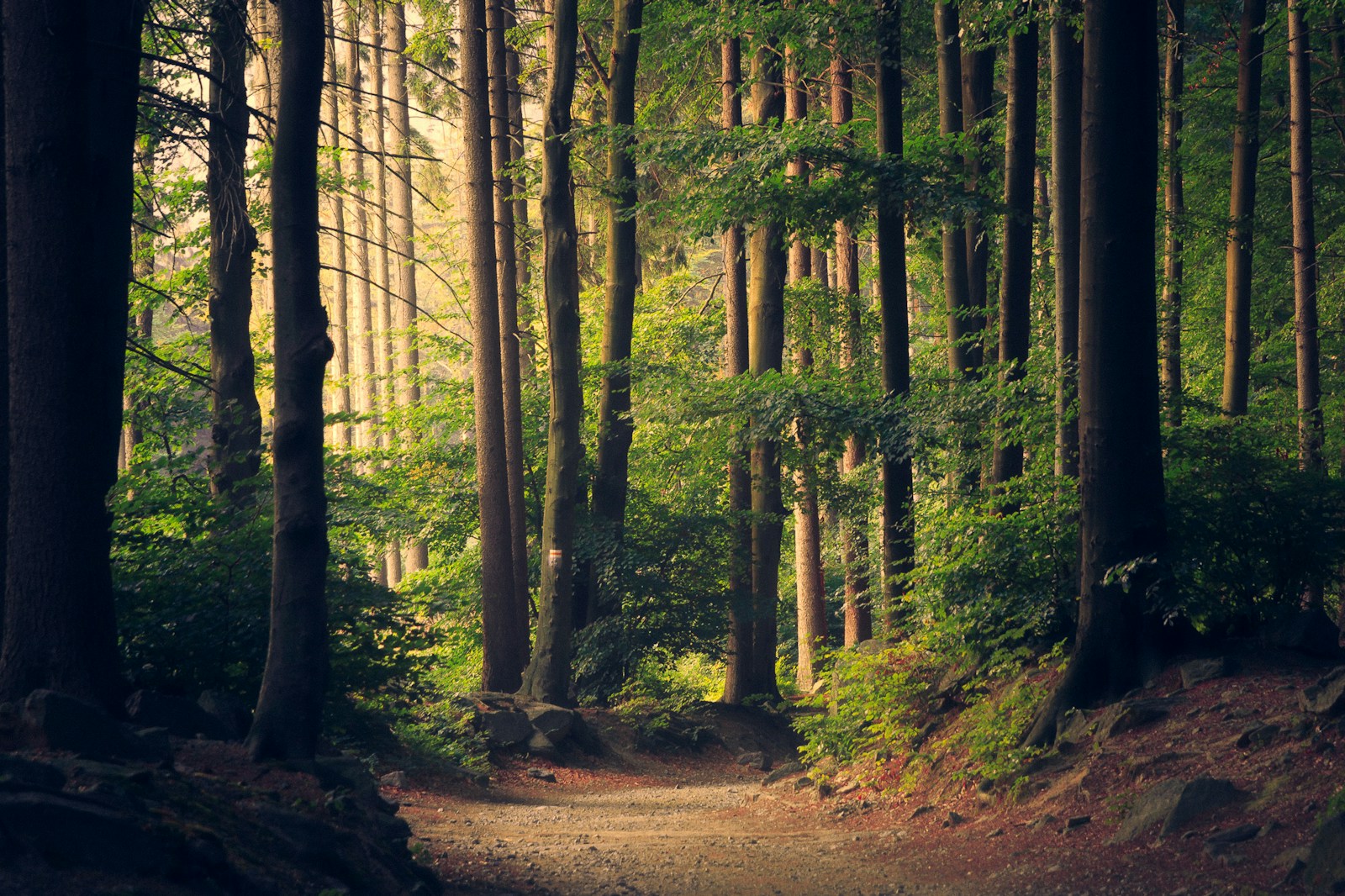
Petoskey State Park
🏆 Michigan’s Treasure Hunting Beach Park — Mile-long Lake Michigan beach famous for Petoskey stones, stunning sand dunes, and million-dollar sunsets on Little Traverse Bay
Why Petoskey State Park Is Northern Michigan’s Favorite
There’s a particular kind of magic to Petoskey State Park that reveals itself slowly. You arrive expecting a beach — and it is a beautiful one, a mile of sand curving along Little Traverse Bay with the kind of Lake Michigan sunsets that silence entire campgrounds. But then you notice the people walking with their heads down, scanning the shoreline with the intensity of detectives at a crime scene. They’re hunting for Petoskey stones — Michigan’s official state stone, the fossilized coral that looks like ordinary gray rock until you wet it and watch 350-million-year-old honeycomb patterns materialize on the surface.
This 303-acre park at the northern tip of Michigan’s Lower Peninsula packs an extraordinary amount of natural beauty into a compact space. The Old Baldy Trail climbs through ancient parabolic sand dunes to panoramic views of Little Traverse Bay. Two modern campgrounds nestle in stands of birch and cedar. Tannery Creek winds through the property providing habitat for brook trout and kingfishers. And the beach — that glorious, stone-rich, sunset-painted beach — anchors everything with the kind of waterfront that makes you understand why people drive 300 miles from Detroit for a single weekend here.
Petoskey Stones: Michigan’s Fossil Treasure
The Petoskey stone is a fossilized colony coral (Hexagonaria percarinata) that lived in a warm, shallow sea covering Michigan approximately 350 million years ago during the Devonian Period. Glacial activity distributed these fossils across northern Lower Michigan, and they wash up on beaches throughout the Petoskey-Charlevoix region — but Petoskey State Park’s beach is widely considered the single best public location in the state for finding them.
| Stone Type | What to Look For | Where | Difficulty |
|---|---|---|---|
| 🪨 Petoskey Stone | Hexagonal honeycomb pattern (visible when wet) | Waterline, gravel patches | Easy-Moderate |
| 🪨 Charlevoix Stone | Smaller, tighter pattern than Petoskey | Same beaches, less common | Moderate |
| 🪨 Leland Blue | Blue-gray slag glass (not fossil) | Rare at this beach | Difficult |
| 🪨 Lightning Stone | Branching patterns like lightning | Mixed with gravel | Difficult |
🔍 Pro Tips: Finding Petoskey Stones
• Best Time: After storms. Wave action exposes fresh stones from the lake bottom. Spring (April-May) after ice-out is prime season.
• Best Conditions: Overcast, calm days. Wet stones show patterns best, and glare makes sunny-day hunting harder.
• Technique: Walk the waterline slowly, scanning the wet zone where waves have just receded. The hexagonal pattern is most visible on wet stones. Carry a spray bottle to wet promising candidates.
• Legal Limit: You may collect up to 25 pounds of stones per year from Michigan state park beaches. No digging or using tools — hand collection only.
• Polishing: To permanently reveal the pattern, wet-sand with progressive grits (220, 400, 600) then polish with cerium oxide. Many shops in downtown Petoskey will polish stones for you.
Old Baldy Trail and Sand Dunes
The Old Baldy Trail is a 0.75-mile loop that climbs to the summit of Old Baldy — one of the largest parabolic sand dunes on Little Traverse Bay. The trail includes wooden stairs and boardwalks that protect the fragile dune ecosystem while providing access to sweeping views of Lake Michigan, the Petoskey shoreline, and the forested interior of the park.
From the summit, the view extends across the bay to Harbor Springs and the bluffs beyond. On clear days, you can see Beaver Island 30 miles to the northwest. The dune itself is a fascinating geological feature — a U-shaped ridge of sand deposited by glacial winds approximately 10,000 years ago, slowly stabilized by dune grass, juniper, and jack pine. Staying on the boardwalk is critical here — fragile vegetation holds the dune together, and footsteps on bare sand can accelerate erosion that takes decades to repair.
| Trail | Distance | Difficulty | Highlights |
|---|---|---|---|
| Old Baldy Trail | 0.75 mi loop | Moderate (stairs) | Summit views, parabolic dune, Lake Michigan panorama |
| Portage Trail | 1.0 mi | Easy | Forest walk, connects campgrounds to beach |
| North Country Trail | Through-hike | Varies | National scenic trail passes through park |
The Beach: A Mile of Lake Michigan Shoreline
The park’s beach stretches approximately one mile along Little Traverse Bay, offering a mix of sandy stretches and rocky/gravel areas that create ideal conditions for both swimming and stone hunting. The water is classic Lake Michigan — crystal clear, cold enough to be refreshing even in August (typically 65-72°F in summer), and shallow enough near shore for small children to wade safely.
The beach faces west-northwest, which means every evening delivers a sunset directly over the water. These sunsets — often featuring dramatic cloud formations lit in orange, pink, and purple — are legendary in northern Michigan and the primary reason many campers request sites in the Dunes campground (which offers the most direct beach access). Bring blankets, a beverage, and a camera. You’ll use all three.
Camping at Petoskey State Park
| Campground | Sites | Amenities | Character |
|---|---|---|---|
| Tannery Creek | 98 sites + 2 mini-cabins | Electric, modern restrooms, showers | Wooded, shaded, near creek |
| Dunes | 70 sites | Electric, modern restrooms, showers | Open, closer to beach, lake breezes |
Both campgrounds fill quickly during July and August — reservations through Michigan’s online system (midnrreservations.com) should be made 6 months in advance for summer weekends. The Tannery Creek campground offers more shade and privacy under birch and cedar canopy, while the Dunes campground provides easier beach access and more open sky for stargazing. The mini-cabins in Tannery Creek are a popular option for campers who want a roof overhead but still want the campground experience.
One important note: pets are not allowed on the beach due to endangered piping plover nesting habitat. Dogs are welcome in the campgrounds and on trails but must be kept on a 6-foot leash at all times.
Best Time to Visit Petoskey State Park
| Season | Weather | Crowds | Best For |
|---|---|---|---|
| Summer (Jul-Aug) | 70-82°F | High | Swimming, camping, legendary sunsets |
| Fall (Sep-Oct) | 45-65°F | Moderate | Fall colors, stone hunting, fewer crowds |
| Spring (Apr-Jun) | 40-65°F | Low-Moderate | Best stone hunting (post ice-out), wildflowers |
| Winter (Nov-Mar) | 15-35°F | Very Low | Snowshoeing, cross-country skiing, solitude |
Summer is king here — warm enough to swim, long enough evenings to watch extraordinary sunsets, and the full campground experience that families build traditions around. But September and early October offer a compelling alternative: fall color peaks around the first week of October in this region, turning the birch and maple forest into a canopy of gold and crimson, while cooler temperatures make hiking Old Baldy far more comfortable and campground availability opens up considerably.
Budget Planning: Petoskey State Park
| Expense | Day Trip | Weekend Camp | Week |
|---|---|---|---|
| Recreation Passport | $17 (annual) or $7 (daily) | $17 | $17 |
| Camping | — | $40-$74 | $140-$259 |
| Mini-Cabin | — | $120-$180 | $420-$630 |
| Food | $10-$25 | $30-$60 | $70-$175 |
| Total (per person) | $7-$42 | $87-$331 | $227-$1,081 |
📸 Photography Guide: Petoskey State Park
• Sunset Beach: Wide-angle (16-35mm) from the beach with wet sand reflections. Arrive 30 minutes before sunset for best cloud color development.
• Petoskey Stone Macro: Spray stone with water, shoot at f/11 for maximum detail. Natural light is best; avoid flash which creates glare.
• Old Baldy Summit: Early morning for calm bay, mist, and soft directional light. Polarizing filter dramatically enhances Lake Michigan’s turquoise color.
• Fall Colors: First week of October. The forest canopy from the Portage Trail is spectacular — 70-200mm for individual tree portraits, wide angle for canopy shots from below.
Nearby Attractions
Downtown Petoskey is just 5 minutes from the park and offers a charming mix of shops, galleries, and restaurants. The Gaslight District features independent retailers, stone-polishing shops, and several excellent restaurants. Kilwin’s original candy shop is right in town. For outdoor adventures beyond the park, the Little Traverse Wheelway is a paved 26-mile bike path connecting Charlevoix, Petoskey, and Harbor Springs along the Lake Michigan shoreline — one of the finest rail-trail conversions in the Midwest.
🏖️ Ready to Hunt Petoskey Stones?
Reserve your campsite and experience the Lake Michigan beach where Michigan’s state stone washes ashore.
Frequently Asked Questions
Can you really find Petoskey stones at Petoskey State Park?
Yes — Petoskey State Park beach is widely considered the single best public location in Michigan for finding Petoskey stones. The stones wash up regularly from the lake bottom, especially after storms and spring ice-out. Walk the waterline where waves have just receded and look for gray stones with a faint hexagonal pattern. The pattern becomes clearly visible when the stone is wet. Spring (April-May) and after storms offer the best conditions for fresh finds.
How cold is Lake Michigan at Petoskey State Park?
Lake Michigan water temperatures at Petoskey State Park typically range from 65-72°F in July and August during favorable conditions. However, Lake Michigan is subject to upwelling events where cold deep water suddenly replaces warm surface water, dropping temperatures to 50°F or below within hours. These events are unpredictable but more common during strong offshore winds. Even at peak summer temperatures, the water is refreshing rather than warm.
Are dogs allowed at Petoskey State Park?
Dogs are welcome in both campgrounds and on hiking trails but must be on a 6-foot leash at all times. Dogs are NOT allowed on the beach. This restriction protects endangered piping plover nesting habitat along the shoreline. The beach restriction is strictly enforced. Other areas of the park, including the Portage Trail and campground roads, are fine for leashed dog walks.
What is the Old Baldy Trail like?
The Old Baldy Trail is a 0.75-mile loop that climbs to the top of a parabolic sand dune via wooden stairs and boardwalks. It’s moderately challenging due to the stairs (approximately 160 steps) but suitable for most fitness levels. The summit offers panoramic views of Little Traverse Bay, Lake Michigan, and Harbor Springs. The entire loop takes 20-40 minutes depending on how long you linger at the viewpoints.
How far in advance should I book camping?
For July and August weekends, book 6 months in advance — campground reservations open on a rolling 6-month window and popular sites sell out within minutes of becoming available. September and October weekends can often be booked 2-3 months ahead. Weekday summer bookings are somewhat easier, especially in the Tannery Creek campground. Last-minute availability occasionally appears due to cancellations — check the reservation system Thursday evening for same-weekend openings.
What else is there to do near Petoskey State Park?
Downtown Petoskey’s Gaslight District (5 minutes away) offers shopping, dining, and stone-polishing services. The Little Traverse Wheelway is a 26-mile paved bike trail connecting Charlevoix and Harbor Springs along the lakeshore. Tunnel of Trees scenic drive (M-119) is 15 minutes north and considered one of America’s most beautiful drives. Mackinaw City and the Mackinac Bridge are 45 minutes north, and the ferry to Mackinac Island is a popular day trip from the park.