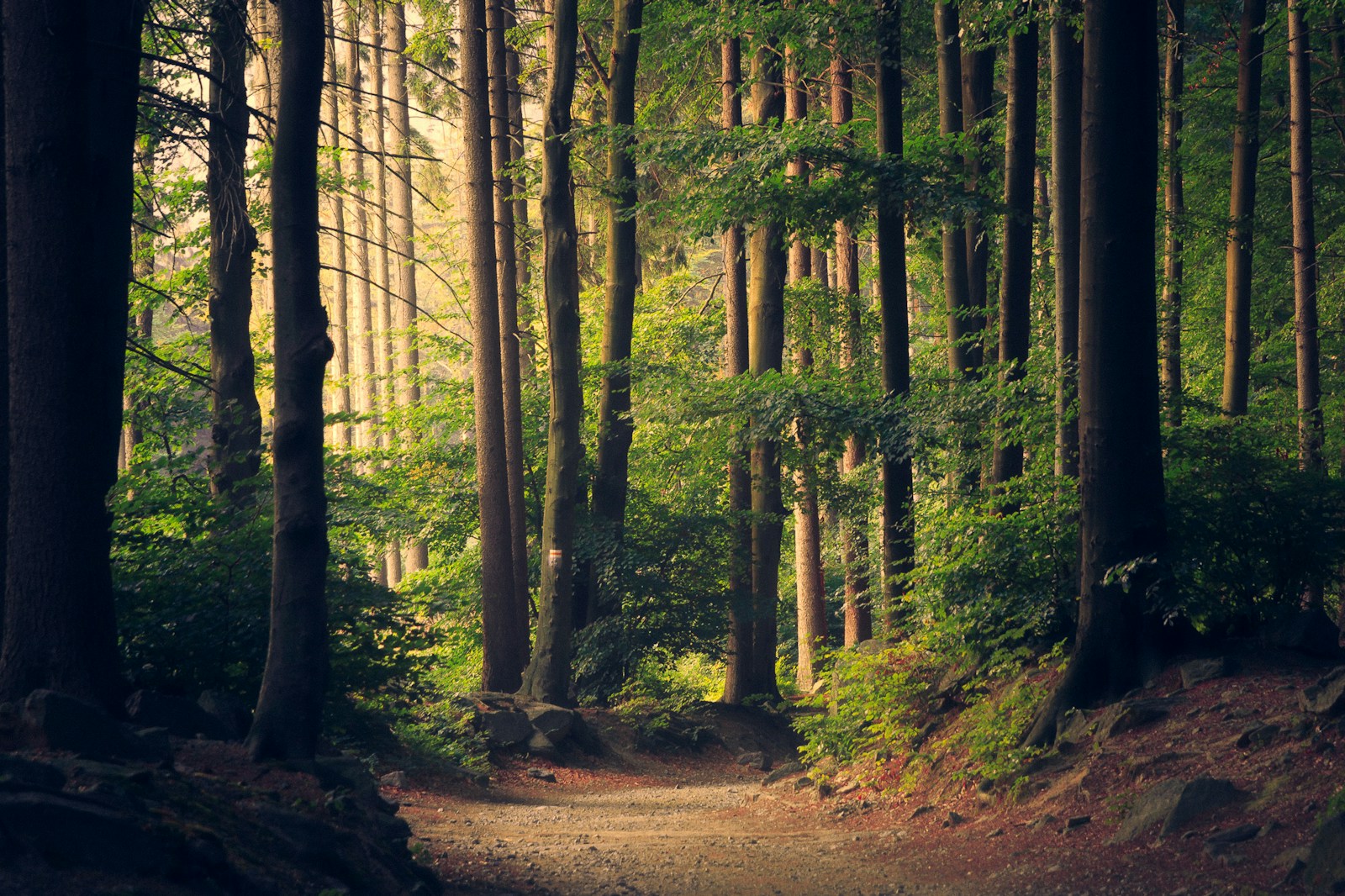
Powderhorn State Park
Situated on a stunning peninsula off Matagorda Bay in Calhoun County, Powderhorn State Park represents the future of coastal conservation and recreation in Texas. Officially acquired by the Texas Parks & Wildlife Department in 2021, this 2,253-acre property sits immediately adjacent to the massive 15,069-acre Powderhorn Wildlife Management Area (WMA). Together, they form one of the largest continuous tracts of protected coastal prairie remaining in the state.
Important Note: As of 2026, Powderhorn State Park is currently under development and is not yet fully open to the public. While the master planning phase is actively underway to design trails, campgrounds, and visitor centers, access remains extremely limited. However, when it officially opens, it promises to be a world-class destination for birding, kayaking, and coastal exploration.
Powderhorn State Park at a Glance
- Location: 10769 FM 1289, Port O’Connor, TX 77982 (Calhoun County)
- Current Status: Under Development (Very Limited Public Access).
- Main Attractions: Pristine coastal prairies, oak mottes, and Powderhorn Lake.
- Wildlife: A critical habitat for over 200 bird species, including the endangered Whooping Crane.
- Open Activities: Currently, only the Powderhorn Paddling Trails are open for public use.
A Triumph of Coastal Conservation
The creation of Powderhorn State Park is the result of a monumental conservation effort. For generations, this massive tract of land operated as a working cattle ranch and was stewarded by the Karankawa Indians long before that. In 2014, a massive coalition of conservation groups raised funds to purchase the pristine, 17,351-acre Powderhorn Ranch specifically to protect its miles of unspoiled shoreline from commercial development.
A Mosaic of Habitats
The landscape of Powderhorn is incredibly diverse. It transitions seamlessly from salty tidal flats and active wetlands into rare, untouched coastal tallgrass prairies. Inland, the park features dense “oak mottes”—clusters of live oak trees shaped by the relentless coastal winds that provide crucial shelter for migrating songbirds.
The Whooping Crane
The protection of this land is vital for the survival of the highly endangered Whooping Crane. The wetlands surrounding Powderhorn Lake and Matagorda Bay serve as primary wintering grounds for the last natural, wild flock of these magnificent, five-foot-tall birds.
Future Development and Current Access
The Texas Parks & Wildlife Department is currently executing a multi-year master design plan. While full development is estimated to take several years, the blueprint for the park is incredibly exciting.
| Planned Park Feature | Description & Vision |
|---|---|
| Hiking and Biking Trails | Future plans include the construction of 8 to 12 miles of multi-use trails weaving through the oak mottes and coastal prairies, featuring elevated boardwalks over sensitive wetland areas. |
| Overnight Accommodations | The final park design will feature a diverse array of overnight options, ranging from primitive, hike-in tent sites to fully equipped RV loops, screened shelters, and climate-controlled cabins. |
| Fishing and Observation | The state intends to build dedicated, ADA-accessible fishing piers stretching into Powderhorn Lake, alongside specialized, elevated wildlife viewing blinds for serious birders and photographers. |
What Can You Do Right Now?
While the terrestrial State Park remains largely closed for infrastructure development, the waterways are open. The Powderhorn Paddling Trails are currently accessible. Kayakers and paddleboarders can launch into Powderhorn Lake to explore the quiet, shallow bays and observe the incredible avian diversity from the water. Additionally, the adjacent Wildlife Management Area (WMA) occasionally opens for highly regulated public hunting drawings and scheduled, guided bird-watching tours in the spring.
Frequently Asked Questions
When will Powderhorn State Park officially open?
An exact opening date has not been finalized. The park is currently passing through the public use planning and design phases. Full infrastructure development (roads, utilities, visitor centers) takes significant time, and a full opening is still likely several years away.
Can I drive into the park to take photographs?
Generally, no. Because it is an active development site without safe public infrastructure, casual drive-in access is restricted. The best way to photograph the area currently is via a kayak on the designated paddling trails or by booking a guided tour through the adjacent WMA.
What is the difference between the State Park and the WMA?
While they share a border, they serve different primary purposes. The 2,253-acre State Park is being designed for public recreation (camping, hiking). The 15,069-acre Wildlife Management Area is managed much more strictly for habitat restoration, species conservation, and regulated hunting.
The Future of Texas Coasts
Track the progress of Texas’s newest coastal treasure as it develops.
📍 Future Location: 10769 FM 1289, Port O’Connor, TX 77982
🌐 Official Website: Texas Parks & Wildlife – Powderhorn
🛶 Current Access: Powderhorn Paddling Trails (Water Access Only)