

🌤 Weather at Riverwoods State Natural Area by season
| Spring | Summer | Fall | Winter |
|---|---|---|---|
| 40–81 °F | 68–91 °F | 39–85 °F | 30–54 °F |
Each range runs from the coldest monthly average low to the warmest monthly average high in that season (1991-2020 climate normals), measured at Memphis Wfo, 8 mi away, elevation 310 ft. Conditions at the park can differ from the station, especially where elevation differs — check a forecast before you go.

🏆 Riparian Bottomland — River bottomland hardwood forest supporting migratory birds
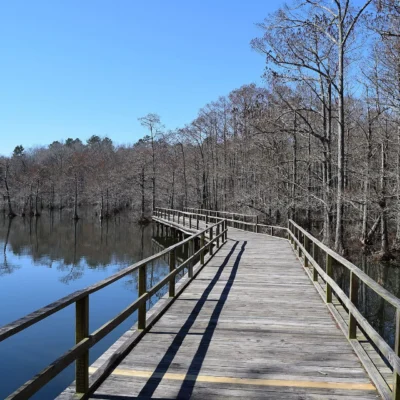
Riverwoods State Natural Area preserves riparian bottomland hardwood forest along a Tennessee waterway. These riverside forests are critical habitat for migratory songbirds during spring and fall migration, providing food and shelter along the Mississippi Flyway. The mature canopy supports nesting species including prothonotary warblers and wood ducks.
Visitor Information
| Detail | Information |
|---|---|
| Location | Tennessee |
| Entry Fee | Free |
| Habitat | Bottomland hardwood forest |
| Birds | Migratory songbirds, prothonotary warbler |
Frequently Asked Questions
When is the best birding?
April–May for spring migration and breeding warblers. Prothonotary warblers — brilliant golden songbirds — nest in tree cavities along the river.
Are river otters common in Tennessee?
River otters were nearly eliminated from Tennessee by the 1970s due to habitat loss and pollution. A reintroduction program released 346 otters from 1983-1994 across the state. Today, healthy populations thrive in most Tennessee rivers — one of the state’s greatest wildlife restoration successes.
More parks nearby: Lucius Burch Jr. Forest State Natural Area is a short drive away, while Ghost River State Natural Area lies a short drive away.
🐦 Visit Riverwoods SNA
Bottomland forest — migratory bird highway along the Mississippi Flyway.
About Riverwoods
Riverwoods State Natural Area protects mature bottomland forest along a Tennessee river — a critical habitat type that has been dramatically reduced throughout the Southeast. Bottomland hardwood forests along rivers are among the most productive ecosystems in temperate North America, supporting exceptional biodiversity.
Things to Do
Walking through the mature bottomland forest, birdwatching (bottomland forests support high concentrations of breeding songbirds), wildflower viewing, and nature observation.
Insider Tips
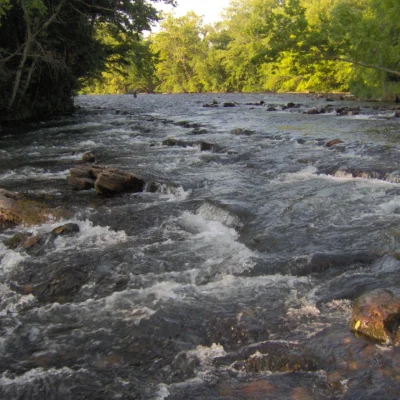
Riparian forest: Riverwoods protects mature bottomland forest along the Harpeth River — one of Middle Tennessee’s most scenic and ecologically important streams. Pro tip: The Harpeth River is one of the few rivers in Tennessee where river otters have successfully recovered. Narrows of the Harpeth: The nearby Narrows — where the river curves 5 miles through a narrow ridge — is a geological wonder and popular paddling destination.
Best Time to Visit
Spring: Wildflowers and river paddling. Summer: Tubing the Harpeth. Fall: River corridor foliage. Winter: Eagle and otter watching.

🐾 Dogs & Pets at Riverwoods State Natural Area
- Pets allowed? statewide rule
- Dogs, cats and other pets are permitted in Tennessee State Parks, including all campgrounds, if leashed, crated or otherwise under physical restrictive control at all times.
- Leash rule statewide rule
- 6 ft physical leash required; pets must not be left unattended
- Beaches & swim areas statewide rule
- Pets are prohibited on designated swimming beaches and at pools at all times
- Cabins & lodging statewide rule
- Pets prohibited in park lodges and cabins except designated pet-friendly units; each park offers a limited number of pet-friendly lodge rooms and one pet-friendly cabin ($20 per pet per night)
- Pet fees statewide rule
- No day-use or campground pet fee; $20 per pet per night in designated lodge rooms/cabins
- Statewide exceptions statewide rule
- Park management may post additional no-pet areas on trails; proof of rabies vaccination may be required
Are dogs allowed at Riverwoods State Natural Area?
Dogs, cats and other pets are permitted in Tennessee State Parks, including all campgrounds, if leashed, crated or otherwise under physical restrictive control at all times. Individual parks can post stricter rules — check signage on arrival.
Rules verified July 2026 via tnstateparks.com. More: Tennessee state parks guide · Dog rules in all 50 states compared
Park Location
Plan your gear for Riverwoods State Natural Area
From our editorial guides, matched to this park’s activities:



Top Tours & Activities Near Memphis
 from $69
 from $365
 from $26