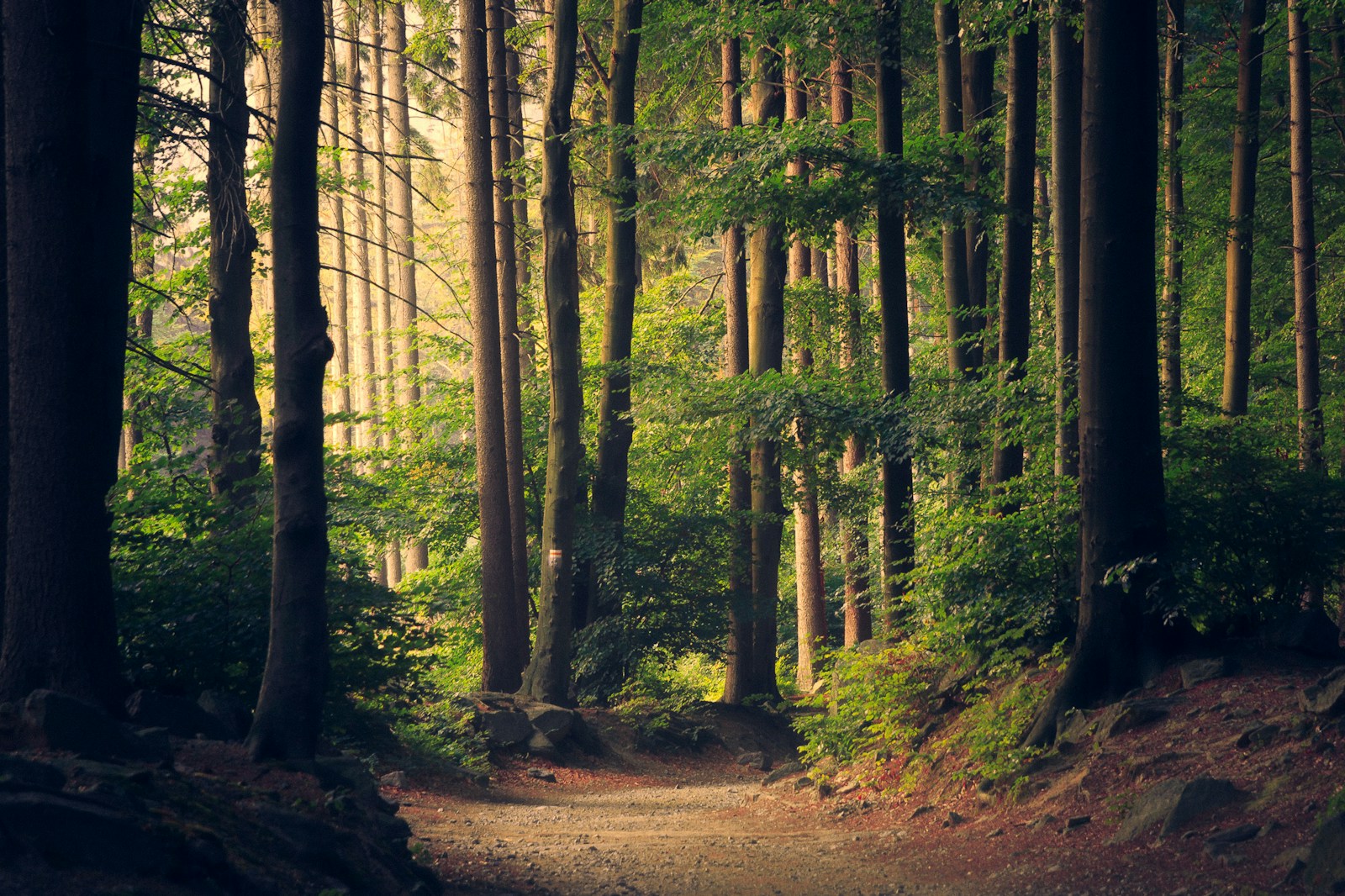
Sculptured Rocks Natural Area
🏆 Researched by State Park Experts — Based on NH Division of Parks and Recreation data and verified visitor experiences at this 272-acre glacial gorge preserve
The Cockermouth River doesn’t look like much upstream—a modest New Hampshire waterway threading through second-growth forest, lined with hemlocks and birches, unremarkable by granite state standards. But where the river meets a narrow band of exposed schist bedrock in the hills above Groton, something extraordinary has been happening for 10,000 years. Water, sand, and time have carved the stone into a gallery of swirling potholes, sinuous channels, and polished sculpture that looks less like geology and more like the work of an abstract artist with infinite patience.
Sculptured Rocks Natural Area protects 272 acres of forest and the short but stunning gorge where this geological performance plays out. The site is tiny compared to New Hampshire’s flagship state parks, and that’s precisely its charm—you can walk from the gravel parking lot to formations that rival anything in the White Mountains in under five minutes, swim in crystal-clear potholes on a hot summer afternoon, and have the entire place to yourself on a weekday morning. If you’ve only got two hours between hikes, this is the detour you didn’t know you needed.
Sometimes called the “Little Grand Canyon of New Hampshire”—a dramatic name for a modest-sized gorge—Sculptured Rocks has been drawing visitors since its establishment as a natural area in 1935. The appeal hasn’t changed: water has sculpted stone into forms that defy easy description, and the result is one of New England’s most photogenic geological curiosities.
Geology: 10,000 Years of Water and Stone
The formations at Sculptured Rocks are a masterclass in fluvial erosion—the slow, relentless power of water acting on bedrock over geological time. The process began approximately 10,000 years ago, as the last glacial ice sheet retreated northward and left the Cockermouth River to find its course across newly exposed bedrock. The rock here is primarily schist, a metamorphic stone that’s hard enough to resist rapid erosion but contains enough variability in its layered structure to create differential weathering patterns.
As the river flows through the narrow gorge, it carries sand, gravel, and small stones suspended in the current. These abrasive particles act like natural sandpaper, grinding against the bedrock wherever the water slows, eddies, or swirls. The result is potholes—circular depressions carved into the stone by the vortex action of trapped sediment spinning in the current. Some potholes at Sculptured Rocks are several feet deep and remarkably circular, as if bored by a drill. Others have merged into elongated channels or have eroded through their walls to form natural bridges and sculpted passages.
The smooth, flowing contours of the rock give the gorge its name and its surreal beauty. On a sunny day, the polished schist glows with subtle earth tones—iron-stained golds, gray-greens, and deep charcoal blacks—while the river fills every carved depression with pools of water that range from shallow tea-brown to impossibly clear emerald.
Trails & Exploration
Sculptured Rocks is not a hiking destination in the traditional sense—there are no summit climbs or multi-mile loops. The trails here are short, easy, and serve primarily to deliver you to the geological formations along the Cockermouth River. What the area lacks in trail mileage, it more than compensates for in density of visual interest per step.
| Trail Name | Distance | Difficulty | Highlights |
|---|---|---|---|
| Main Gorge Trail | 0.1 mi | Easy | Direct access to sculpted formations, wooden footbridge over river |
| Extended Forest Trail | ~1.0 mi | Easy-Moderate | Continues past gorge through hemlock forest, historic cellar hole |
| Snowmobile Trail Connection | Varies | Moderate | Extended exploration into surrounding forest; multi-use in winter |
From the parking area, a short path drops down to the river and the main sculpted rock formations. A wooden footbridge crosses the Cockermouth River, providing excellent elevated views of the potholes and channels below—this is the money shot for photographers. Beyond the bridge, a rougher trail continues through dense hemlock and hardwood forest, passing a historic cellar hole from a 19th-century homestead before connecting to a broader snowmobile trail network. The entire out-and-back from the parking lot to the cellar hole and back takes roughly 30-45 minutes at a relaxed pace.
The real exploration happens off-trail, on the rocks themselves. When water levels are low (typically mid-summer through fall), you can carefully pick your way along the exposed bedrock, peering into potholes, tracing the sinuous channels carved by millennia of flowing water, and finding your own private perch above the pools. Exercise caution: the rock is slippery when wet, and the transition from dry stone to algae-covered stone near the waterline can be abrupt and treacherous.
📸 Photography Guide: Sculptured Rocks
• Best Light: Early morning and late afternoon when sunlight angles into the gorge, creating dramatic shadows in the potholes and warmth on the polished stone.
• Equipment: Wide-angle lens (16-35mm) for gorge context; macro lens for rock textures and water patterns. Polarizing filter essential to cut glare on wet rock and see through water into potholes.
• Technique: Slow shutter speeds (1/4s to 2s) with a tripod turn the flowing water into silk while keeping the sculptured stone sharp. Visit after rain for maximum water flow and drama.
• Tip: The footbridge provides the best elevated vantage point. For intimate compositions, descend to river level and shoot upward through the channels.
Swimming: New Hampshire’s Hidden Swimming Hole
On a hot July afternoon, Sculptured Rocks transforms from a geological curiosity into one of the most atmospheric swimming holes in New England. The river-carved potholes create natural pools of varying depths, and the polished rock provides smooth, if slippery, surfaces for sunbathing between dips. The water is classic New Hampshire mountain river—cold enough to take your breath away on entry, refreshing enough to keep you coming back.
Some visitors jump from the gorge walls into the deeper pools, but this carries real risk: water levels vary dramatically with recent rainfall, submerged ledges may be hidden, and the smooth rock offers zero grip if you slip on the approach. Swimming is safest during low-water conditions when pool depths are more visible and currents are manageable. There are no lifeguards, no posted depth markers, and no safety infrastructure—this is wild swimming in the truest sense.
If you’re looking for a safe and scenic swimming experience, wade into the shallower pools and enjoy the sensation of sitting in a pothole carved over 10,000 years of patient erosion. Pack water shoes with good grip—the rocks are beautiful but unforgiving when wet.
Wildlife & Nature
The 272-acre natural area protects a mature forest ecosystem of eastern hemlock, white pine, northern hardwoods, and birch. While visitors come primarily for the geology, the forest and river corridor support a quiet community of wildlife typical of New Hampshire’s central highlands.
| Species | Best Season | Where to Look |
|---|---|---|
| 🐦 Wood Thrush | May-Aug | Dense forest near trail; listen for flute-like song at dawn |
| 🐦 Belted Kingfisher | Spring-Fall | Along river, perched above pools watching for fish |
| 🦎 Eastern Red-backed Salamander | Spring & Fall | Under rocks and logs in moist forest areas |
| 🐿️ Red Squirrel | Year-round | Hemlock groves near parking area |
| 🦌 White-tailed Deer | Year-round | Forest edges, most visible at dawn/dusk |
| 🐻 Black Bear | Spring-Fall | Rare sighting; store food properly |
In autumn, the surrounding hardwood forest puts on one of New Hampshire’s quieter but deeply satisfying foliage displays. The gorge’s stone walls frame golden and crimson canopy reflections in the still pools below—a scene that has launched thousands of Instagram posts but somehow still feels undiscovered.
Seasonal Guide
| Season | Weather | Crowds | Best For |
|---|---|---|---|
| 🌸 Spring (Apr-May) | 40-65°F, high water | Low | Dramatic water flow through gorge, waterfall energy, wildflowers |
| ☀️ Summer (Jun-Aug) | 70-85°F | Moderate-High | Swimming, warm-weather exploration, best pothole visibility |
| 🍂 Fall (Sep-Oct) | 45-65°F | Moderate | Fall foliage, photography, low water reveals rock detail |
| ❄️ Winter (Nov-Mar) | 15-35°F, ice | Very Low | Solitude, ice formations on rocks, snowshoeing nearby trails |
Summer is prime time for the full Sculptured Rocks experience: swimming in the potholes, warm rock for lounging, and the best visibility into the carved formations when water levels drop. Spring is dramatically different—the Cockermouth River runs high and fast after snowmelt, and the gorge fills with the sound and force of rushing water that makes the erosion process viscerally real. Fall combines low water (maximum rock exposure) with foliage that frames the gorge in gold and red. Winter visits reward the adventurous with ice formations and absolute solitude, but trails may be icy and ungroomed.
Visitor Information
| Detail | Information |
|---|---|
| Location | Sculptured Rocks Road, Groton, NH 03241 |
| Phone | 603-227-8400 (NH State Parks) |
| Admission | Free (self-pay Iron Ranger may be available) |
| Parking | Small gravel lot (fills quickly on summer weekends) |
| Facilities | Minimal — no restrooms, no water, carry-in/carry-out |
| Pets | Allowed on leash |
| Nearest Town | Hebron, NH (~10 min); Plymouth, NH (~25 min) |
Budget Planning
| Expense | Cost | Notes |
|---|---|---|
| Admission | Free | Donations appreciated |
| Parking | Free | Limited gravel lot |
| Nearby Camping | $25-35/night | Wellington State Park or private campgrounds |
| Total Day Trip | $0 | One of NH’s best free attractions |
Safety & Hazards
| Hazard | Risk Level | Prevention |
|---|---|---|
| 🪨 Slippery Rocks | High | Wear shoes with excellent grip; never run on wet stone |
| 🌊 Variable Water Levels | Moderate-High | Don’t swim after heavy rain; check river conditions before jumping |
| 🤿 Hidden Submerged Ledges | Moderate | Never dive headfirst; test depth before jumping |
| 🦟 Mosquitoes/Black Flies | High (May-June) | Bring DEET-based repellent; worst at dawn/dusk in spring |
Nearby Attractions
Sculptured Rocks sits in a corner of New Hampshire’s Lakes Region that rewards exploration. Newfound Lake—fed by the Cockermouth River downstream—is one of the cleanest lakes in the state and offers swimming beaches, kayaking, and lakeside dining in the towns of Hebron and Bristol. Wellington State Park, just 15 minutes south on Newfound Lake, has the largest freshwater swimming beach in the New Hampshire state park system. For hikers looking to add elevation, Cardigan Mountain (3,155 ft) offers a moderate summit hike with panoramic views about 30 minutes northwest. And Franconia Notch State Park, 45 minutes north via I-93, delivers world-class White Mountain scenery for those building a multi-day itinerary.
Frequently Asked Questions
Is there an entrance fee for Sculptured Rocks?
No—Sculptured Rocks Natural Area is free to visit. A self-pay “Iron Ranger” station may be available for voluntary contributions, but there is no mandatory admission fee. This makes it one of the best free natural attractions in New Hampshire.
Can I swim at Sculptured Rocks?
Yes, swimming is allowed and is one of the area’s main attractions during summer. The river-carved potholes create natural pools, though there are no lifeguards or safety infrastructure. Swim only during low-water conditions, wear water shoes with good grip, and never dive headfirst into pools without checking depth first. The rocks are extremely slippery when wet.
How long does it take to visit Sculptured Rocks?
A quick visit to see the main rock formations takes about 20-30 minutes. If you plan to swim, explore the extended trail to the cellar hole, and take photographs, allow 1-2 hours. The short walk from the parking lot to the gorge is less than 0.1 miles.
Is Sculptured Rocks good for kids?
The short trail and fascinating rock formations make this an excellent destination for curious children. However, close supervision is essential—the slippery rocks and variable water depths present real hazards for small children. Keep children away from the gorge edges and deeper pools, and ensure everyone wears appropriate footwear.
When is the best time to visit Sculptured Rocks?
Summer (June-August) is the most popular time, offering warm weather for swimming and the best visibility of the carved rock formations when water levels are low. Fall provides beautiful foliage framing the gorge. Spring offers dramatic high-water conditions that showcase the erosive power that created the formations. Visit on weekday mornings to avoid the summer weekend crowds that quickly fill the small parking lot.
Are there restrooms at Sculptured Rocks?
No—the natural area has no restroom facilities, no running water, and no trash receptacles. Plan accordingly and follow the carry-in, carry-out policy. The nearest public facilities are in Hebron or Plymouth.
Can I bring my dog to Sculptured Rocks?
Yes, dogs are allowed but must be kept on a leash at all times. Be mindful of other visitors on the narrow trails and near the swimming areas. Clean up after your pet and pack out all waste.
Is there camping at Sculptured Rocks?
No—there are no camping facilities within Sculptured Rocks Natural Area. The nearest state park camping is at Wellington State Park on Newfound Lake, about 15 minutes south. Several private campgrounds also operate in the Groton/Hebron area.
🪨 Discover 10,000 Years of Water Art
Sculptured Rocks Natural Area proves that you don’t need a summit or a waterfall to find New Hampshire magic—sometimes, you just need a river, a canyon, and 10,000 years of patience.