Seven Lakes State Park
Overview: Six Lakes Born from a Failed Development
Spread across 1,434 acres of rolling, glacially sculpted terrain in Holly Township, Oakland County, Seven Lakes State Park offers over 230 acres of water distributed among six named lakes—the result of one of the more unusual origin stories in the Michigan state park system. In the 1960s, a private developer constructed a dam to merge seven small lakes into a single large recreational lake as the centerpiece of a planned housing development. The project failed financially, the state acquired the land, and the park opened to the public in 1977. Today, the developer’s ambitious but doomed vision has become one of the most attractive day-use and fishing parks in the Metro Detroit area.
Located just northwest of the village of Holly and approximately 50 miles north of downtown Detroit, Seven Lakes provides an accessible outdoor escape for the millions of residents in Oakland, Genesee, and Livingston Counties. The park’s combination of a designated swimming beach on Big Seven Lake, 7 miles of hiking and mountain biking trails, multiple boat launches, and a campground at Sand Lake delivers a diverse recreation package that keeps visitors returning throughout the season.
The Lakes
The park’s namesake lakes vary in size and character, creating a range of water-based recreation opportunities.
- Big Seven Lake: The largest lake, created by the developer’s dam, serves as the park’s primary recreation water. The designated swimming beach, beach house, and main boat launch are located here. Fishing for largemouth bass, northern pike, walleye, perch, and catfish is productive throughout the season.
- Little Seven Lake: A smaller, quieter lake connected to Big Seven, popular with bank anglers and kayakers.
- Dickinson Lake: A scenic inland lake surrounded by forest, accessible via the trail system. The Dickinson Lake area offers a more secluded, contemplative experience.
- Sand Lake: Home to the park’s campground, Sand Lake provides a quieter camping-and-fishing combination away from the busier day-use zones.
The Swimming Beach
Big Seven Lake’s designated swimming area features a buoyed swimming zone, a beach house with modern restrooms and changing facilities, and adjacent picnic areas. The beach is the park’s primary summer draw, filling with families on warm weekend afternoons. The water is typical of Michigan inland lakes—dark-tinted, warm, and comfortable for swimming from late June through early September.
7 Miles of Trails
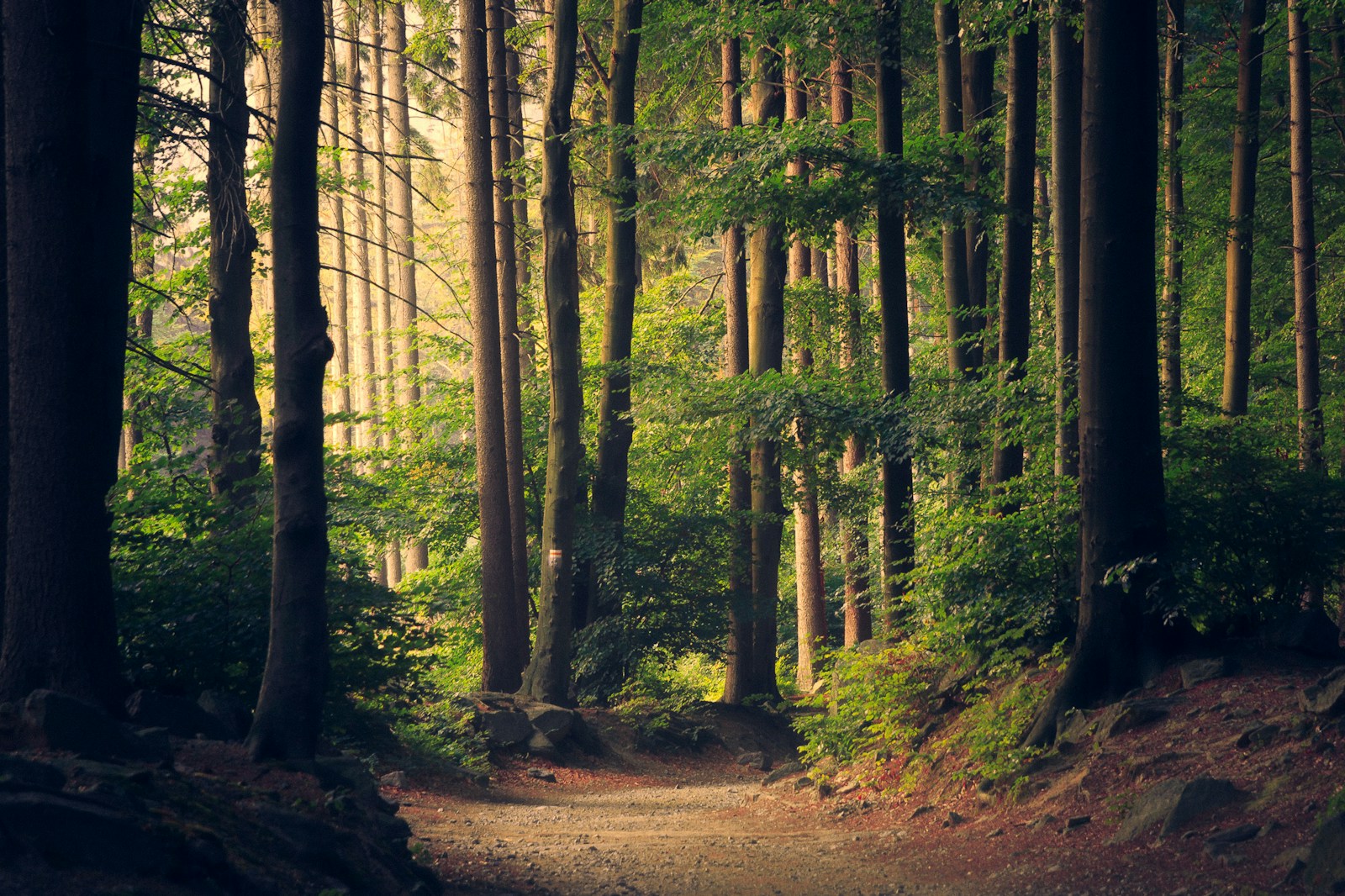
The trail system offers hiking and mountain biking through the park’s varied terrain of rolling hills, forest, meadow, and restored prairie.
- Green Trail Loop (2.25 mi): Connects the three largest lakes, providing water views and varied terrain. The most popular hiking route.
- Red Trail Loop: A longer circuit through the park’s interior, with more elevation change and fewer water views.
- Nature Trail / Dickinson Loop: A quieter, hiking-only trail (no bikes) circling Dickinson Lake through mature forest. The best option for wildlife observation and solitude.
Restored Prairie
Several areas of the park feature restored prairie grassland—open, sun-drenched meadows of native grasses and wildflowers maintained through periodic prescribed burning. These prairies add visual variety to the predominantly forested landscape and support butterflies, native bees, grassland birds, and wildflower displays that peak in mid-summer.
Camping at Sand Lake
The campground is located at Sand Lake, separated from the main day-use area and offering a quieter camping environment with direct lake access for fishing and paddling. Sites accommodate tents, pop-ups, and small trailers.
Seasonal Guide
Spring (April–May)
Trails dry out. Wildflowers in the forest understory. Fishing season opens. Prairie burns may be conducted.
Summer (June–August)
Peak season. Swimming beach operational. Fishing, paddling, and mountain biking at their best.
Autumn (September–October)
Fall color on the rolling hills. Fewer visitors. Trail conditions excellent. Fishing remains productive.
Winter (December–March)
Cross-country skiing when snow cover permits. Ice fishing on the lakes. Hunting in designated areas during season.
Frequently Asked Questions
Why is it called Seven Lakes if there are only six? A developer in the 1960s built a dam to merge seven small lakes into one larger body of water (Big Seven Lake). The project failed, the state acquired the land, and the combined lake retained the name—though the original seven individual lakes no longer exist as separate bodies.
Can I mountain bike here? Yes, on most trails. The Nature Trail/Dickinson Loop is hiking-only. The rolling terrain provides moderate challenge with some fun elevation changes.
Is there camping? Yes, at Sand Lake campground, which offers a quieter setting away from the main day-use beach area.