🌤 Weather at Snakeden Hollow State Fish and Wildlife Area by season
| Spring | Summer | Fall | Winter |
|---|---|---|---|
| 26–72 °F | 59–83 °F | 28–76 °F | 13–35 °F |
Each range runs from the coldest monthly average low to the warmest monthly average high in that season (1991-2020 climate normals), measured at Altona, 8 mi away, elevation 765 ft. Conditions at the park can differ from the station, especially where elevation differs — check a forecast before you go.

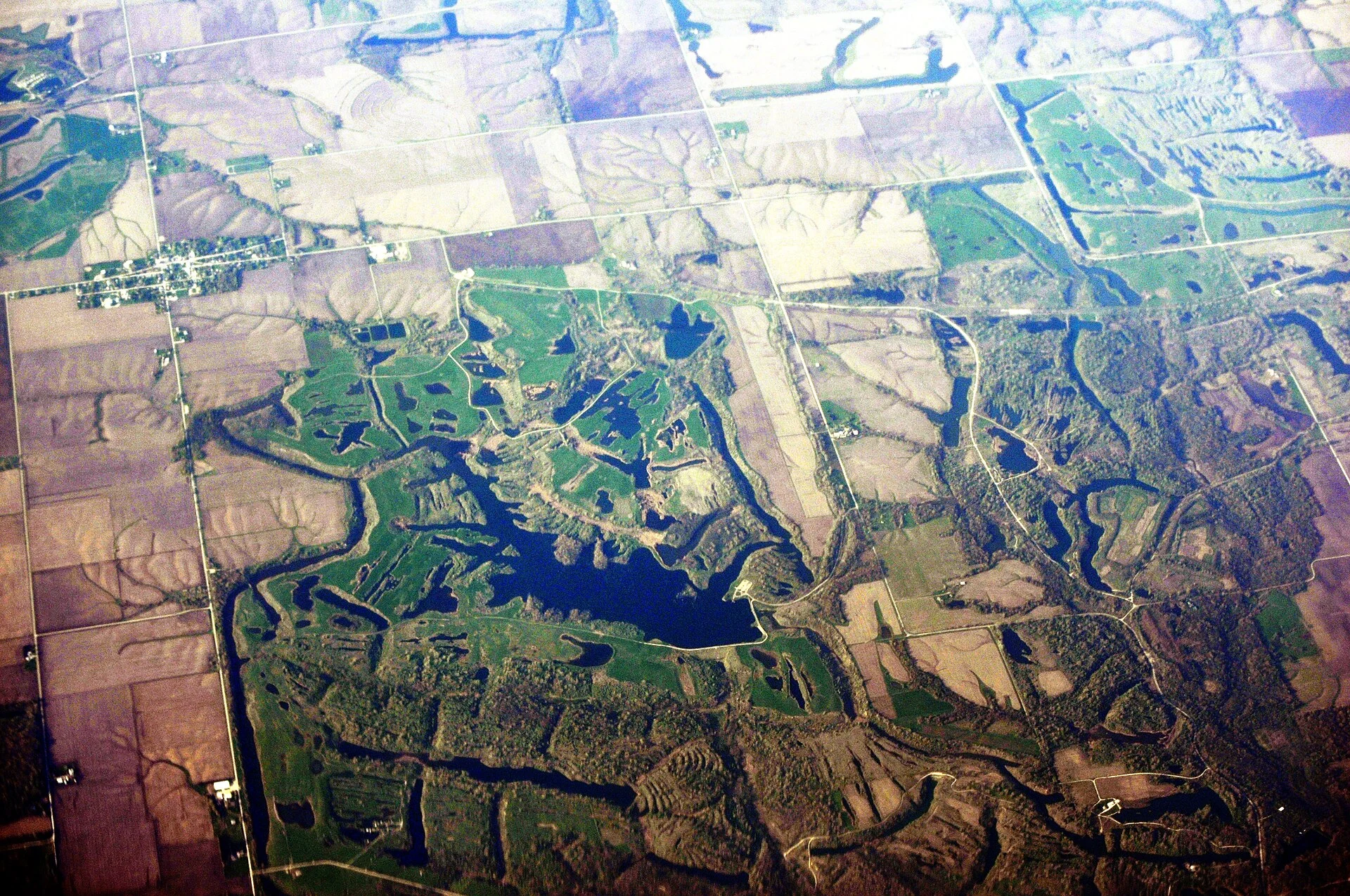
Rising from the reclaimed landscape of a former coal strip mine, Snakeden Hollow State Fish and Wildlife Area spreads across 2,500 acres of grassland, wetland, and scattered timber near Victoria in Knox County. Acquired by the State of Illinois in 1987, the site was transformed through an extensive reclamation partnership with the Soil Conservation Service, converting scarred mining terrain into one of west-central Illinois’ most productive wildlife habitats and a premier destination for waterfowl hunting.
Landscape and Habitat
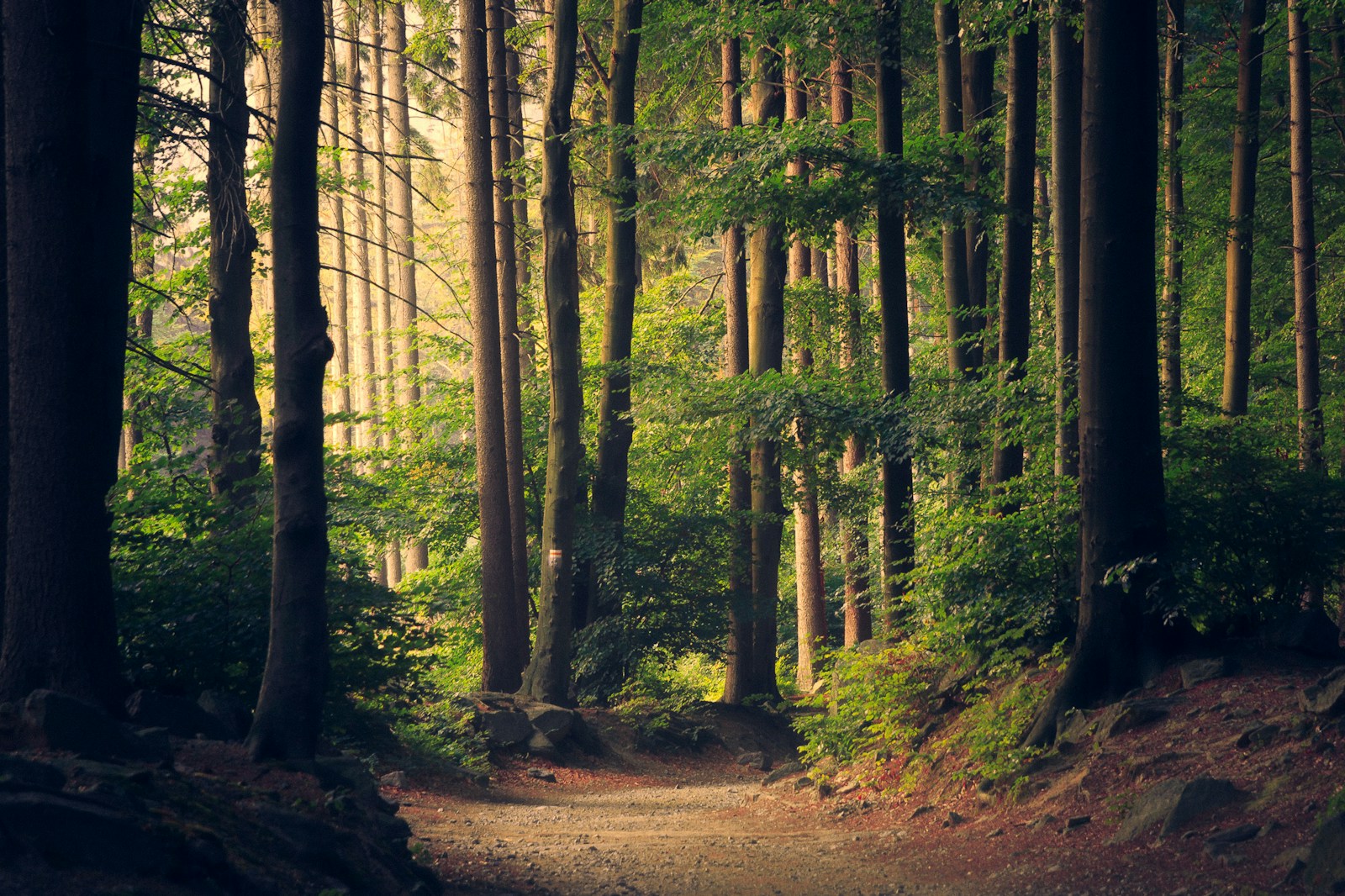
The legacy of surface mining created an unusual landscape: more than 125 water impoundments totaling approximately 400 acres dot the property, ranging from small potholes to sizable lakes. These pools are interspersed with rolling grasslands, wetland margins, and patches of planted timber. The resulting mosaic of open water, emergent vegetation, and upland cover provides exceptional habitat diversity — supporting everything from nesting waterfowl and shorebirds to grassland-dependent species like northern harriers, short-eared owls, and bobolinks.
Waterfowl Hunting
Snakeden Hollow is best known as a premier Canada goose hunting destination. Hunting is conducted from designated blind sites on a permit-only basis. A Daily Usage Stamp ($15 for hunters 16 and older) is required. Waterfowl hunting hours typically end at 1:00 p.m. Non-toxic shot is mandatory throughout the site. Hunters must register at the check station, sign in, and sign out for each hunt. The area closes to all general public use — except permitted archery deer hunting — for two weeks before the Central Zone goose season through its close, reflecting the site’s primary management focus.
Deer and Upland Hunting
Archery deer hunting is available by permit with site-specific restrictions. Dove hunting is also permitted during the appropriate seasons. The mix of grassland, timber edges, and water features creates quality habitat for both species. All hunters should consult current IDNR regulations and the Snakeden Hollow hunter fact sheet, as the site’s rules regarding access, seasons, and permits are more detailed than at many other state sites.
Wildlife Viewing and Non-Hunting Use
Outside of the hunting-season closure period, Snakeden Hollow offers outstanding birding opportunities. The grasslands host breeding dickcissels, grasshopper sparrows, and ring-necked pheasants, while the numerous ponds attract migrating shorebirds, herons, and egrets. Spring and fall migration periods are particularly productive for birdwatchers. Hiking is permitted on existing roads and trails when the site is open to public use.
Visitor Information
Snakeden Hollow State Fish and Wildlife Area is located at 1936 State Route 167, Victoria, IL 61485. The site office can be reached at (309) 879-2607. Visitors should check current access status before arriving, as the site is closed to general public use during portions of the waterfowl hunting season. Admission is free.
Wildlife & Nature
Snakeden Hollow State Fish and Wildlife Area — 2,500 acres in Knox County — demonstrates the ecological potential of reclaimed strip mine land. Once barren coal spoil banks, the area has been transformed through strategic reclamation into a mosaic of grasslands, wetlands, young forest, and lakes that support diverse wildlife. The area is particularly important for grassland birds — a guild that has declined more than any other North American bird group. Northern harriers patrol the grasslands with their distinctive low, tilting flight. Short-eared owls — increasingly rare grassland specialists — winter here. Dickcissel and grasshopper sparrows breed in the restored grasslands. The reclaimed ponds support largemouth bass, bluegill, and channel catfish. Ring-necked pheasants — introduced from Asia — persist in the grasslands.
Nearby Attractions
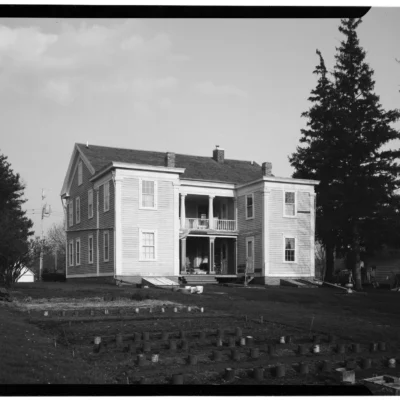
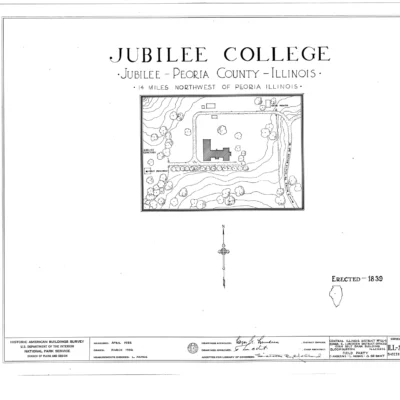
Galesburg — birthplace of Carl Sandburg and site of a Lincoln-Douglas debate (October 7, 1858). Carl Sandburg State Historic Site preserves his birthplace cottage. Knox College — where the debate was held. Bishop Hill — a 19th-century Swedish utopian colony now a state historic site. Lake Storey provides recreation. Spoon River valley inspired Edgar Lee Masters’ “Spoon River Anthology.” Jubilee College State Park is east near Peoria.
Insider Tips
Reclaimed mines: Snakeden Hollow was created from strip-mined land — now reclaimed into productive wildlife habitat. Pro tip: The area offers some of the best upland bird hunting in central Illinois. Conservation success: Illinois has transformed thousands of acres of former strip mines into thriving Fish and Wildlife Areas.
Best Time to Visit
Fall: Upland game hunting season. Spring: Turkey hunting and birding. Summer: Fishing. Winter: Wildlife observation.
Frequently Asked Questions
What is strip mine reclamation?
Strip mine reclamation transforms abandoned coal mining land into productive wildlife habitat. In Illinois, thousands of acres of former strip mines have been reclaimed — re-graded, planted with native grasses and trees, and managed as Fish and Wildlife Areas. The result is surprisingly diverse habitat that supports upland birds, waterfowl, deer, and many other species.
Nearby parks: If you have extra time, Bishop Hill State Historic Site is a short drive away, and Carl Sandburg State Historic Site is within about an hour’s drive.

🐾 Dogs & Pets at Snakeden Hollow State Fish and Wildlife Area
- Pets allowed? statewide rule
- Pets are allowed in Illinois state parks and on trails as long as they are leashed at all times.
- Leash rule statewide rule
- Leash required at all times; state code caps leash length at 10 feet
- Beaches & swim areas statewide rule
- Pets are prohibited in areas posted 'NO PETS', reserved for beach areas, concession areas and crowded campground/picnic areas (e.g. no dogs on the beach at Illinois Beach State Park)
- Cabins & lodging statewide rule
- Pets are not allowed in campground cabins
- Statewide exceptions statewide rule
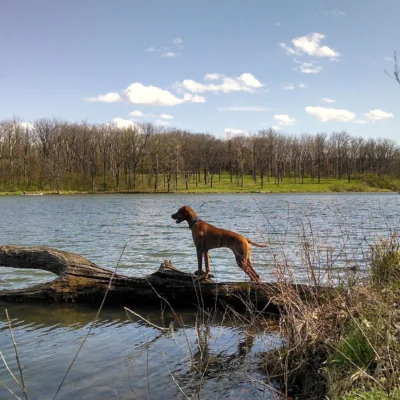
- Leash rule exceptions for hunting dogs, field trials and dog training areas; pets must not be left unattended
Are dogs allowed at Snakeden Hollow State Fish and Wildlife Area?
Pets are allowed in Illinois state parks and on trails as long as they are leashed at all times. Individual parks can post stricter rules — check signage on arrival.
Rules verified July 2026 via dnr.illinois.gov. More: Illinois state parks guide · Dog rules in all 50 states compared
Park Location
Plan your gear for Snakeden Hollow State Fish and Wildlife Area
From our editorial guides, matched to this park’s activities: