Snyder-Middleswarth State Park
Hidden deep within the expansive Bald Eagle State Forest in Pennsylvania, the Snyder-Middleswarth Natural Area represents a living museum of the state’s ancient ecological history. Originally established as a full-fledged State Park on April 12, 1921, this 500-acre tract was later reclassified as a Natural Area to prioritize the preservation of its breathtaking, primeval landscape. Today, it stands as a designated National Natural Landmark and an essential sanctuary for towering old-growth timber.
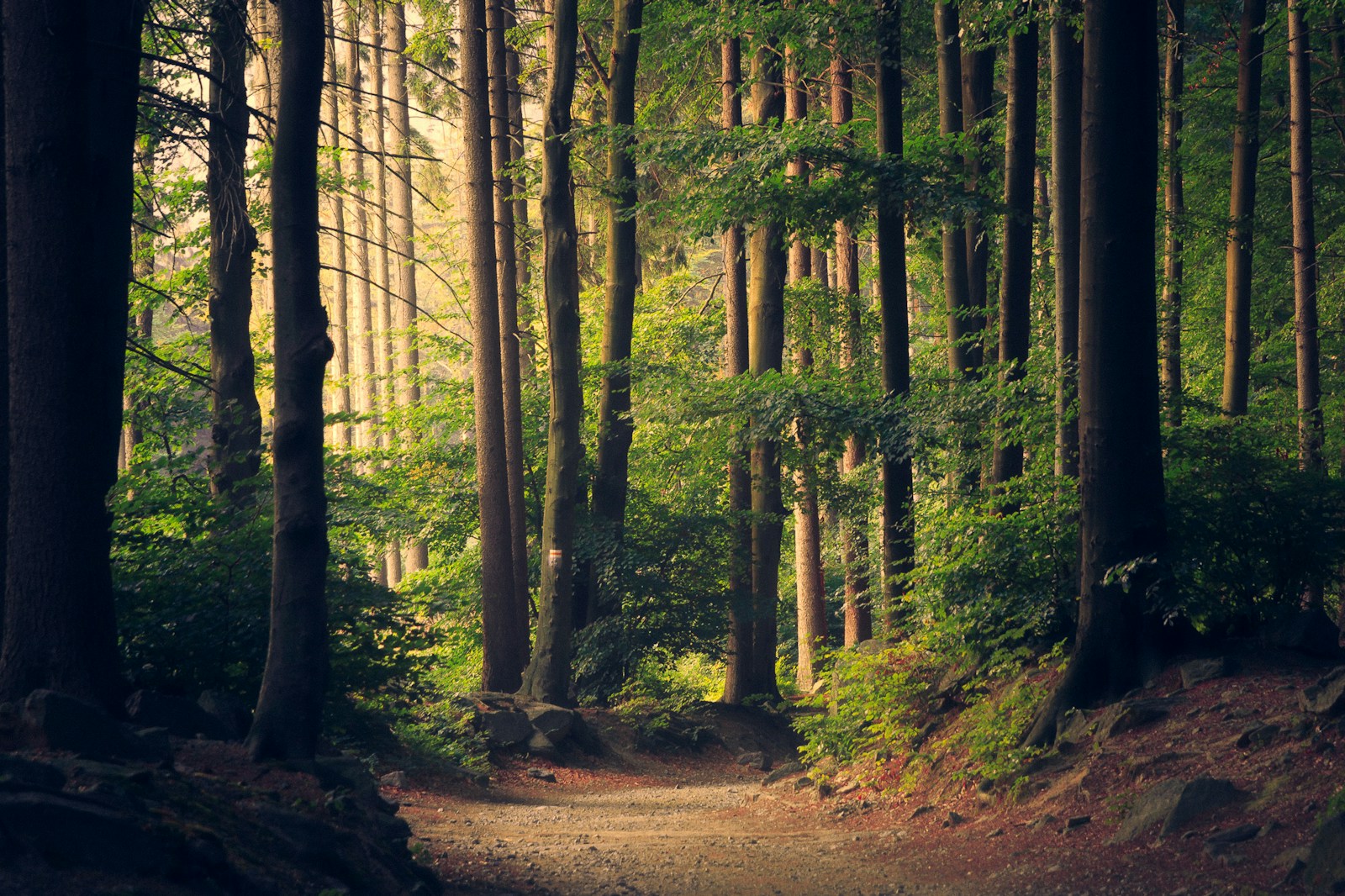
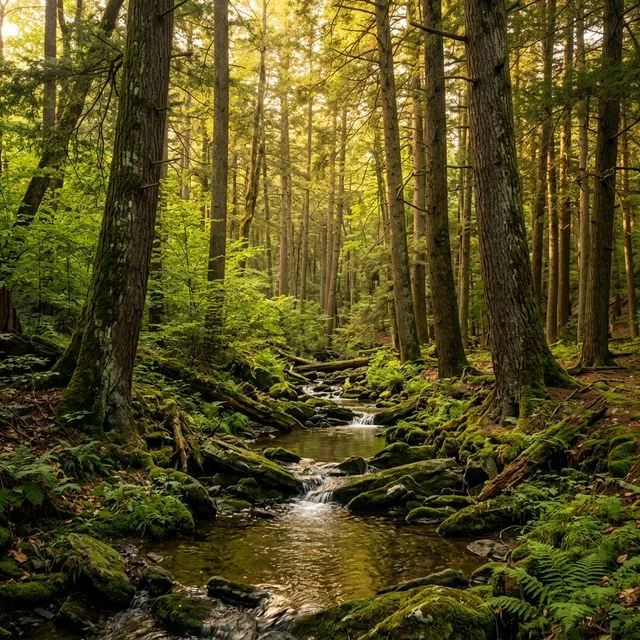
For visitors seeking unvarnished, rugged nature, Snyder-Middleswarth provides a deeply immersive experience. Located just five miles west of Troxelville in Snyder County, the area promises an atmosphere of profound quiet and isolation. The centerpiece of this preserve is a magnificent 250-acre stand of ancient hemlock, white pine, pitch pine, and various hardwoods, some towering over 150 feet high and surviving for up to four centuries. Exploring this woodland, accompanied only by the sounds of the babbling Swift Run that cuts through the valley, makes for a truly unforgettable journey into Pennsylvania’s wild past.
Note: Because it is managed strictly as a Natural Area, facilities here are minimal by design. The focus is entirely on low-impact recreation and preserving the fragile, ancient forest ecosystem.
Rich Wildlife and Expansive Habitats
The ecological significance of the Snyder-Middleswarth Natural Area comes directly from its old-growth character. These ancient forests create a highly specialized microclimate—cool, damp, and deeply shaded—that supports unique flora and fauna not found in younger woods. While the recent impact of the invasive hemlock woolly adelgid has sadly affected the canopy and altered the forest floor, the area remains incredibly rich in biodiversity and scenic majesty.
| Habitat Type | Approximate Size | Primary Flora & Fauna |
|---|---|---|
| 🌲 Old-Growth Forest | 250 acres | Ancient Hemlock, White Pine, Pitch Pine, diverse hardwoods; woodpeckers, owls, songbirds. |
| 💧 Riparian Corridors | Throughout | Swift Run creek bed lined with mossy rocks, ferns, rhododendrons, and amphibians. |
| 🍂 Mixed Woodlands | 250 acres | Secondary growth supporting deer, turkey, squirrels, and small mammals. |
Key Activities and Recreation
Snyder-Middleswarth is a destination for the purist. You won’t find swimming pools or massive visitor centers here. Instead, the area invites deep contemplation, rugged hiking, and unparalleled opportunities for nature photography and wildlife observation.
| Activity | Details & Highlights |
|---|---|
| 🥾 Hiking | Foot-only trails winding through the ancient timber and alongside Swift Run. |
| 📸 Photography | Capture the dramatic lighting of the old-growth canopy, massive tree trunks, and mossy streams. |
| 🥪 Picnicking | Two rustic picnic areas available: Snyder-Middleswarth Picnic Area and Rock Springs Picnic Area. |
| 🦅 Wildlife Observation | Prime viewing for forest birds, woodland mammals, and diverse insect life among the ancient trees. |
Trail Systems and Hiking
In accordance with its status as a Natural Area, all trails within the 500-acre boundary are strictly designated for foot-traffic only. The trails are deliberately kept rustic to minimize human impact, offering an authentic wilderness walk.
- Snyder-Middleswarth Trail: A moderate trail featuring a 1-mile short loop and a 3 1/3-mile long loop, both originating at the main picnic area.
- Swift Run Trail: A popular, yellow-blazed path that follows the cascading waters of Swift Run deep into the hemlock groves.
- Extended Loops (6-7 miles): Hikers looking for a longer trek can connect the local trails into the adjacent Tall Timbers Natural Area via the Krebs Gap Trail and Thick Mountain Trail.
Be aware that outside the perimeter of the Natural Area, the broader Bald Eagle State Forest provides red-blazed shared-use trails for equestrians and cyclists, as well as purple-blazed trails open to street-legal dual-sport motorcycles (seasonally).
Camping and Accommodation Options
To protect the delicate ancient ecosystems, camping is strictly prohibited within the Natural Area itself. However, the surrounding Bald Eagle State Forest offers excellent primitive camping opportunities for those willing to embrace a rugged experience.
| Campground Area | Management | Type of Sites | Features / Notes |
|---|---|---|---|
| 🏕️ Primitive Motorized Sites (#64, 65, 66) | Bald Eagle State Forest | Car/RV Primitive | Located just south of the natural area; free but requires a permit. Fire ring and picnic table included. |
| 🏕️ Backpack Camping | Bald Eagle State Forest | Primitive/Dispersed | Allowed without a permit for 1 night in the general forest (must be 200ft away from roads and outside the Natural Area). |
Best Times to Visit
| Season | Experience highlights | Important Considerations |
|---|---|---|
| 🌸 Spring (Mar-May) | Rushing waters in Swift Run, blooming wildflowers, and cool, comfortable hiking weather. | Trails can be muddy. Campfire permits are strictly regulated due to spring wildfire season. |
| ☀️ Summer (Jun-Aug) | The deep canopy of the old-growth forest provides excellent, cool shade from the summer heat. | Bring bug spray. The dense canopy makes the forest darker earlier in the evening. |
| 🍂 Fall (Sep-Nov) | Spectacular foliage contrasts with the dark green of the ancient hemlocks and pines. | Hunting is popular in the surrounding state forest; wearing blaze orange is highly recommended. |
| ❄️ Winter (Dec-Feb) | Profound silence. Snow creates a magical, high-contrast landscape against the dark bark of the old pines. | Roads (like Swift Run Road) may not be maintained or easily passable in heavy snow. Be prepared for complete isolation. |
Frequently Asked Questions
Is Snyder-Middleswarth still a State Park?
No, while it was established as a State Park in 1921, its status was changed between 1992 and 1996. It is now classified as a Natural Area within the Bald Eagle State Forest, a designation that provides stricter protections for its old-growth timber.
Do I need to pay an entrance fee?
No. Following the general policy for Pennsylvania DCNR public lands, there are no entrance or day-use parking fees to visit the Snyder-Middleswarth Natural Area.
Can I camp inside the old-growth forest?
No. Camping of any kind is prohibited within the designated boundaries of the Natural Area. However, free motorized primitive campsites and dispersed backpack camping are available in the adjacent Bald Eagle State Forest.
How do I get a permit for the roadside campsites?
The three designated car camping sites (Sites 64, 65, and 66) located south of the area are free, but you must contact the Bald Eagle State Forest District Office directly by phone to secure your mandatory permit.
Is there cell phone service?
Cell phone coverage is highly limited to non-existent in this remote valley. Visitors should download offline maps (like the Purple Lizard map of the area) and inform someone of their plans before venturing out.
What are those yellow paint marks on the trees?
The yellow blazes designate foot-traffic only trails, which comprise all the trails within the Natural Area. If you see red or purple blazes in the surrounding state forest, those indicate shared-use or motorized trails.
Why do some of the large trees look dead or dying?
Unfortunately, the ancient eastern hemlock trees in this area have been severely impacted by the hemlock woolly adelgid, an invasive insect. While this has altered the canopy, the decaying giants still play a crucial ecological role on the forest floor, continuously returning nutrients to the soil.
🌲 Step Back in Time at Snyder-Middleswarth
Escape the crowds and immerse yourself in one of Pennsylvania’s rarest environments. With its towering old-growth timber, the tumbling waters of Swift Run, and a profound sense of isolation, Snyder-Middleswarth Natural Area offers an unrivaled journey into a primeval forest.
📍 Location: Swift Run Rd, Spring Township, PA (approx. 5 miles west of Troxelville)
🌐 Management: PA Department of Conservation & Natural Resources (DCNR)
📞 Information / Permits: (570) 922-3344 (Bald Eagle State Forest Office)
⛺ Camping: Primitive, free car camping nearby (permit required via phone call).