🌤 Weather at Totem Bight State Park by season
| Spring | Summer | Fall | Winter |
|---|---|---|---|
| 32–58 °F | 48–65 °F | 35–59 °F | 31–41 °F |
Each range runs from the coldest monthly average low to the warmest monthly average high in that season (1991-2020 climate normals), measured at Ketchikan 10N, 3 mi away, elevation 295 ft. Conditions at the park can differ from the station, especially where elevation differs — check a forecast before you go.

🎭 Alaska’s Finest Totem Pole Collection — A rainforest walkway through masterfully carved Tlingit and Haida totem poles, a replica 19th-century clan house, and a CCC-era preservation site on the National Register of Historic Places — 10 miles from Ketchikan along the Tongass Narrows
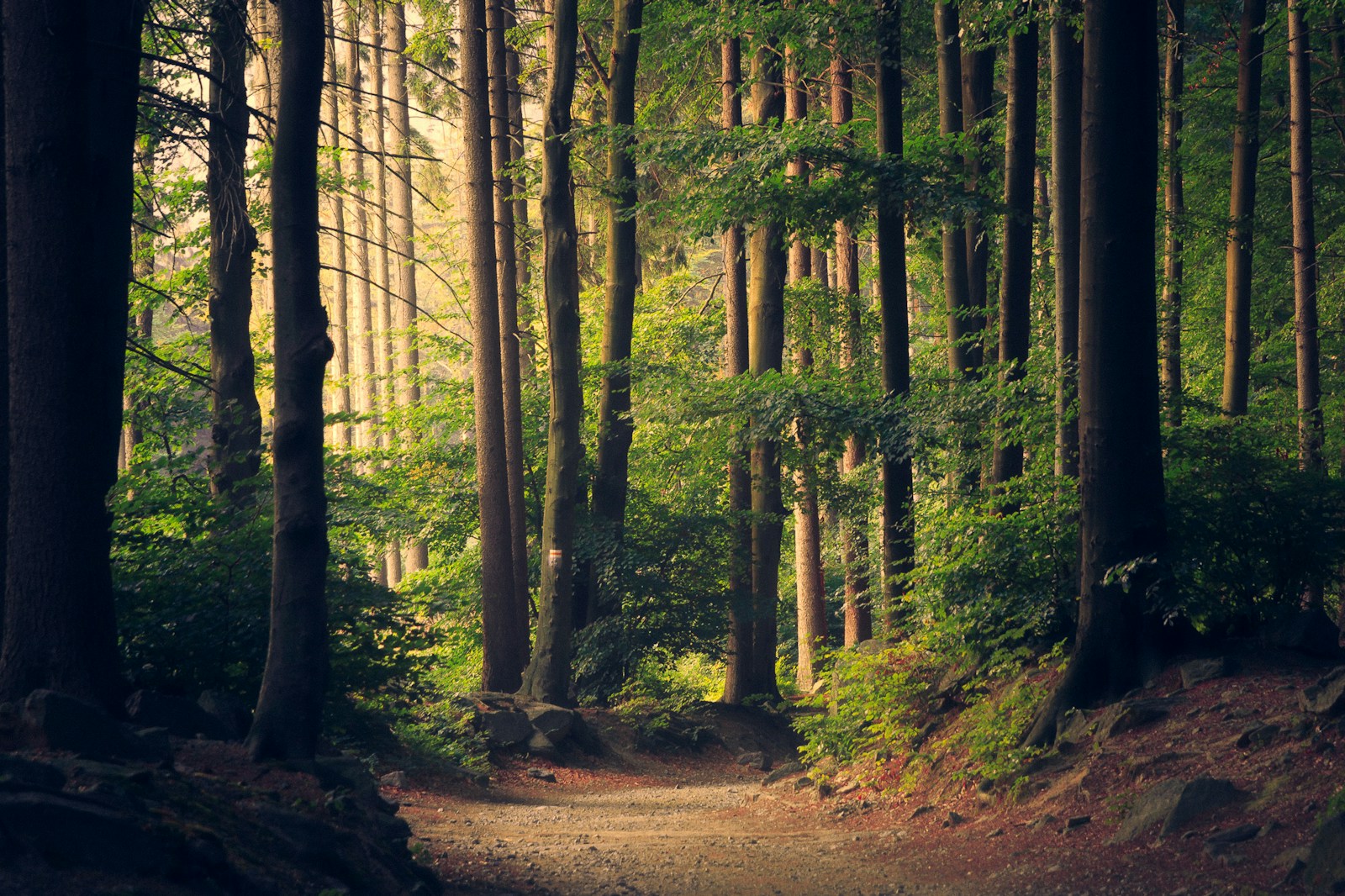
In a clearing within the Tongass National Forest — the largest national forest in the United States — where ancient Sitka spruce and western red cedar tower above a carpet of moss and fern, a collection of towering Tlingit and Haida totem poles stands in a semicircle facing the waters of the Tongass Narrows. Totem Bight State Historical Park preserves one of the finest collections of restored and re-carved totem poles in Southeast Alaska, along with a full-scale replica of a traditional 19th-century clan house — a place where art, culture, history, and the temperate rainforest converge in ways found nowhere else in the United States.
The story behind Totem Bight is one of cultural rescue. In the early 1900s, as Alaska Native populations relocated to communities offering new economic opportunities, the elaborate totem poles that had defined their village sites were left to the relentless decay of the rainforest. Cedar rots. Moss grows. Stories carved in wood disappear. In 1938, the U.S. Forest Service launched a remarkable preservation project — funded through the Civilian Conservation Corps (CCC) — that hired master Tlingit and Haida carvers alongside young apprentices to restore original poles or create faithful replicas before the originals were lost forever.
The Totem Poles
| Feature | Details |
|---|---|
| Collection | 14 restored/re-carved Tlingit and Haida totem poles |
| Materials | Western red cedar — traditional carving wood |
| Carvers | Master Tlingit and Haida artisans (CCC project, 1938) |
| Significance | National Register of Historic Places (1970) |
The Clan House
The park’s replica clan house represents traditional 19th-century Tlingit and Haida architecture. The structure features hand-adzed timbers, a deliberately low and small entrance (historically defensive), a central fire pit, and raised sleeping platforms. A single clan house like this would have sheltered 30 to 50 members of an extended family of the same lineage.
Cultural Significance
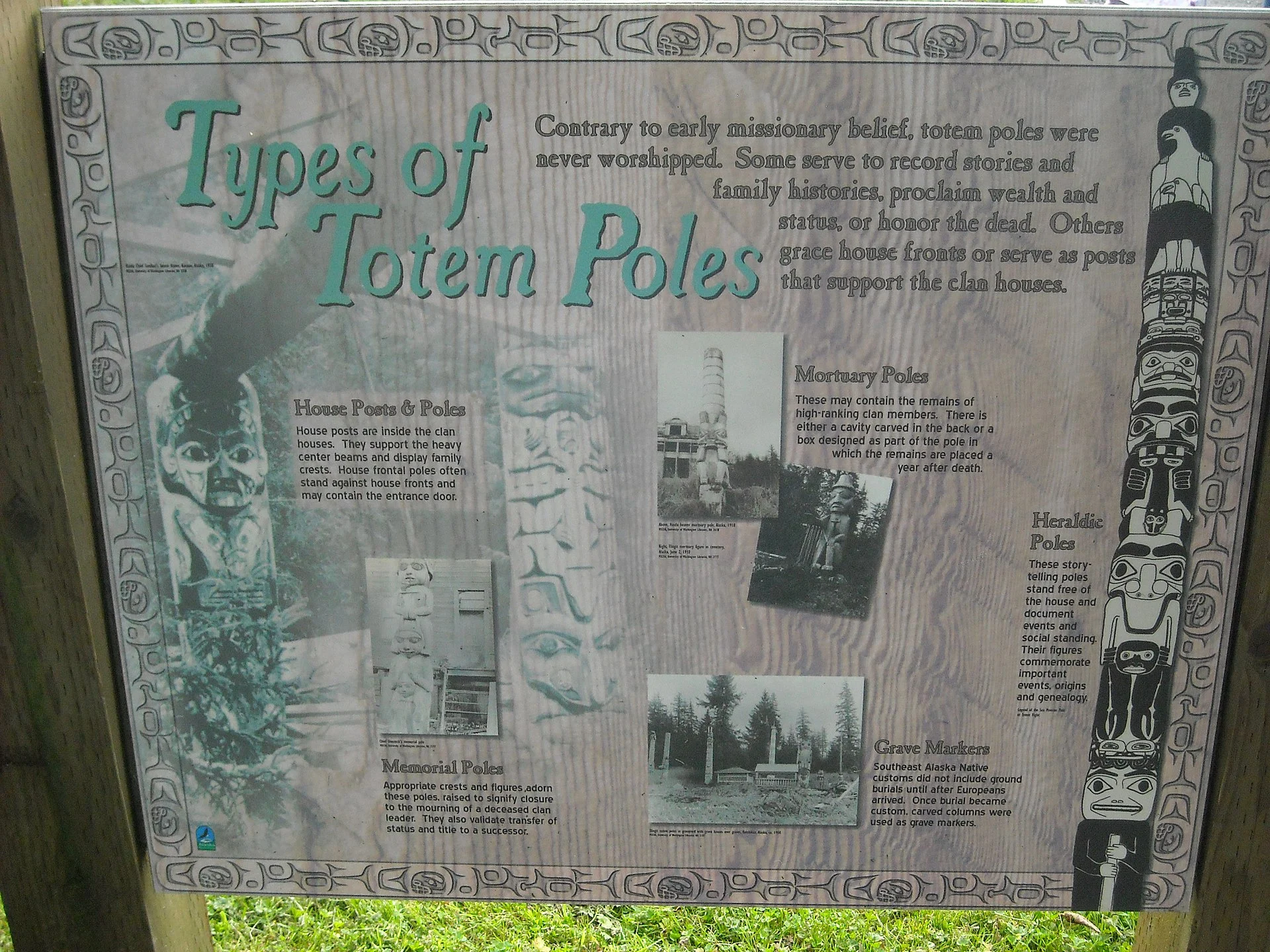
- Totem poles are NOT idols — they record family lineages, tell stories, commemorate events, and display clan crests
- Reading a totem pole: Figures are read from bottom to top; the bottom figure is often the most important
- Clan crests include: Raven, Eagle, Bear, Wolf, Killer Whale, Frog, and others
The Rainforest Setting
The park sits within 11 acres of temperate rainforest — the wettest forest type in North America. Ketchikan receives over 150 inches of rain annually, creating the moss-draped, emerald-green landscape that makes the carved cedar poles even more dramatic. A paved walking trail winds from the parking area through the forest to the totem pole display and clan house.
Essential Visitor Information
| Detail | Information |
|---|---|
| Address | 9883 North Tongass Highway, Ketchikan, AK |
| Hours | 7 AM – 6 PM daily, year-round |
| Fee | $5/person (May 1 – Sep 30); Free off-season |
| Distance from Ketchikan | 10 miles northwest (~20 min drive) |
Wildlife & Nature
Totem Bight SP — features 14 restored totem poles and a replica clan house — representing Tlingit and Haida artistry. The park’s temperate rainforest and Tongass Narrows shore support bald eagles, Sitka black-tailed deer, and harbor seals. The totems were carved by CCC workers in the 1930s-40s to preserve deteriorating 19th-century originals.
Nearby Attractions
Ketchikan — 10 miles south — the “Salmon Capital of the World”. Tongass NF — surrounding. Misty Fjords NM — nearby.
What do the totem poles at Totem Bight represent?
The totem poles at Totem Bight are not religious icons — they are carved cedar records that tell stories, document family lineages, commemorate important events, and display clan crests. Each figure on a pole (Raven, Eagle, Bear, Killer Whale, etc.) represents a clan identity or a character in a traditional story. The poles at Totem Bight were restored or re-carved in 1938 by master Tlingit and Haida carvers as part of a CCC-funded cultural preservation project.
Insider Tips
Tlingit heritage: Totem Bight preserves 14 restored totem poles and a replica clan house representing the artistic traditions of the Tlingit people. Pro tip: The poles were carved during a 1930s CCC program to preserve deteriorating originals from abandoned Tlingit and Haida villages. Free admission: No entrance fee — open year-round.
Best Time to Visit
Summer: Best weather, cruise ship visitors bring cultural programming. Fall: Fewer crowds, salmon spawning in nearby streams. Spring: Rainforest lush. Winter: Dramatic storms, bald eagles.
Frequently Asked Questions
What do totem poles represent?
Tlingit and Haida totem poles tell stories — they commemorate ancestors, record clan histories, and mark important events. They are NOT objects of worship. Each figure on a pole has specific meaning within the clan’s oral tradition. The poles at Totem Bight represent some of the finest examples of Northwest Coast indigenous art.
Nearby state parks: If you have extra time, Refuge Cove State Recreation Site is a short drive away, and Settlers Cove State Recreation Site is a short drive away.

🐾 Dogs & Pets at Totem Bight State Park
- Pets allowed? statewide rule
- Pets are welcome in Alaska State Parks and campgrounds when leashed and accompanied by the owner; unleashed dogs are allowed in the backcountry if under voice control.
- Leash rule statewide rule
- Leash not exceeding 9 feet required in developed facilities (campgrounds, picnic areas, trailheads, swim beaches, boat ramps).
- Beaches & swim areas statewide rule
- No statewide pet ban on beaches; swim beaches count as developed facilities where the 9-foot leash rule applies.
- Statewide exceptions statewide rule
- In the backcountry leashes are not required but pets must remain under voice control; in trapping areas (e.g. Chena River SRA) leashing is strongly advised for dog safety.
Are dogs allowed at Totem Bight State Park?
Pets are welcome in Alaska State Parks and campgrounds when leashed and accompanied by the owner; unleashed dogs are allowed in the backcountry if under voice control. Individual parks can post stricter rules — check signage on arrival.
Rules verified July 2026 via dnr.alaska.gov. More: Alaska state parks guide · Dog rules in all 50 states compared
Park Location
Plan your gear for Totem Bight State Park
From our editorial guides, matched to this park’s activities: