🌤 Weather at Troy Spring State Park by season
| Spring | Summer | Fall | Winter |
|---|---|---|---|
| 47–86 °F | 69–90 °F | 48–87 °F | 40–68 °F |
Each range runs from the coldest monthly average low to the warmest monthly average high in that season (1991-2020 climate normals), measured at Bell 4NW, 13 mi away, elevation 30 ft. Conditions at the park can differ from the station, especially where elevation differs — check a forecast before you go.

💎 Florida’s Deepest Accessible Spring — Crystal-clear first-magnitude spring plunging 70 feet deep, a sunken Civil War steamship, certified-diver paradise, and year-round 72°F turquoise waters on the Suwannee River
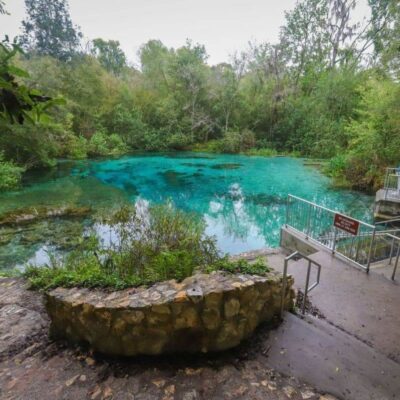
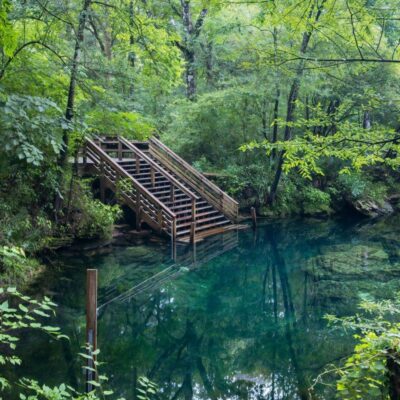
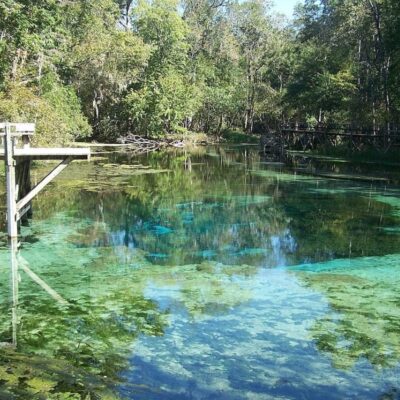
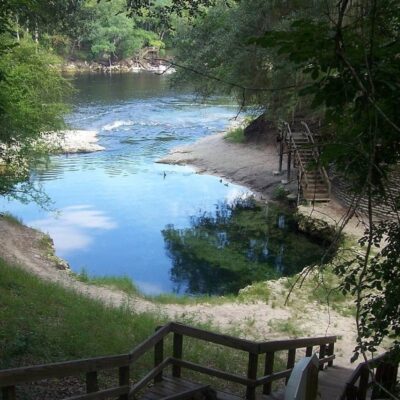
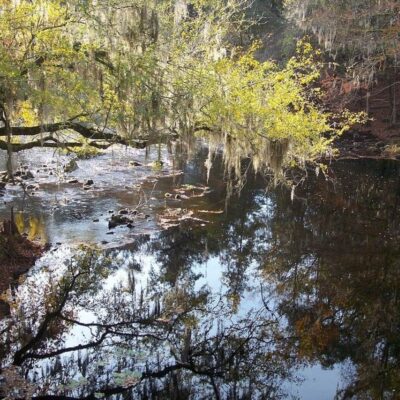
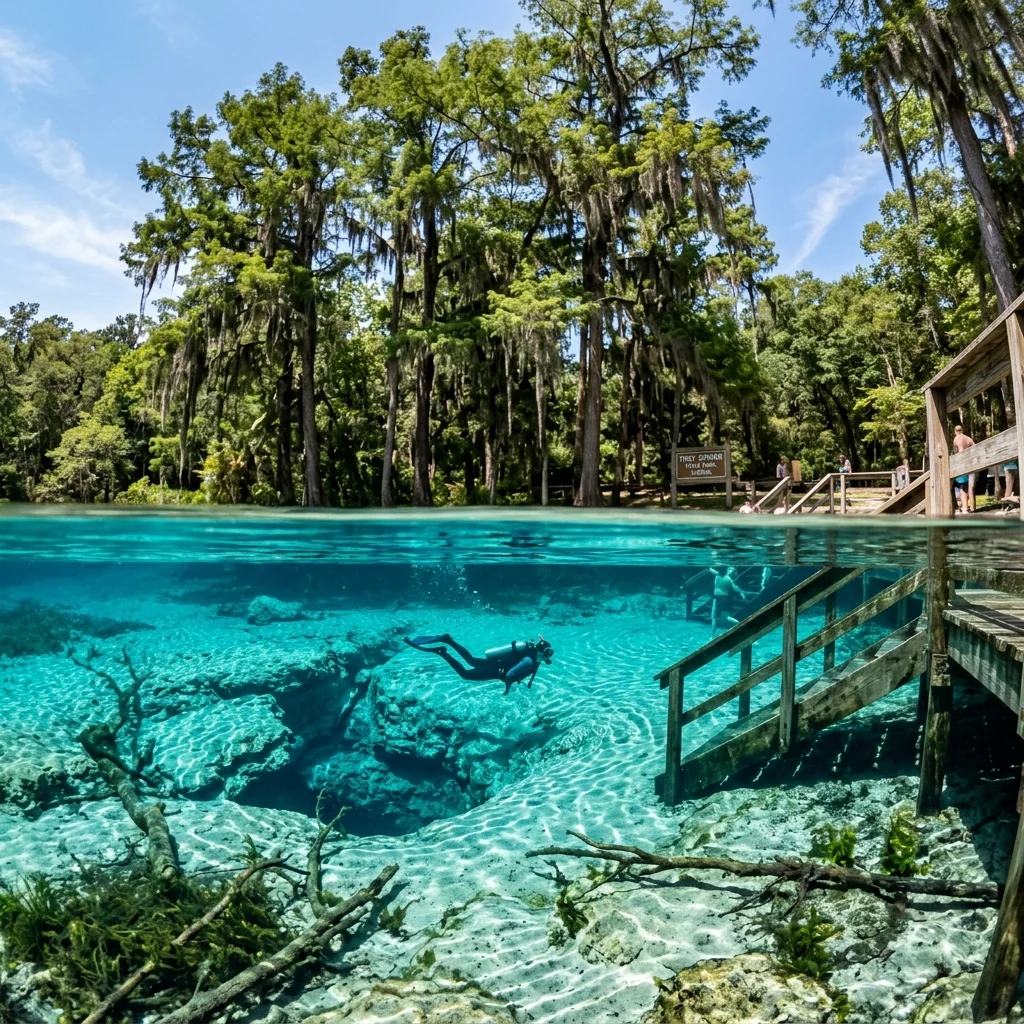
Hidden along the banks of the legendary Suwannee River in north-central Florida, Troy Spring is one of the state’s most impressive first-magnitude springs — pumping an average of 70 million gallons of crystal-clear water per day from a limestone vent 70 feet below the surface. The spring basin’s extraordinary clarity and depth make it a mecca for certified open-water scuba divers, who descend through layers of aquamarine light to explore the massive vent opening and the underwater remains of the C.S.S. Madison, a Confederate steamboat intentionally scuttled in 1863 to prevent Union capture.
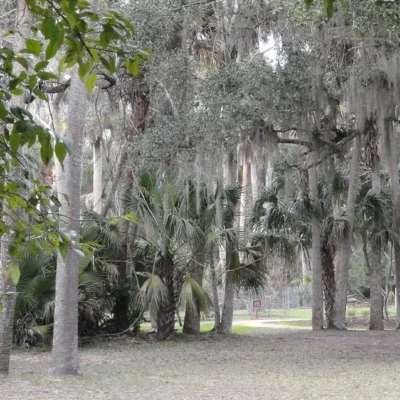
But you don’t need a dive certification to appreciate Troy Spring. The shallow areas of the basin are perfect for swimming and snorkeling in water that stays a refreshing 72°F year-round, regardless of Florida’s summer heat. A boardwalk system threads through hardwood hammock and cypress forest, providing shaded access to the spring basin, while the adjacent Suwannee River offers paddling and fishing. It’s a quieter, less commercialized alternative to Florida’s more famous springs — the kind of hidden gem that rewards those who seek it out.
Water Activities
| Activity | Details | Requirements |
|---|---|---|
| Swimming | Shallow spring basin, boardwalk access, 72°F year-round | None — open to all visitors |
| Snorkeling | Stunning visibility; view limestone formations and fish | Bring your own gear |
| Open-Water Scuba Diving | 70-ft spring vent, C.S.S. Madison wreck | Certified divers only; buddy system required |
| Canoeing / Kayaking | Suwannee River access from park dock | Bring your own craft |
| Fishing | Suwannee River — bass, catfish, panfish | Florida fishing license required |
Scuba Diving: The Main Attraction
Troy Spring is one of Florida’s premier open-water dive sites. The spring basin descends to approximately 70 feet, with visibility often exceeding 50 feet. At the bottom, divers can see the massive limestone vent and the remarkably preserved remains of the C.S.S. Madison — a 131-foot-long Confederate supply steamboat that operated between Columbus, Georgia, and the Gulf of Mexico before being scuttled by its crew ahead of advancing Union forces in March 1863.
- Certification Required: Only certified open-water divers — no snorkeling or free-diving to the bottom
- Buddy System: Solo diving is strictly prohibited
- Cave Diving: Strictly prohibited — the spring vent opens into an underground cave system that requires specialized cave diving certification available only at other sites
- Underwater Lights: Generally prohibited to protect the spring ecosystem
- Timing: All diving must conclude at least one hour before sundown
The C.S.S. Madison: A Civil War Time Capsule
The partially submerged wreckage of the Madison is one of the most historically significant underwater artifacts in Florida. The 131-foot side-wheel steamboat served as a Confederate supply vessel until its captain ordered it scuttled in Troy Spring to prevent capture. Today, divers can see the ship’s wooden ribs, iron fittings, and structural remnants resting on the spring bottom — a haunting reminder of Florida’s Civil War history preserved in crystal-clear water. The wreck site is listed on the National Register of Historic Places.
Hiking & Nature
| Trail | Distance | Difficulty | Highlights |
|---|---|---|---|
| Spring Basin Boardwalk | 0.3 mi | Easy | Shaded boardwalk to spring; cypress trees; overlook |
| Nature Trail Loop | 0.8 mi | Easy | Hardwood hammock; Suwannee River bluffs; wildlife |
Best Time to Visit
| Season | Temp Range | Best For | Notes |
|---|---|---|---|
| 🌸 Spring (Mar–May) | 65–85°F | Best water clarity, comfortable temps | Ideal for diving; fewer crowds than summer |
| ☀️ Summer (Jun–Aug) | 80–95°F | Swimming, snorkeling | 72°F water is refreshing; humid; may close during Suwannee flooding |
| 🍂 Fall (Sep–Nov) | 65–85°F | Diving, fewer crowds, pleasant weather | Hurricane season can affect Suwannee levels |
| ❄️ Winter (Dec–Feb) | 45–70°F | Diving, manatee viewing | 72°F water is warmer than air; peaceful |
Budget Planner
| Expense | Cost | Notes |
|---|---|---|
| Park Entry (Vehicle) | $5 | Per vehicle; up to 8 passengers |
| Pedestrian / Bicycle | $2 | Walk-in or bike-in visitors |
| Scuba Diving | Free (with park entry) | Certification required; no rental equipment on-site |
| Kayak / Canoe Rental | N/A (not available on-site) | Rent from nearby Suwannee River outfitters |
Wildlife
| Species | Where to Spot | Best Season |
|---|---|---|
| West Indian Manatee | Spring basin and river (warm-water refuge) | Winter (Nov–Mar) |
| Suwannee Cooter (Turtle) | Basking on logs in spring basin | Year-round |
| Mullet & Largemouth Bass | Spring basin and Suwannee River | Year-round |
| Barred Owl | Hardwood hammock, nature trail | Year-round |
| Pileated Woodpecker | Cypress and oak trees along trails | Year-round |
| River Otter | Suwannee River, early morning | Year-round |
Safety Information
| Hazard | Precaution |
|---|---|
| Spring Closure (Flooding) | Call ahead — park may close spring when Suwannee River flooding reduces clarity |
| Alligators | Present in Suwannee River; maintain safe distance; don’t feed wildlife |
| Cave Diving Prohibited | Entering the spring vent cave system is strictly illegal without permits |
| Slippery Surfaces | Boardwalks and spring access stairs can be slick; wear water shoes |
| Mosquitoes / Insects | Heavy in warm months; bring repellent |
Frequently Asked Questions
Do I need scuba certification to swim at Troy Spring?
No — swimming and snorkeling in the shallow areas of the spring basin is open to everyone. Scuba diving to the spring vent and C.S.S. Madison wreck requires valid open-water certification. You must dive with a buddy; solo diving is not permitted.
Can I see the Civil War shipwreck without diving?
On days with excellent water clarity, you can see the upper portions of the C.S.S. Madison wreck from the surface while snorkeling. However, the best views require scuba diving to 40-70 feet. The spring boardwalk has interpretive signs with photos and historical information about the vessel.
Does the spring ever close?
Yes — when the Suwannee River floods, murky river water backs into the spring basin, reducing visibility and making water activities unsafe. The park closes the spring during these events. Always call (386) 935-4835 before visiting to check current conditions.
Is there camping at Troy Spring?
No — Troy Spring State Park is a day-use-only facility. The nearest camping is at nearby Suwannee River State Park (approximately 15 miles south), which offers both tent and RV camping with electric hookups.
Can I bring my own kayak?
Yes — there is a dock on the Suwannee River for launching canoes and kayaks. This is a popular put-in point for Suwannee River paddling trips. No motorized boat ramp is available on-site.
Are manatees present at Troy Spring?
Yes — West Indian manatees seek out Florida’s springs during winter months because the constant 72°F water is warmer than the cooling river water. Winter visits (November–March) offer the best chance to see manatees in the spring basin. Maintain a safe distance and never approach or touch manatees.
Explore More Florida State Parks
Troy Spring State Park is one of many outstanding state parks in Florida. Discover more parks in our Best State Parks in Florida guide, or use our Park Finder to search by activity, location, or features.
Keep exploring: The closest neighbors are Ichetucknee Springs State Park (a short drive away) and Wes Skiles Peacock Springs State Park (within about an hour’s drive).

🐾 Dogs & Pets at Troy Spring State Park
- Pets allowed? statewide rule
- Domestic pets are welcome in many Florida State Parks — on hiking trails, in picnic areas and campgrounds — but only in designated areas.
- Leash rule statewide rule
- Leashes may not exceed 6 feet; pets must be under physical control at all times.
- Beaches & swim areas statewide rule
- Pets are not permitted on beaches, boardwalks or playgrounds, or in bathing areas — swimming pets can be viewed as prey by alligators.
- Cabins & lodging statewide rule
- Pets are not allowed in any state park buildings, cabins or cabin areas.
- Statewide exceptions statewide rule
- Pets prohibited at several parks including Ellie Schiller Homosassa Springs (free kennels at the entrance), Weeki Wachee Springs and Egmont Key; in campgrounds pets must be confined in the camping unit 11 p.m.-7 a.m.
Are dogs allowed at Troy Spring State Park?
Domestic pets are welcome in many Florida State Parks — on hiking trails, in picnic areas and campgrounds — but only in designated areas. Individual parks can post stricter rules — check signage on arrival.
Rules verified July 2026 via floridastateparks.org. More: Florida state parks guide · Dog rules in all 50 states compared
Park Location
Plan your gear for Troy Spring State Park
From our editorial guides, matched to this park’s activities: