Henry Cowell Redwoods State Park
🏆 Researched by State Park Experts — Based on California State Parks data, Sempervirens Fund conservation records, and Santa Cruz Mountains interpretive resources for this 4,650-acre redwood sanctuary
You round a bend on the Redwood Grove Loop Trail and suddenly the forest floor goes silent. The sounds of Highway 9 and the parking lot vanish, absorbed by bark that is twelve inches thick and the massive trunks of coast redwoods that were already centuries old when Columbus sailed. The canopy is so far above you—250, 260, 270 feet—that the treetops blur into a green cathedral ceiling, and the light that filters through has a quality you’ve never seen in any other forest: diffused, golden, ancient. You stop walking. Everyone stops walking. Because standing among trees that were saplings during the Roman Empire does something to your sense of time that no photograph can capture.
Henry Cowell Redwoods State Park protects a 40-acre grove of old-growth coast redwoods just six miles from downtown Santa Cruz, California—making it one of the most accessible stands of ancient redwoods in the world. The park’s signature tree, known as “The Giant,” stands 270 feet tall and measures more than 17 feet in diameter, with an estimated age exceeding 1,500 years. But Henry Cowell is far more than a single grove. The park encompasses 4,650 acres of remarkably diverse terrain, from the redwood-shaded banks of the San Lorenzo River to sun-baked chaparral ridgelines with panoramic views of Monterey Bay. With over 20 miles of trails, a campground in an oak grove, and a separate Fall Creek Unit offering nearly 20 additional miles of wilderness hiking through second-growth redwood forest, Henry Cowell delivers one of the most complete redwood experiences in California.
What makes this park genuinely extraordinary is the combination of world-class trees and effortless accessibility. The Redwood Grove Loop Trail is flat, wheelchair-accessible, and less than a mile long—you can walk among trees that were alive during the time of the pharaohs in under an hour. Yet the same park offers strenuous all-day hikes through burned and recovering forest, river crossings, and ridgeline trails with views stretching from the Santa Cruz Mountains to the Pacific. For families on a day trip, for serious hikers seeking solitude, and for anyone who wants to understand why coast redwoods inspire something close to reverence, Henry Cowell is the answer.
The Old-Growth Redwood Grove
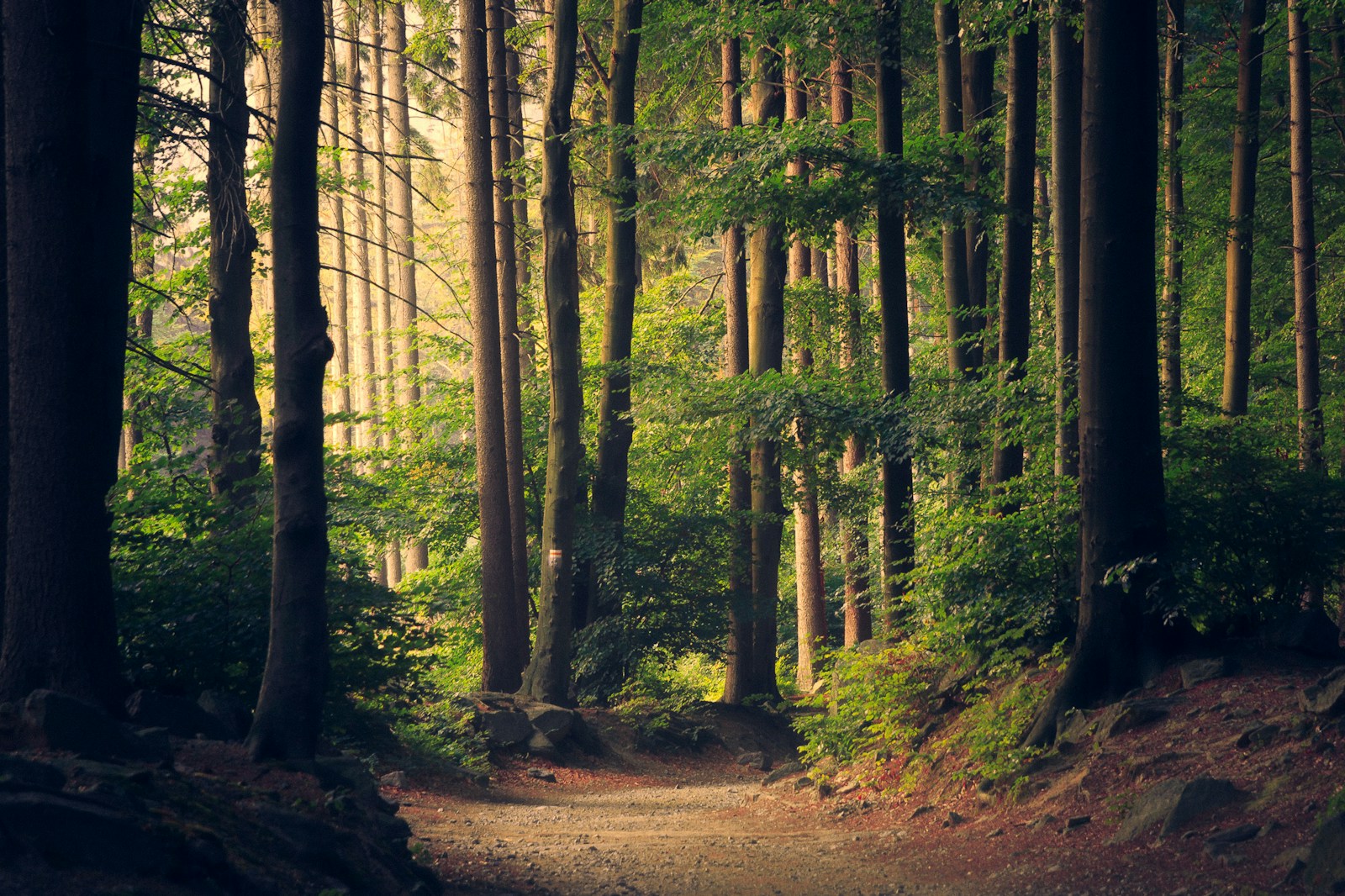
The 40-acre old-growth grove at Henry Cowell is the heart and soul of the park—a cathedral of coast redwoods (Sequoia sempervirens) that have survived fire, flood, drought, and the furious logging that cleared 95% of California’s original redwood forest. These trees represent the 5% that were never cut, and walking among them is a fundamentally different experience than walking through second-growth redwood forest. The old-growth trees are wider, taller, more deeply furrowed, and surrounded by a complex understory of ferns, sorrel, and huckleberry that has developed over millennia without interruption.
The Redwood Grove Loop Trail (0.8 miles) winds through this grove on a flat, well-maintained path that is wheelchair and stroller accessible. Interpretive signs explain redwood biology—how these trees can grow to 380 feet (the tallest living things on Earth), how their bark resists fire, how they reproduce both from seeds and from sprouts that grow from the root systems of fallen trees. A self-guided brochure and audio tour are available at the visitor center, and docent-led walks are offered on weekends during peak season.
The grove’s most famous resident is “The Giant”—a coast redwood measuring 270 feet tall and over 17 feet in diameter. Standing at its base and looking up is one of those rare moments in nature when the scale of what you’re seeing short-circuits your ability to process it. The tree was a mature specimen centuries before the Magna Carta was signed, and it will likely still be standing centuries after everything we build is dust.
Trail Guide
| Trail | Distance | Difficulty | Highlights |
|---|---|---|---|
| Redwood Grove Loop | 0.8 mi | Easy (wheelchair accessible) | 40-acre old-growth grove, “The Giant” tree (270 ft, 1,500+ years), interpretive signs |
| Pine Trail to Observation Deck | 2.5 mi RT | Moderate (steep) | Monterey Bay panoramic views from 805 ft elevation, transition from redwood to chaparral |
| River Trail | 3.0 mi | Easy | San Lorenzo River, swimming holes, riparian wildlife, connects to campground |
| Eagle Creek Trail | 2.5 mi | Moderate | Second-growth redwood, fern canyons, creek crossings |
| Four Crossings | 6.5 mi | Strenuous | Multiple San Lorenzo River crossings (wade), best late summer/fall when water is low |
| Fall Creek Loop (Fall Creek Unit) | 8.4 mi | Strenuous | Lime kilns, second-growth redwoods, creek, fire recovery, wilderness solitude |
| Graham Hill Trail | 4.0 mi | Moderate | Multi-use (hike/bike), connects park to town of Santa Cruz |
The Pine Trail to the Observation Deck is the park’s best-kept secret. The trail climbs steeply from the shaded redwood forest floor through a dramatic ecological transition—from towering conifers and ferns to sun-baked chaparral of manzanita and Ponderosa pine—reaching an observation deck at 805 feet with sweeping views of Monterey Bay, the Santa Cruz coastline, and on clear days, the Monterey Peninsula 25 miles to the south. The contrast between the cool, dark redwood grove at the base and the warm, exposed ridgeline at the top is a vivid demonstration of the Santa Cruz Mountains’ ecological diversity.
For an adventure, the Four Crossings Trail is a 6.5-mile hike that crosses the San Lorenzo River multiple times—wading through knee-to-thigh-deep water in summer and early fall. This trail is best attempted from July through October when water levels are low; during winter and spring, the crossings can be dangerous or impassable.
The Fall Creek Unit
Henry Cowell’s Fall Creek Unit is a separate, non-contiguous section of the park that offers nearly 20 miles of hiking trails through a very different landscape. The unit preserves the ruins of 19th-century lime kilns—massive stone structures where workers burned local limestone into quicklime for the construction industry—surrounded by second-growth redwood forest that has regrown since the logging era. The August 2020 CZU Lightning Complex Fire burned through portions of the Fall Creek Unit, and the forest is now in a dramatic state of recovery, with new growth sprouting from the charred trunks of resilient redwoods.
The Fall Creek Unit is day-use only (no camping, no dogs, no bikes, no fires), and its relative remoteness means it sees far fewer visitors than the main grove—making it the best option in the park for solitude. The trails follow Fall Creek through mossy canyons, past the historic kilns, and into groves of second-growth redwoods that, while younger than the old-growth trees, are still impressively large.
Camping
| Detail | Information |
|---|---|
| Sites | Hilltop oak grove campground (exact count varies; reopening April 2026 after upgrades) |
| Rate | $35/night + $8 reservation fee |
| Hookups | No electric/water hookups at sites |
| Amenities | Picnic table, fire ring, food locker, coin-operated hot showers |
| Max Capacity | 8 people per site |
| Pets | Allowed ($15/pet, max 2) |
| Reservations | ReserveCalifornia or 800-444-PARK; book early for summer |
The campground sits in a canopy of coast live oaks on a hillside above the San Lorenzo River—not among the redwoods themselves, but with easy trail access to the old-growth grove. The setting is quieter and more secluded than you’d expect for a park this close to a college town. Note: The campground has been undergoing infrastructure upgrades and is anticipated to reopen April 1, 2026. Check the California State Parks website for current status before planning your trip.
Best Time to Visit: A Seasonal Guide
| Season | Weather | Conditions | Best For |
|---|---|---|---|
| Spring (Mar–May) | 55–70°F | Wildflowers, flowing creeks, green understory | Wildflower photography, waterfall season, moderate crowds |
| Fall (Sep–Nov) | 60–75°F | Warm, dry, low water for river crossings | Four Crossings hike, warm hiking, thinner crowds |
| Summer (Jun–Aug) | 65–80°F | Fog common mornings, dry, peak visitors | Camping, swimming in river, shade of redwoods on hot days |
| Winter (Dec–Feb) | 45–60°F | Rain, lush green, mushrooms, dramatic atmosphere | Moody photography, fewest visitors, mushroom foraging |
Redwoods are magnificent year-round, but visiting after rain transforms the grove. The wet bark turns deep cinnamon-red, the ferns glow emerald, and fog threading through the canopy creates an ethereal atmosphere that photographers travel thousands of miles to capture. Summer mornings often begin with coastal fog that burns off by noon—arriving before 10 AM gives you the grove in the most atmospheric light.
Photography Guide
📸 Best Photo Opportunities & Settings
• Old-Growth Canopy Look-Up: Lie on your back in the grove and shoot straight up through the canopy. The converging trunks create dramatic leading lines. Ultra-wide (14-16mm), f/8, HDR mode for extreme dynamic range.
• The Giant Tree: Use a person at the base for scale—without a human figure, the tree’s size doesn’t register in photos. Early morning or overcast light eliminates harsh shadows. 24-35mm, f/8.
• Fern Understory: The grove floor is carpeted with sword ferns and redwood sorrel. After rain, water droplets on ferns create macro magic. 90-100mm macro, f/4, overcast or shade essential.
• Fog in the Canopy: Winter and summer mornings can bring fog into the grove, creating shafts of light through the canopy (called “god rays”). Be ready at first light. 70-200mm to isolate individual light shafts, f/5.6.
• Observation Deck Panorama: Monterey Bay views from the Pine Trail viewpoint. Best at sunset or on crystal-clear winter days after storms. 16-35mm, f/11, panorama stitch.
Budget Planning
| Expense | Day Visit | Camping Weekend | Notes |
|---|---|---|---|
| Day-Use Parking | $10 | Included w/ camp | Free parking at Graham Hill Pullout (limited) |
| Camping | — | $70 (2 nights) | $35/night + $8 reservation fee |
| Pet Fee | — | $30 (2 nights) | $15/pet/night, max 2 pets |
| Guided Tour | Free–$5 | Free–$5 | Docent walks on weekends; donations welcome |
| Estimated Total | $10–15 | $78–108 | One of the best value redwood experiences in CA |
Wildlife
| Species | Best Season | Where to Look | Notes |
|---|---|---|---|
| 🦌 Black-tailed Deer | Year-round | Meadow Trail, forest edges, dawn/dusk | Very common; often seen grazing near campground |
| 🦎 Banana Slug | Fall–Spring (wet) | Redwood Grove floor, fern beds | UC Santa Cruz mascot; bright yellow, up to 10 inches, harmless |
| 🦅 Steller’s Jay | Year-round | Throughout redwood grove | Bold blue-and-black jays; noisy, curious, will investigate your picnic |
| 🦉 Northern Spotted Owl | Year-round | Old-growth canopy, Fall Creek Unit | Federally threatened; extremely rare to spot, listen at dusk |
| 🐟 Steelhead Trout | Winter (Dec–Mar) | San Lorenzo River | Endangered anadromous trout; spawning run up river in winter |
| 🦋 Monarch Butterfly | Oct–Feb | Eucalyptus groves near park edges | Overwinter in Santa Cruz area; natural bridge clusters nearby |
Safety & Hazards
| Hazard | Risk Level | Prevention |
|---|---|---|
| 🌊 River Crossings | High (winter/spring) | San Lorenzo River can be swift and deep after rain. Four Crossings Trail only safe Jul–Oct. Never cross if water is above your knees or flowing fast |
| 🌲 Falling Limbs | Moderate | Old-growth redwoods drop large branches, especially during wind or after rain. Don’t camp or linger directly under dead limbs. Windstorm closures occur |
| 🐍 Rattlesnakes | Low–Moderate | Present on chaparral trails (Pine Trail, ridgelines) in warm months. Watch where you step and sit. Stay on trail |
| 🔥 Fire Recovery | Low | Some Fall Creek Unit trails may have unstable soil or standing dead trees from 2020 fire. Check trail status before hiking; stay on marked routes |
| 🅿️ Parking | Moderate (weekends) | The small parking lot fills by 10 AM on weekends and holidays. Arrive early or use the free Graham Hill Pullout |
Visitor Information
| Detail | Information |
|---|---|
| Address | 101 N Big Trees Park Road, Felton, CA 95018 |
| Phone | (831) 335-4598 |
| Hours | Sunrise – Sunset daily |
| Day-Use Fee | $10/vehicle |
| Visitor Center | Friday–Sunday, 10 AM – 3 PM |
| Campground | Reopening April 2026; $35/night + $8 reservation fee |
| Reservations | ReserveCalifornia.com or 800-444-PARK |
| Dogs | Allowed on some trails (not Redwood Grove Loop); $15/pet camping fee |
Getting There & Nearby Attractions
Henry Cowell Redwoods State Park is located on Highway 9 in Felton, California, approximately 6 miles north of downtown Santa Cruz. From Highway 17, take the Mount Hermon Road exit, follow it to Graham Hill Road, turn right, then turn left onto Highway 9—the park entrance is about half a mile on the left. From San Francisco, the drive takes approximately 75 minutes (75 miles) via Highways 280 and 17.
| Attraction | Distance | Drive Time | Highlights |
|---|---|---|---|
| Santa Cruz Beach Boardwalk | 6 mi | 15 min | Classic beachfront amusement park; Giant Dipper coaster (1924), free admission |
| Big Basin Redwoods SP | 12 mi | 25 min | California’s oldest state park; Berry Creek Falls, old-growth redwoods, fire recovery |
| Roaring Camp Railroads | 0.5 mi | 2 min | Historic narrow-gauge steam train through redwoods; departures adjacent to park |
| Natural Bridges State Beach | 10 mi | 20 min | Monarch butterfly grove (winter), natural rock arch, tidepools |
| UC Santa Cruz Arboretum | 8 mi | 15 min | Australian and South African native plants, hummingbird garden |
Frequently Asked Questions
Is Henry Cowell Redwoods State Park worth visiting?
Henry Cowell is one of the most accessible old-growth redwood experiences in California and absolutely worth visiting. The Redwood Grove Loop Trail lets you walk among trees that are over 1,500 years old in under an hour, and it’s wheelchair accessible. Combined with 20+ miles of diverse trails, proximity to Santa Cruz, and affordable pricing ($10 parking), it offers exceptional value. While the grove is smaller than Muir Woods or Redwood National Park, the trees are just as impressive, and on weekdays you may have the trail nearly to yourself.
How does Henry Cowell compare to Muir Woods?
Both parks protect old-growth coast redwoods, but the experience is quite different. Muir Woods requires timed reservations, charges $15 admission, and is heavily visited year-round. Henry Cowell has no reservation system, charges $10 for parking, and sees significantly fewer visitors. Henry Cowell also offers more trail diversity—20+ miles versus Muir Woods’ 6 miles—including river hikes, ridgeline views, and the separate Fall Creek Unit. If you want a more intimate, less crowded redwood experience with better hiking options, Henry Cowell wins.
Can I bring my dog to Henry Cowell?
Dogs are allowed on some trails—Powder Mill Fire Road, Meadow Trail, Pipeline Road, and Graham Hill Trail—but are not permitted on the Redwood Grove Loop Trail or in the Fall Creek Unit. Dogs must be on a leash at all times. If you’re camping, pets are welcome at campsites with a $15/pet/night fee (maximum 2 pets). Plan your route accordingly if hiking with dogs.
When is the best time to see the redwoods?
Redwoods are spectacular year-round, but each season brings a different character. After winter rain, the bark turns deep red and fog creates ethereal “god ray” light through the canopy—arguably the most photogenic conditions. Spring brings wildflowers and flowing creeks. Summer offers warm, dry hiking with characteristic morning fog. Fall provides the best weather for the Four Crossings river hike. For photography, overcast or foggy mornings eliminate harsh shadows and bring out the deepest colors in the bark and ferns.
Is parking difficult at Henry Cowell?
On weekends and holidays (especially summer), the main parking lot fills by 10 AM. Arrive early for guaranteed parking. As an alternative, free parking is available at the Graham Hill Pullout (limited spaces), from which you can walk to the grove. The park does not currently require timed entry reservations, but this could change during peak season.
🌲 Ready to Walk Among Giants?
Stand beneath 1,500-year-old coast redwoods, hike through recovering fire forest, wade across the San Lorenzo River, and take in Monterey Bay panoramas—all within a mile of a historic steam train.