
Algonquin State Forest
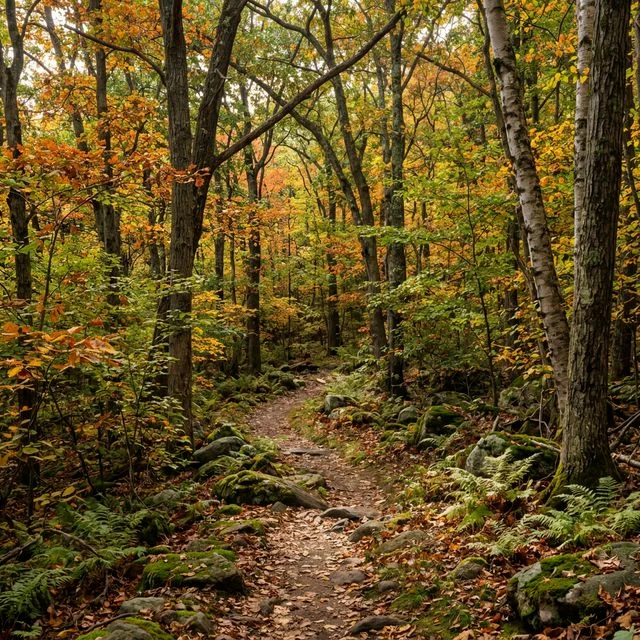
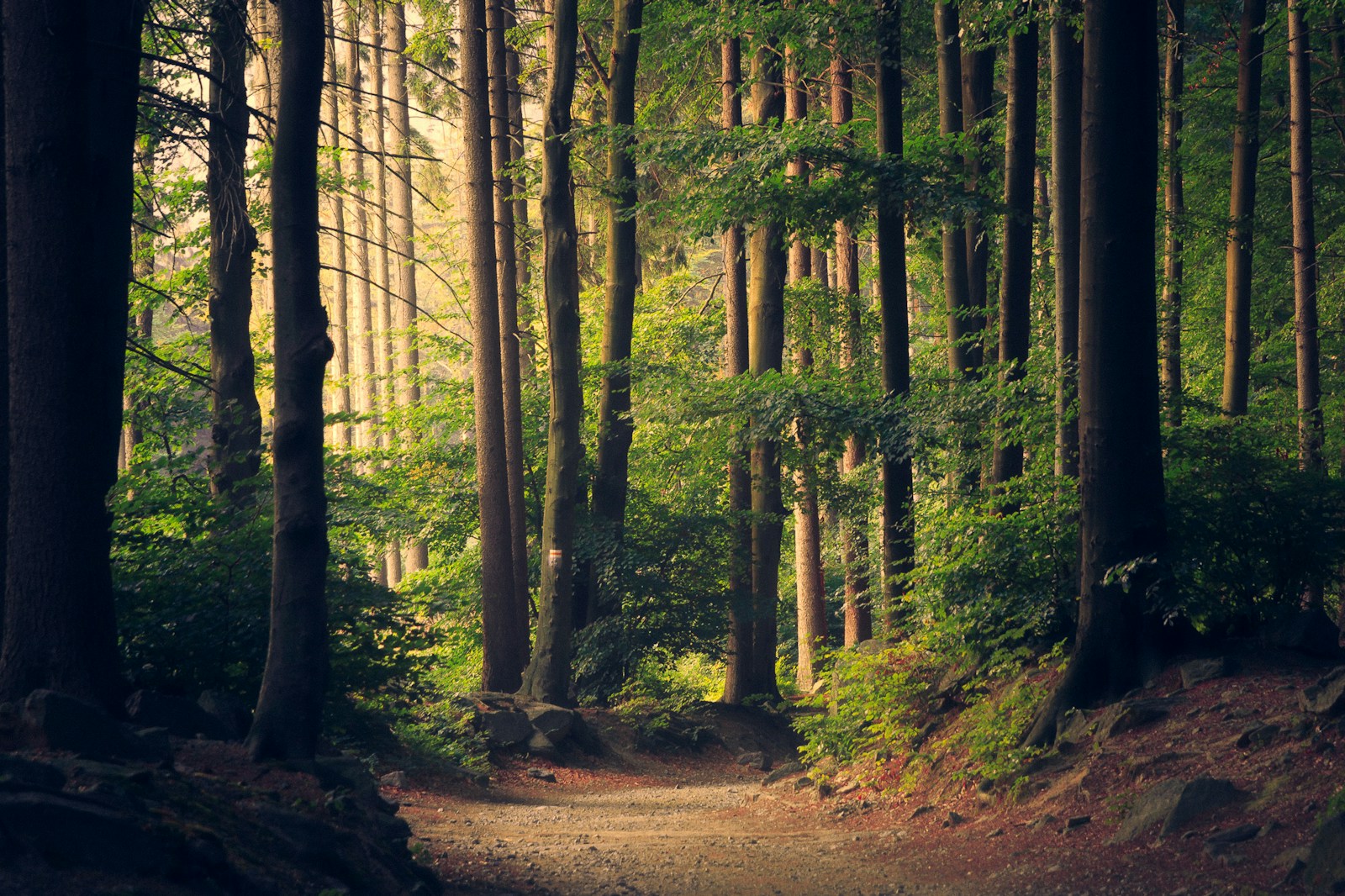
Tucked into the rural hills of northwestern Connecticut, where Colebrook and Winchester meet, Algonquin State Forest sprawls across 2,545 acres of some of the most unspoiled woodland in southern New England. This isn’t the manicured, well-touristed Connecticut of coastal mansions and quaint village greens—this is deep forest, wild streams, and ridge-top views that feel a world apart from the Nutmeg State’s urban corridors.
With designated wilderness preserves, extensive hunting grounds, and trails that wind through diverse habitats from oak forests to wetlands, Algonquin is a sanctuary for wildlife and a refuge for those seeking genuine solitude in one of America’s most densely populated states.
Table of Contents
Trails and Hiking
Algonquin’s trail network offers a range of experiences through its diverse terrain. Popular routes include the Burr Pond loop (2.7 miles, easy), the Haystack Mountain Tower loop (2.3 miles, with panoramic views from the summit tower), and the Kitchel Wildlife Sanctuary trail (3.9 miles through varied habitats and mature oak forests). The trails are generally well-marked and accessible for hikers of moderate fitness, though the terrain can be rugged in sections.
Wildlife and Wilderness Preserves
The forest is managed specifically for wildlife habitat, and the results are impressive. Two designated “Forever Wild” preserves protect sensitive ecosystems: the Sandy Brook Natural Area Preserve and the Kitchel Wilderness Natural Area Preserve. The 600-acre Kitchel Wilderness Area is maintained in a completely natural state, closed to hunting and motorized access, making it one of the most pristine tracts of forest in Connecticut. Mammals, birds, reptiles, amphibians, and invertebrates all thrive in the forest’s diverse habitats.
Hunting
Algonquin State Forest is a popular destination for hunters, with permitted seasons for small game, waterfowl, spring and fall turkey, and deer. The Kitchel Wilderness Area is closed to all hunting, creating a natural wildlife refuge within the larger managed forest. Detailed regulations are published in the Connecticut DEEP Hunting and Trapping Guide.
Essential Visitor Information
- Location: Colebrook and Winchester, Connecticut 06098, in the rural northwest corner of the state.
- Size: 2,545 acres.
- Activities: Hiking, wildlife viewing, hunting (seasonal), cross-country skiing, snowshoeing.
- Season: Open year-round. Fall foliage (late September through October) is particularly spectacular.
- Nearby: Haystack Mountain State Park and Burr Pond State Park are adjacent.
FAQ: Algonquin State Forest
Can you camp in Algonquin State Forest?
Is Algonquin State Forest the same as Algonquin Provincial Park?
Is Algonquin State Forest good for fall foliage?