🌤 Weather at Assekonk Swamp Wildlife Management Area by season
| Spring | Summer | Fall | Winter |
|---|---|---|---|
| 32–67 °F | 59–82 °F | 38–74 °F | 24–45 °F |
Each range runs from the coldest monthly average low to the warmest monthly average high in that season (1991-2020 climate normals), measured at Westerly State Airport, 7 mi away, elevation 81 ft. Conditions at the park can differ from the station, especially where elevation differs — check a forecast before you go.

🏆 Eastern CT Wetland — 570-acre freshwater swamp habitat in the Connecticut woodlands
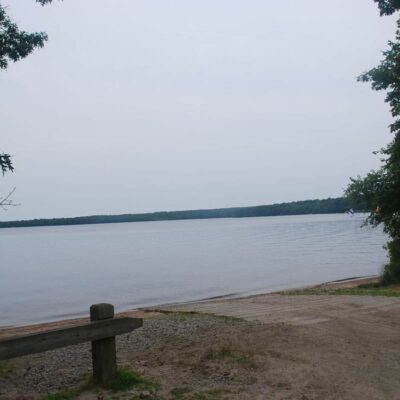
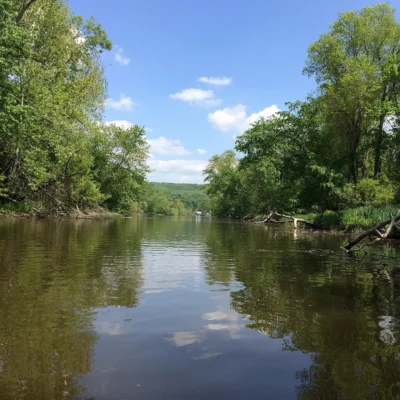
Assekonk Swamp Wildlife Management Area protects 570 acres of freshwater swamp and upland forest in North Stonington, Connecticut. The swamp is part of the Pawcatuck River watershed and provides critical habitat for waterfowl, wood ducks, and great blue herons. Connecticut’s WMAs are managed by DEEP (Department of Energy and Environmental Protection) for wildlife conservation and public hunting, fishing, and nature observation.
Visitor Information
| Detail | Information |
|---|---|
| Location | North Stonington, New London County, CT |
| Size | 570 acres |
| Entry Fee | Free |
| Habitat | Freshwater swamp, upland forest |
Frequently Asked Questions
Can I hunt here?
Yes — Connecticut WMAs are open to hunting during regulated seasons. A valid CT hunting license is required. Waterfowl, deer, and turkey are the primary game species.
How many Native American place names survive in CT?
Dozens — Connecticut itself means “long tidal river” in Algonquian. Towns like Naugatuck, Quinnipiac, Niantic, and Cos Cob preserve indigenous language. Rivers, ponds, and swamps retain Native names that predate European contact. These names are living links to 10,000+ years of indigenous presence — the Pequot, Mohegan, and other Algonquian peoples whose descendants still live in Connecticut.
About Assekonk Swamp
Assekonk Swamp Wildlife Management Area in North Stonington preserves a large freshwater swamp and surrounding upland forest in southeastern Connecticut. The swamp provides critical habitat for wood ducks, great blue herons, and diverse amphibian species. The area takes its name from the Pequot word meaning “dark water place.”
Things to Do
Hunting (seasonal — deer, turkey, waterfowl), birdwatching (wood ducks and herons especially), fishing in the swamp channels, and nature photography. The diverse wetland habitat supports 100+ bird species. A DEEP hunting license is required for hunting activities.
Insider Tips
Glacial wetland: Assekonk Swamp is a glacial kettle-hole wetland — formed when buried ice blocks melted after the last ice age. Pro tip: Connecticut’s 5,543 square miles make it the third-smallest state — but it packs remarkable ecological diversity into a tiny area. Native name: “Assekonk” derives from the Pequot/Mohegan language — Connecticut preserves many indigenous place names.
Best Time to Visit
Spring: Migrating waterfowl. Fall: Swamp foliage. Summer: Full wetland ecology. Winter: Waterfowl wintering.
Wildlife & Nature
Assekonk Swamp protects a forested wetland complex in southeastern Connecticut — critical habitat for wood ducks, great blue herons, and American woodcock. The swamp’s red maple and Atlantic white cedar canopy shelters diverse amphibian populations including spotted salamanders, wood frogs, and spring peepers whose chorus fills the wetland each March. Vernal pools within the swamp are essential breeding habitat — these temporary pools lack fish predators, making them safe nurseries. River otters have returned to Connecticut’s waterways after near-extirpation, and their tracks are regularly found here. The understory includes spicebush, cinnamon fern, and royal fern.
Nearby Attractions
Pachaug State Forest — Connecticut’s largest state forest (27,000 acres) — offers extensive hiking, mountain biking, and equestrian trails. Bluff Point State Park in Groton protects the last remaining significant piece of undeveloped coastline on Connecticut’s Long Island Sound shore. The Mystic Seaport Museum recreates a 19th-century maritime village with historic ships including the last wooden whaleship, the Charles W. Morgan. Foxwoods Resort Casino and Mohegan Sun — two of the world’s largest casinos — are both within 20 minutes.
Keep exploring: The closest neighbors are Barn Island Wildlife Management Area (a short drive away) and Hopeville Pond State Park (a short drive away).
🦆 Visit Assekonk Swamp WMA
570 acres of eastern CT swampland — wood duck and heron paradise.

🐾 Dogs & Pets at Assekonk Swamp Wildlife Management Area
- Pets allowed? statewide rule
- Pets on a leash are permitted in most Connecticut state parks and forests, but not in buildings, swimming areas or state park campgrounds.
- Leash rule statewide rule
- Pets must be leashed and under control at all times; in state forest camping areas the leash may be no longer than 7 feet.
- Beaches & swim areas statewide rule
- Pets are prohibited in swimming areas; Sherwood Island and Squantz Pond State Parks ban pets entirely April 15 - September 30.
- Cabins & lodging statewide rule
- Pets are banned from all state park campgrounds; they are allowed only in the American Legion, Pachaug and Salt Rock state forest campgrounds, but not on rustic cabin sites.
- Statewide exceptions statewide rule
- Pets prohibited year-round at Dinosaur State Park and in the formal gardens and beach at Harkness Memorial State Park.
Are dogs allowed at Assekonk Swamp Wildlife Management Area?
Pets on a leash are permitted in most Connecticut state parks and forests, but not in buildings, swimming areas or state park campgrounds. Individual parks can post stricter rules — check signage on arrival.
Rules verified July 2026 via portal.ct.gov. More: Connecticut state parks guide · Dog rules in all 50 states compared
Park Location
Plan your gear for Assekonk Swamp Wildlife Management Area
From our editorial guides, matched to this park’s activities:
Top Tours & Activities Near Mystic
 from $100from $75
 from $59