
🌤 Weather at Atsion by season
| Spring | Summer | Fall | Winter |
|---|---|---|---|
| 31–74 °F | 59–87 °F | 34–78 °F | 24–47 °F |
Each range runs from the coldest monthly average low to the warmest monthly average high in that season (1991-2020 climate normals), measured at Indian Mills 2 W, 5 mi away, elevation 100 ft. Conditions at the park can differ from the station, especially where elevation differs — check a forecast before you go.

🏚️ The Pine Barrens Iron Ghost That Became a Lake — A Forgotten Industrial Village in New Jersey’s Million-Acre Wilderness — Atsion Recreation Area in Wharton State Forest, Burlington County, New Jersey, historic Pine Barrens iron furnace village founded 1765, Greek Revival Atsion Mansion (1826), 100-acre Atsion Lake with swimming beach, 50-site campground, cranberry bog legacy, canoeing the Mullica River, gateway to Wharton State Forest (115,000 acres) — Burlington County, NJ
Before Atsion was a lake with a swimming beach, it was an iron furnace. Before that, it was pine forest. The Pine Barrens have a way of swallowing human ambition — furnaces, paper mills, entire villages — and replacing them with trees, tea-colored water, and silence.
Charles Read founded the iron works here in 1765. Samuel Richards built the Greek Revival mansion in 1826. Joseph Wharton bought everything in 1892 and grew cranberries. Today, Atsion is a recreation area within 115,000-acre Wharton State Forest — a 100-acre lake, a swimming beach, 50 campsites, and a mansion that remembers when iron was king in the Pine Barrens.
What to See and Do
| Feature | Details |
|---|---|
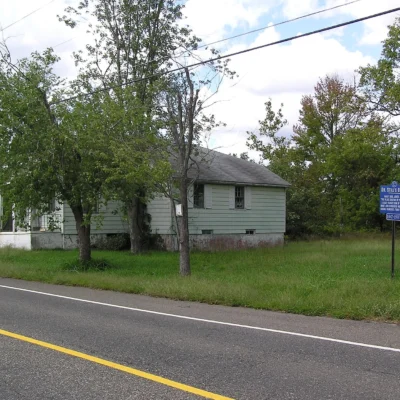
| Atsion Mansion | Greek Revival mansion built 1826 by Samuel Richards. Summer residence of the iron dynasty family. Seasonal guided tours — architecture, iron industry history, and the Richards family legacy |
| Swimming Beach | 100-acre Atsion Lake — a dammed section of the Mullica River. Sandy beach, lifeguards Memorial Day through Labor Day. Tea-colored Pine Barrens water. Picnic area and changing facilities |
| Camping | 50-site campground for tents and trailers. Also furnished cabins. Year-round operation. Fire rings, flush toilets, showers. Deep in the Pine Barrens |
| Canoeing & Kayaking | The Mullica River flows through — one of the classic Pine Barrens paddling rivers. Tea-colored water through white cedar swamps. Connects to Batsto Village downstream |
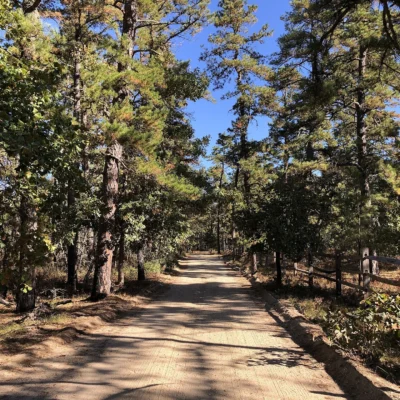
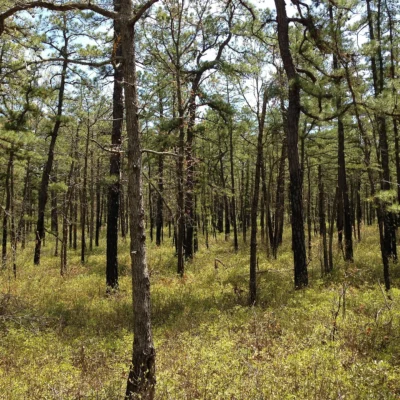
| Hiking | Trails into Wharton State Forest — 115,000 acres of pine, oak, and cedar. The Batona Trail (50 miles) passes nearby. Old sand roads through the forest |
The Rise and Fall of Atsion
| Year | Event |
|---|---|
| 1765 | Charles Read founds the Atsion iron works. Bog iron is extracted from the Pine Barrens streams. A self-sufficient industrial village grows — furnace, forge, sawmill, church, store, worker housing |
| 1824–1826 | Samuel Richards revives the iron furnace and builds the Greek Revival mansion. Atsion thrives as an iron-producing village |
| Mid-1800s | Pennsylvania anthracite coal makes bog iron obsolete. The furnace closes. Paper mill attempts fail. The village begins to die |
| 1892 | Joseph Wharton buys Atsion and 100,000+ acres of Pine Barrens. He grows cranberries and peanuts. His real plan — sell Pine Barrens water to Philadelphia — is blocked by the NJ legislature |
| 1954–Present | New Jersey acquires the Wharton lands for state forest. Atsion becomes a public recreation area. The mansion is preserved. The iron village is gone — only the lake and the forest remain |
Best Time to Visit
| Season | Best For |
|---|---|
| Summer (Jun–Aug) | ☀️ Swimming beach open. Lifeguards on duty. Canoeing the Mullica. Camping under the pines. Long warm days |
| Fall (Oct–Nov) | 🍂 Pine Barrens autumn — cranberry harvest colors. Cool paddling weather. Mansion tours. Quiet campground |
| Spring (Apr–May) | Wildflowers. High water for paddling. Pine warblers singing. Mansion reopening. Cool camping |
| Winter (Dec–Feb) | Campground open year-round. Quiet forest. Pine Barrens in winter silence. No swimming. Cross-country skiing on sand roads |
Frequently Asked Questions
What’s the connection to Batsto Village?
Both are historic iron villages within Wharton State Forest. Batsto is the more developed historic site (40 restored buildings). Atsion is smaller but has the swimming lake and campground. The Mullica River connects them — you can paddle from one to the other.
Why is the water brown?
Pine Barrens water is naturally tea-colored from tannins in the cedar and pine forest. It’s not polluted — it’s actually some of the purest water in New Jersey. The iron-rich, acidic water of the Pine Barrens created the bog iron that Atsion was built to smelt.
Make it a road trip: Pair a visit with Atsion Mansion (a short drive away) or Carranza Memorial (a short drive away).
🏚️ The Iron Died. The Forest Came Back. Now You Can Swim in It.
A furnace town from 1765. A mansion from 1826. A lake where the dam held. And 115,000 acres of Pine Barrens that swallowed everything else. The Pine Barrens always win.
Wildlife & Nature
Atsion — in the heart of the Pine Barrens — preserves a former iron-making community dating to 1765. The tea-colored Atsion Lake and cedar-stained rivers support Pine Barrens tree frogs (found in only a few locations worldwide), timber rattlesnakes, and red-bellied turtles. Bald eagles nest nearby.
Nearby Attractions
Wharton SF — surrounding. Batsto Village — 10 miles south. Hammonton — 10 miles east — the “Blueberry Capital of the World.”

⛺ Camping at Atsion: Campgrounds & Cabins
| Campsites | 50 sites — 50 tent and trailer sites with fire rings and picnic tables, open year-round. Potable water, flush toilets and showers within walking distance. Trailer sanitary station operates April 1 - October 31. |
|---|---|
| Cabins & Lodging | 9 furnished cabins on Atsion Lake: 5 cabins accommodate 4 people, 3 cabins accommodate 6 people, 1 cabin (Cabin 6, with bunk beds) accommodates 8 people. Each has a screened porch, fireplace, outdoor campfire ring, kitchen with refrigerator/stove/sink, hot and cold running water, and a full bathroom with toilet and shower. Ramp entrance on all cabins except Cabin 6. Open May 3 - October 31; May-Labor Day requires 7 or 14 consecutive nights, April-October otherwise allows 2-14 consecutive nights. |
| Pets | Family campsites 26 through 34 are designated pet-friendly. |
| Reservations | Online at camping.nj.gov; park office 609-268-0444, [email protected]. |
| Special sites | Beach complex with changing area, restrooms, showers, first-aid station and concession building on Atsion Lake; canoe/kayak rentals available. Wharton State Forest overall also has primitive wilderness/canoe camping sites (Batona, Bodine Field, Goshen Pond, Hawkins Bridge, Buttonwood Hill, Lower Forge, Mullica River) and a separate Godfrey Bridge campground (34 tent/trailer sites, max 22 ft) elsewhere in the forest, outside the Atsion Recreation Area itself. |
| Season notes | Family campsites open year-round; cabins May 3 - October 31; trailer sanitary station April 1 - October 31. |
Camping questions about Atsion
Can you camp at Atsion?
Yes. Atsion has 50 campsites. 50 tent and trailer sites with fire rings and picnic tables, open year-round. Potable water, flush toilets and showers within walking distance. Trailer sanitary station operates April 1 - October 31.
How do you reserve a campsite at Atsion?
Online at camping.nj.gov; park office 609-268-0444, [email protected].
Are there cabins at Atsion?
9 furnished cabins on Atsion Lake: 5 cabins accommodate 4 people, 3 cabins accommodate 6 people, 1 cabin (Cabin 6, with bunk beds) accommodates 8 people. Each has a screened porch, fireplace, outdoor campfire ring, kitchen with refrigerator/stove/sink, hot and cold running water, and a full bathroom with toilet and shower. Ramp entrance on all cabins except Cabin 6. Open May 3 - October 31; May-Labor Day requires 7 or 14 consecutive nights, April-October otherwise allows 2-14 consecutive nights.
Are pets allowed at the Atsion campground?
Family campsites 26 through 34 are designated pet-friendly.
Source: dep.nj.gov (verified July 2026). Details change seasonally — confirm when booking.
🐾 Dogs & Pets at Atsion
- Pets allowed? statewide rule
- Pets are allowed in NJ state parks and forests on leash but are prohibited from buildings, swimming beaches and non-designated campsites.
- Leash rule statewide rule
- Leash 6 feet or less, with the pet under physical control at all times.
- Beaches & swim areas statewide rule
- Pets are prohibited from swimming beaches and swimming waters statewide.
- Cabins & lodging statewide rule
- Pets are prohibited from cabins/lodging; the Pet Friendly Camping Program designates campsites at 13 areas (e.g. Round Valley all sites, Allaire 1-8, Bass River 1-85, Stokes 101-137) for up to two dogs or cats per permit.
- Pet fees statewide rule
- $5.00 per night additional charge for a pet-friendly campsite; no day-use pet fee.
- Statewide exceptions statewide rule
- Pet Friendly Camping requires current rabies vaccination with written proof at check-in; caged birds/reptiles only allowed inside RVs.
- Dogs & wildlife
- After wooded trails, give dogs the same careful tick check the state recommends for hikers.
Are dogs allowed at Atsion?
Pets are allowed in NJ state parks and forests on leash but are prohibited from buildings, swimming beaches and non-designated campsites. Individual parks can post stricter rules — check signage on arrival.
Rules verified July 2026 via dep.nj.gov. More: New Jersey state parks guide · Dog rules in all 50 states compared
🐻 Wildlife at Atsion: What to Watch For — and Watch Out For
Worth watching for: The Atsion Lake Trail, on the site of a former ice packing house, is now home to Pinelands amphibians and waterfowl. Along the Mullica River Trail you may spot beaver, white-tailed deer, egrets, blue herons, and red-tailed hawks.
Watch out for: Ticks are a genuine concern in the Pine Barrens — the state's official advice is insect repellent, light-colored clothing, pants tucked into socks, staying on trails, and a thorough tick check when you get home. Black bears are found throughout New Jersey: feeding them is dangerous and illegal, and never run from a bear. The Pinelands are also one of the last strongholds of New Jersey's endangered timber rattlesnake — if you see one, keep at least 15 feet away and leave it alone; the species is protected.
Are there bears at Atsion?
Yes — see above for where they occur in the park and how to behave. Sightings are a normal part of a healthy park; incidents are rare when visitors keep distance and store food properly.
Wildlife information verified July 2026 via dep.nj.gov.
Park Location
Plan your gear for Atsion
From our editorial guides, matched to this park’s activities:

Top Tours & Activities Near Amboseli National Park
 from $730
 from $725
 from $5,670