Batsto Village
🌤 Weather at Batsto Village by season
| Spring | Summer | Fall | Winter |
|---|---|---|---|
| 31–73 °F | 61–87 °F | 35–79 °F | 24–47 °F |
Each range runs from the coldest monthly average low to the warmest monthly average high in that season (1991-2020 climate normals), measured at Hammonton 1 NE, 8 mi away, elevation 125 ft. Conditions at the park can differ from the station, especially where elevation differs — check a forecast before you go.

🏚️ A Ghost Town That Armed the Revolution — 40 Buildings in the Heart of the Pine Barrens — Batsto Village in Wharton State Forest, Burlington County, New Jersey, historic iron furnace village founded 1766, bog iron smelting, supplied cannonballs and camp kettles to the Continental Army during the Revolutionary War, 36-room Victorian mansion, 1882 water-powered sawmill, 1852 post office, Pinelands National Reserve, National Register of Historic Places — Burlington County, NJ
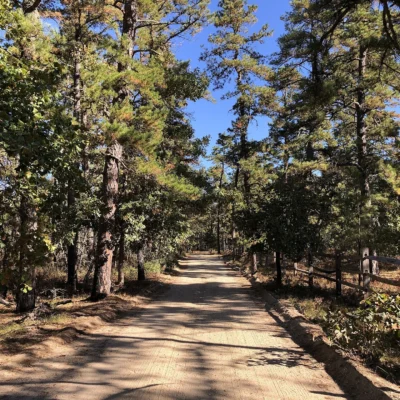
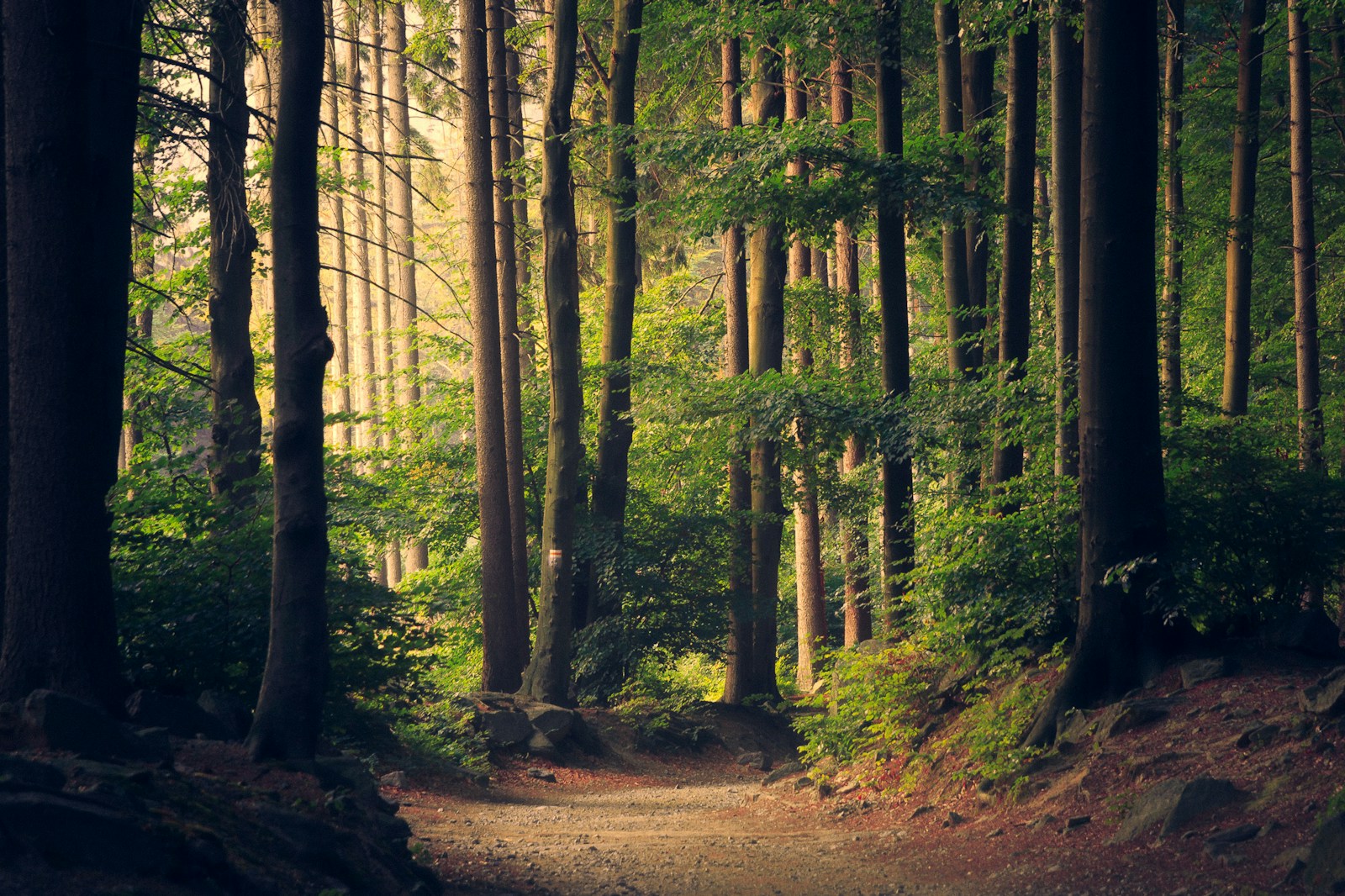
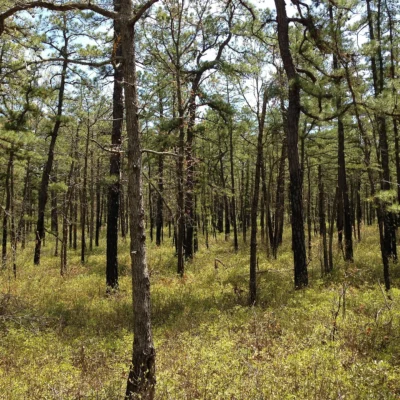
Deep in the New Jersey Pine Barrens, where sand roads wind through a million acres of pitch pine and Atlantic white cedar, there is a village that armed the American Revolution.
Batsto was founded in 1766 to smelt bog iron — iron that seeps from the acidic Pine Barrens streams and settles in the sandy creek beds. When the Revolution came, Batsto’s furnaces produced cannonballs, musket balls, and camp kettles for Washington’s army. After the war, the village shifted to glassmaking. After the glass industry failed, Philadelphia tycoon Joseph Wharton bought the entire operation and turned it into a gentleman’s farm. Today, over 40 buildings stand preserved in the forest — a complete 18th- and 19th-century industrial village, frozen in time.
What to See
| Feature | Details |
|---|---|
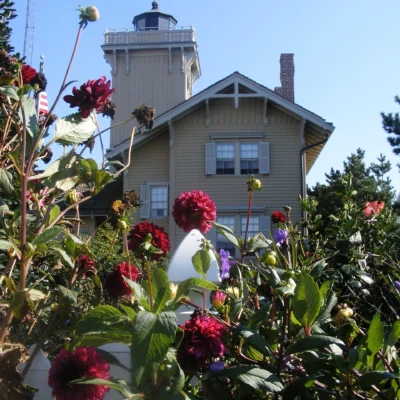
| Batsto Mansion | 36-room Victorian mansion, remodeled by Joseph Wharton in the 1870s. Guided tours available. Italianate tower with views over the Pine Barrens |
| Iron Furnace Site | The remains of the original 1766 bog iron furnace. Interpretive exhibits explain how bog iron was harvested from streams and smelted with charcoal from Pine Barrens timber |
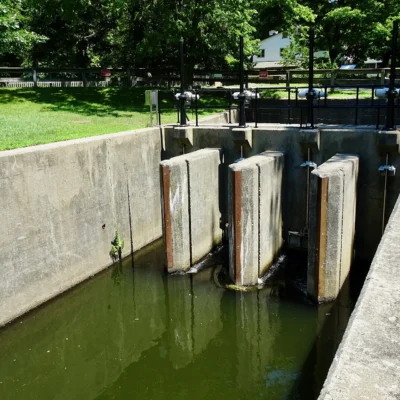
| Water-Powered Sawmill | Functional 1882 sawmill on the Batsto River. Still operational — demonstrations during special events |
| Post Office & General Store | The 1852 post office is one of the oldest surviving post offices in New Jersey. The general store is stocked as it would have been in the 19th century |
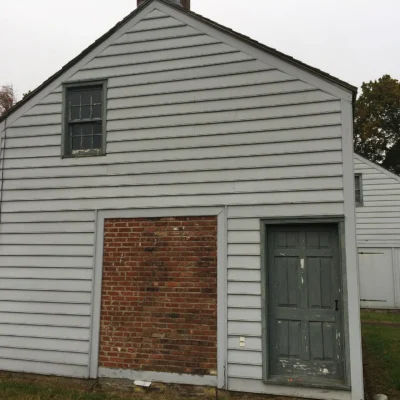
| Worker’s Houses & Outbuildings | Over 40 preserved buildings: worker cottages, barns, a blacksmith shop, a gristmill, a piggery, and a charcoal kiln. A complete industrial village |
The Timeline
| Year | Event |
|---|---|
| 1766 | Charles Read founds Batsto Iron Works to exploit the bog iron deposits in the Pine Barrens streams. The furnace, charcoal supply, and water power create a self-contained industrial village |
| 1776–1783 | The American Revolution. Batsto supplies cannonballs, musket balls, camp kettles, and other iron goods to the Continental Army. The British target the furnace but fail to destroy it |
| 1784 | William Richards purchases the iron works. The Richards family owns Batsto for 92 years, expanding the village and managing the iron and later glass industries |
| 1846–1867 | The iron industry declines. Batsto shifts to glass manufacturing — window glass and bottles. The glass venture ultimately fails |
| 1876 | Joseph Wharton — Philadelphia industrialist and founder of the Wharton School — purchases Batsto. He remodels the mansion, establishes cranberry bogs, and manages the estate as a gentleman’s farm |
| 1954 | The State of New Jersey acquires the property. Batsto becomes part of Wharton State Forest — the largest single tract of land in the New Jersey state park system |
Best Time to Visit
| Season | Best For |
|---|---|
| Fall (Sep–Nov) | 🍂 Pine Barrens autumn color. Cool air. Special events and living history demonstrations. Best photography |
| Spring (Apr–Jun) | 🌸 Wildflowers in the Pine Barrens. Pleasant temperatures. Mansion tours resume. Birding season |
| Summer (Jun–Aug) | Full operations. Hot and humid. The pine forest provides shade. Batsto Lake for cooling off |
| Winter (Dec–Feb) | Quiet and atmospheric. Reduced hours. The village in winter light is hauntingly beautiful |
Frequently Asked Questions
What is bog iron?
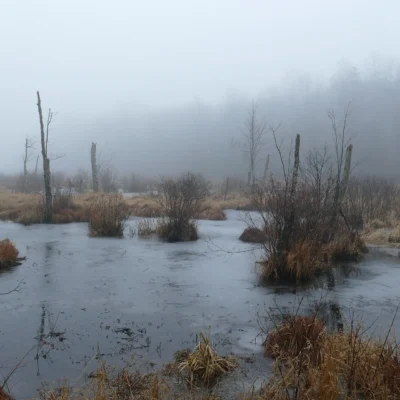
Iron that precipitates from acidic water in swamps and stream beds. The Pine Barrens’ tea-colored, iron-rich water deposits iron compounds in the sandy creek bottoms. Colonial ironworkers harvested this “bog ore,” dried it, and smelted it in charcoal furnaces. The Pine Barrens provided both the ore and the fuel.
Is Batsto really a ghost town?
Technically, yes — the last resident left in 1989. But unlike most ghost towns, Batsto is meticulously preserved and actively managed. Over 40 buildings stand intact, and the village looks much as it did in the late 1800s. It’s one of the best-preserved industrial villages in America.
Can I explore Wharton State Forest from here?
Absolutely — Batsto is the main visitor center for Wharton State Forest. At 122,880 acres, Wharton is the largest tract in the New Jersey park system. From Batsto, you can access hiking trails, canoe routes on the Batsto and Mullica Rivers, and sand roads for mountain biking.
Keep exploring: The closest neighbors are Wharton State Forest (a short drive away) and Atsion Mansion (a short drive away).
🏚️ 40 Buildings. A Revolution’s Arsenal. Lost in a Million Acres of Pine.
They made cannonballs for Washington. They blew glass for Philadelphia. Then the tycoon bought it all. Now the village stands silent in the Pine Barrens — every building intact, every story waiting.
Wildlife & Nature
Batsto Village — a restored 19th-century iron and glass-making village in the Wharton State Forest. The 33-room Batsto Mansion, workers’ cottages, and industrial buildings represent 200 years of Pine Barrens history. The Batsto River and cedar swamp support Pine Barrens tree frogs, river otters, and barred owls. Bald eagles fish the river.
Nearby Attractions
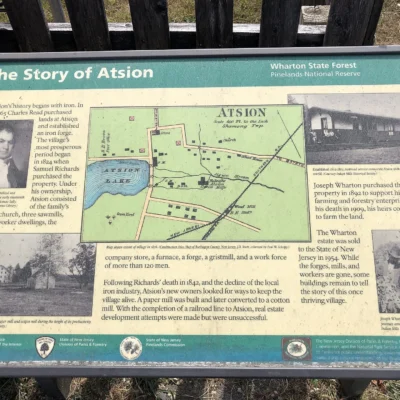
Wharton SF — surrounding — the largest single tract of land in the NJ state park system (122,880 acres). Hammonton — 10 miles east. Atsion — 10 miles north.

🐾 Dogs & Pets at Batsto Village
- Pets allowed? statewide rule
- Pets are allowed in NJ state parks and forests on leash but are prohibited from buildings, swimming beaches and non-designated campsites.
- Leash rule statewide rule
- Leash 6 feet or less, with the pet under physical control at all times.
- Beaches & swim areas statewide rule
- Pets are prohibited from swimming beaches and swimming waters statewide.
- Cabins & lodging statewide rule
- Pets are prohibited from cabins/lodging; the Pet Friendly Camping Program designates campsites at 13 areas (e.g. Round Valley all sites, Allaire 1-8, Bass River 1-85, Stokes 101-137) for up to two dogs or cats per permit.
- Pet fees statewide rule
- $5.00 per night additional charge for a pet-friendly campsite; no day-use pet fee.
- Statewide exceptions statewide rule
- Pet Friendly Camping requires current rabies vaccination with written proof at check-in; caged birds/reptiles only allowed inside RVs.
Are dogs allowed at Batsto Village?
Pets are allowed in NJ state parks and forests on leash but are prohibited from buildings, swimming beaches and non-designated campsites. Individual parks can post stricter rules — check signage on arrival.
Rules verified July 2026 via dep.nj.gov. More: New Jersey state parks guide · Dog rules in all 50 states compared
Park Location
Plan your gear for Batsto Village
From our editorial guides, matched to this park’s activities: