
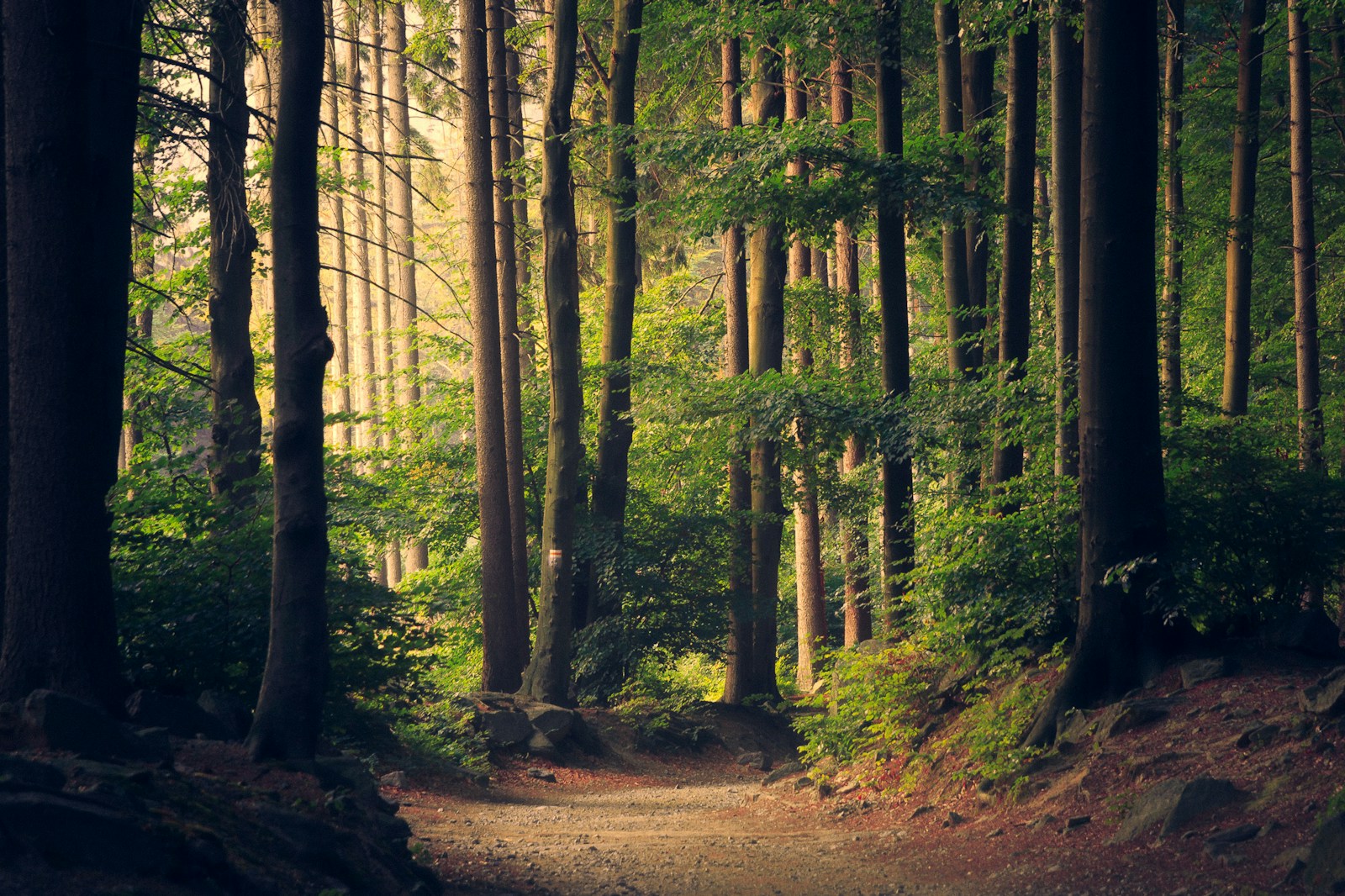
Azalea State Natural Reserve
Located in the lush coastal environment of Humboldt County, just north of the vibrant college town of Arcata, the 30-acre Azalea State Natural Reserve is one of California’s most specialized and enchanting state properties. Unlike massive, multi-use recreation areas, this delicate reserve exists for one primary, spectacular purpose: the preservation and display of the native western azalea (Rhododendron occidentale).
Acquired by the state in 1943, this tranquil day-use park offers a serene escape into a botanical wonderland. Each spring, the reserve transforms into a vivid canvas of pink and white blossoms, accompanied by a rich, intoxicating floral fragrance. It is a beloved destination for botanists, photographers, and anyone looking for a peaceful, short nature walk near the majestic Mad River.
The Main Event: The Western Azalea Bloom
The undisputed highlight of Azalea State Natural Reserve is the annual blooming season. The western azalea is a deciduous shrub that can grow up to 15 feet tall, and when it blooms, it does so with incredible density and color.
- Peak Bloom Season: Mid-April through late May. This is the absolute best time to visit.
- The Flowers: The blossoms are characteristically white to pale pink, often featuring a distinct yellowish-orange spot on the upper petal. The scent is often described as sweet, clove-like, and remarkably strong.
- Photography Tips: Unsurprisingly, this is a photographer’s paradise. Visit during the “golden hours” (early morning or late afternoon) for soft, diffused lighting that perfectly captures the delicate translucence of the petals. Overcast days—common on the Humboldt coast—are also excellent for color saturation.
A Fragile Ecosystem
Azalea State Natural Reserve is specifically a “Natural Reserve,” which carries a higher level of protection than a standard state park. The environment here is delicate. Visitors are strictly required to stay on marked trails to avoid trampling the shallow root systems of the azaleas and the surrounding native flora, which includes ferns, sitka spruce, and coastal scrub.
Hiking Trails and Exploring the Reserve
The reserve is relatively small (30 acres), making it perfect for a short outing ranging from 30 minutes to a couple of hours. The trails are generally flat, well-maintained, and designed for easy strolling rather than strenuous exercise.
| Trail Name | Type / Distance | Difficulty | Highlights |
|---|---|---|---|
| Self-Guided Nature Trail | Short Loop | Easy | Interpretive signs explaining the local flora, ideal for first-time visitors wanting to learn about the coastal ecosystem. |
| West Parking Lot Loop | Loop | Easy | Winds through dense stands of azaleas and mixed coastal forest. The most accessible path from the main parking area. |
| East Road Loop | Loop (across road) | Easy to Moderate | Starts across the road from the main lot, offering slight elevation changes as it moves through trees and past additional, sometimes less crowded, azalea groves. |
Accessibility Note: While the trails are generally flat and easy, they are unpaved dirt and forest duff. After seasonal coastal rains—which are frequent in the spring—parts of the trail can become muddy and slick. Sturdy walking shoes are highly recommended.
Park Amenities and Rules
Because Azalea is a Natural Reserve focused on preservation, its amenities are intentionally minimal to protect the landscape.
| Facility / Rule | Details |
|---|---|
| Operating Hours | Open year-round from sunrise to sunset. Day-use only. |
| Picnicking | A small, serene picnic area is available near the parking lot. Excellent spot for a quiet lunch surrounded by nature. |
| Pets | Strict Policy: Dogs are permitted only in the parking lot and must be on a leash. They are not allowed on the trails to protect wildlife and the fragile plant ecology. |
| Camping | No camping is available onsite. However, nearby parks like Patrick’s Point (Sue-meg State Park) or Humboldt Redwoods State Park offer extensive camping options. |
| Restrooms | Basic vault toilet facilities are usually available near the parking area, though it’s wise to plan ahead as amenities are limited. |
Getting There & Nearby Attractions
Azalea State Natural Reserve is located at 1533 Azalea Avenue, McKinleyville, CA 95519. It is situated just five minutes north of Arcata via US Highway 101. The reserve’s proximity to the Mad River makes it an easy add-on to a coastal road trip.
If you’re visiting the area, consider combining your trip to the reserve with other stunning local state parks. Sue-meg State Park (formerly Patrick’s Point) is just a short drive up the coast, offering dramatic ocean views, agate hunting, and tide pooling. To the south, the awe-inspiring giants of Humboldt Redwoods State Park await.
Plan Your Humboldt Coast Trip
Spring is the magical season at Azalea State Natural Reserve. If you are traveling through Northern California in April or May, a 60-minute detour to smell the native azaleas is an absolute must! Check the official CA State Parks page for current bloom updates.
Frequently Asked Questions
When is the best time to see the azaleas bloom?
The western azaleas at the reserve typically hit their peak bloom between mid-April and late May. The exact timing can vary slightly from year to year depending on winter rainfall and spring temperatures.
Can I bring my dog on the trails at Azalea State Natural Reserve?
No. Dogs are strictly prohibited on all trails within the reserve to protect the fragile local ecology and wildlife. Dogs are only allowed in the paved parking area and must be kept on a leash at all times.
Does the reserve have camping facilities?
No, Azalea is a “day-use only” Natural Reserve and does not offer camping. For overnight stays, visitors should look into nearby state parks such as Sue-meg State Park or private campgrounds in the McKinleyville/Arcata area.
Is there an entrance fee?
Generally, there is no formal entrance station or steep vehicle day-use fee specifically for this small reserve, but visitors should always check current signage in the parking lot for any required state park passes or self-pay envelopes. A California State Parks Explorer or Golden Bear pass is always a good idea.
How long are the hiking trails?
The trails are very short and designed for leisurely nature walks. The loop trails range from 0.5 to 1 mile in length, taking most visitors 30 to 45 minutes to complete at a slow, observant pace.
{ “@context”: “https://schema.org”, “@type”: “FAQPage”, “mainEntity”: [ { “@type”: “Question”, “name”: “When is the best time to see the azaleas bloom?”, “acceptedAnswer”: { “@type”: “Answer”, “text”: “The western azaleas at the reserve typically hit their peak bloom between mid-April and late May. The exact timing can vary slightly from year to year depending on winter rainfall and spring temperatures.” } }, { “@type”: “Question”, “name”: “Can I bring my dog on the trails at Azalea State Natural Reserve?”, “acceptedAnswer”: { “@type”: “Answer”, “text”: “No. Dogs are strictly prohibited on all trails within the reserve to protect the fragile local ecology and wildlife. Dogs are only allowed in the paved parking area and must be kept on a leash at all times.” } }, { “@type”: “Question”, “name”: “Does the reserve have camping facilities?”, “acceptedAnswer”: { “@type”: “Answer”, “text”: “No, Azalea is a “day-use only” Natural Reserve and does not offer camping. For overnight stays, visitors should look into nearby state parks such as Sue-meg State Park or private campgrounds in the McKinleyville/Arcata area.” } }, { “@type”: “Question”, “name”: “Is there an entrance fee?”, “acceptedAnswer”: { “@type”: “Answer”, “text”: “Generally, there is no formal entrance station or steep vehicle day-use fee specifically for this small reserve, but visitors should always check current signage in the parking lot for any required state park passes or self-pay envelopes. A California State Parks Explorer or Golden Bear pass is always a good idea.” } }, { “@type”: “Question”, “name”: “How long are the hiking trails?”, “acceptedAnswer”: { “@type”: “Answer”, “text”: “The trails are very short and designed for leisurely nature walks. The loop trails range from 0.5 to 1 mile in length, taking most visitors 30 to 45 minutes to complete at a slow, observant pace.” } } ]
}
