🌤 Weather at Barber Pond Wildlife Management Area by season
| Spring | Summer | Fall | Winter |
|---|---|---|---|
| 22–68 °F | 53–81 °F | 30–73 °F | 14–39 °F |
Each range runs from the coldest monthly average low to the warmest monthly average high in that season (1991-2020 climate normals), measured at Staffordville, 3 mi away, elevation 736 ft. Conditions at the park can differ from the station, especially where elevation differs — check a forecast before you go.

🏆 Wooded Wetland — Forested wetland habitat with pond and upland woodland in Stafford
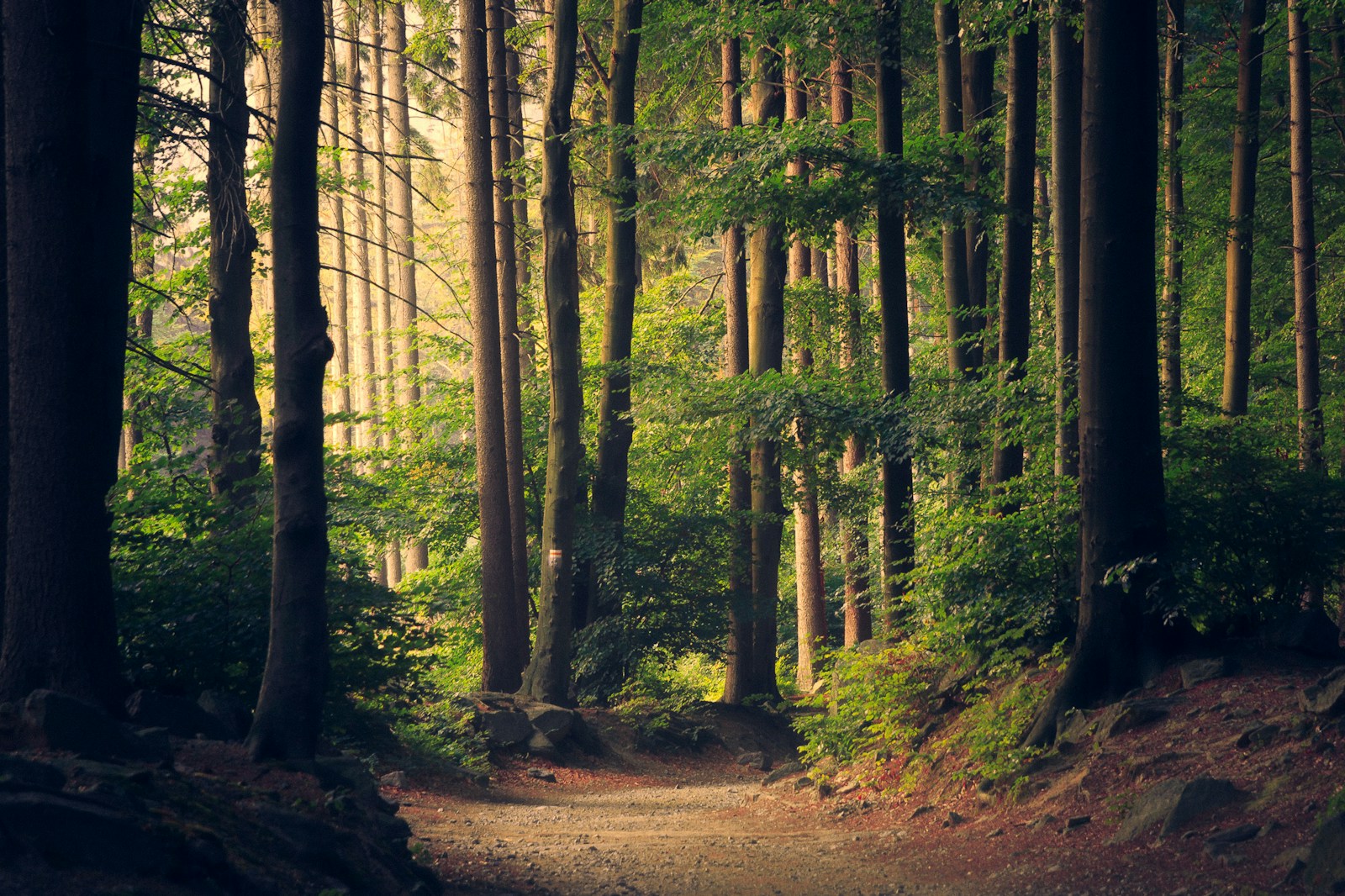
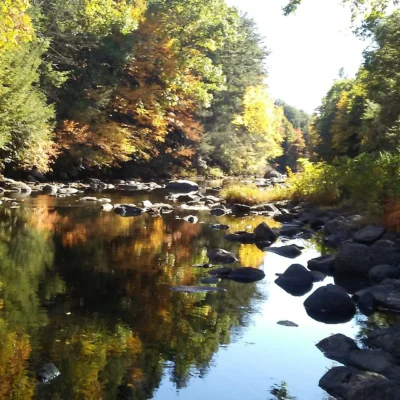
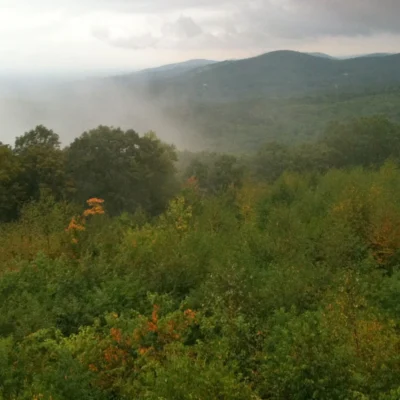
Barber Pond Wildlife Management Area encompasses forested wetland and upland woodland surrounding Barber Pond in Stafford, Connecticut. The mix of open water, marsh, and mature hardwood forest supports diverse wildlife including beaver, otter, wood ducks, and migratory songbirds. The property lies in the northern Connecticut hills where the landscape transitions toward the more rugged terrain of Massachusetts.
Visitor Information
| Detail | Information |
|---|---|
| Location | Stafford, Tolland County, CT |
| Entry Fee | Free |
| Habitat | Pond, marsh, hardwood forest |
| Wildlife | Beaver, otter, wood duck |
Frequently Asked Questions
Is there a trail?
WMAs typically have informal paths and woods roads rather than developed trails. Bring waterproof boots — wetland terrain can be soggy year-round.
Why was CT called the Arsenal of Democracy?
Connecticut’s manufacturing tradition began in the Revolution — producing guns, cannons, and ships. Samuel Colt invented the revolver in Hartford. Eli Whitney pioneered interchangeable parts in New Haven. During WWII, Connecticut factories produced submarines (Electric Boat), aircraft engines (Pratt & Whitney), helicopters (Sikorsky), and weapons. The state’s per-capita military production was among the nation’s highest.
About Barber Pond
Barber Pond Wildlife Management Area in South Windsor protects a shallow pond and surrounding marsh along the Connecticut River floodplain. The wetlands are part of the larger Connecticut River ecosystem — one of the most important migratory bird corridors in eastern North America.
Things to Do
Birdwatching (spring and fall migrations bring warblers, shorebirds, and waterfowl), hunting (seasonal), fishing, and wildlife photography. The Connecticut River floodplain wetlands here attract diverse wildlife including river otters and mink.
Insider Tips
Mill heritage: Many CT ponds were created by damming streams for mill power — Barber Pond reflects the state’s industrial heritage. Pro tip: Connecticut was the “Arsenal of Democracy” — its factories produced weapons from the Revolution through WWII. Manufacturing giant: Samuel Colt (Hartford), Eli Whitney (New Haven), and Seth Thomas (Thomaston) revolutionized American manufacturing in Connecticut.
Best Time to Visit
Fall: New England foliage. Spring: Migrating birds. Summer: Fishing and birding. Winter: Waterfowl.
Wildlife & Nature
Barber Pond provides open-water wetland habitat surrounded by hardwood forest — a combination that attracts diverse bird species. Waterfowl including wood ducks, mallards, and hooded mergansers use the pond throughout the year. Spring and fall migration brings warblers, thrushes, and sparrows through the forest canopy. The pond’s shallow margins support emergent vegetation where red-winged blackbirds nest and painted turtles bask on logs. Beavers actively maintain the wetland — their dams create the ponded habitat that benefits dozens of other species. Listen for barred owls at dusk — their distinctive “who cooks for you” call echoes through the surrounding forest.
Nearby Attractions
The area offers a mix of outdoor recreation and Connecticut’s cultural attractions. Sleeping Giant State Park in Hamden features a dramatic traprock ridge resembling a sleeping giant — with panoramic views from the stone tower at the summit. Yale University in New Haven offers world-class museums including the Yale University Art Gallery (free admission) and the Peabody Museum of Natural History. East Rock Park provides cliff-top views over New Haven and Long Island Sound. The Farmington Canal Heritage Trail offers a paved multi-use path through the region.
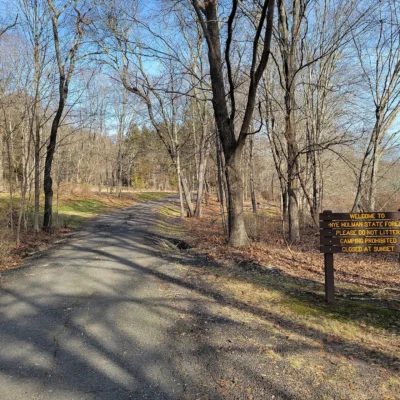
Nearby state parks: If you have extra time, Nye-Holman State Forest is a short drive away, and Hop River State Park Trail is a short drive away.

🐾 Dogs & Pets at Barber Pond Wildlife Management Area
- Pets allowed? statewide rule
- Pets on a leash are permitted in most Connecticut state parks and forests, but not in buildings, swimming areas or state park campgrounds.
- Leash rule statewide rule
- Pets must be leashed and under control at all times; in state forest camping areas the leash may be no longer than 7 feet.
- Beaches & swim areas statewide rule
- Pets are prohibited in swimming areas; Sherwood Island and Squantz Pond State Parks ban pets entirely April 15 - September 30.
- Cabins & lodging statewide rule
- Pets are banned from all state park campgrounds; they are allowed only in the American Legion, Pachaug and Salt Rock state forest campgrounds, but not on rustic cabin sites.
- Statewide exceptions statewide rule
- Pets prohibited year-round at Dinosaur State Park and in the formal gardens and beach at Harkness Memorial State Park.
Are dogs allowed at Barber Pond Wildlife Management Area?
Pets on a leash are permitted in most Connecticut state parks and forests, but not in buildings, swimming areas or state park campgrounds. Individual parks can post stricter rules — check signage on arrival.
Rules verified July 2026 via portal.ct.gov. More: Connecticut state parks guide · Dog rules in all 50 states compared
Park Location
Plan your gear for Barber Pond Wildlife Management Area
From our editorial guides, matched to this park’s activities:
Top Tours & Activities Near Hartford
 from $143
 from $158
 from $143