Barton Warnock Visitor Center
🏆🏆🏆🏆🏆 Texas — Gateway to Big Bend Ranch State Park — the largest state park in Texas at 311,000 acres! The visitor center houses a 2.5-acre Chihuahuan Desert garden with over 700 plant species and exhibits covering 570 million years of geological history. Named for botanist Barton Warnock.
Visitor Information
| Detail | Info |
|---|---|
| Location | Texas |
About Barton Warnock
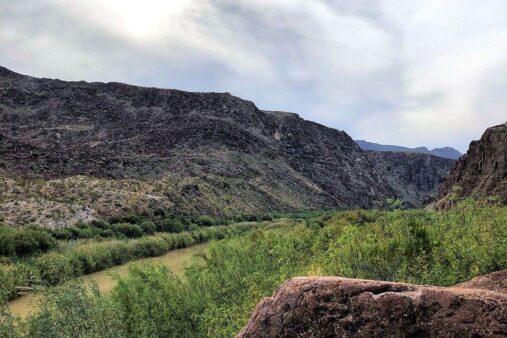
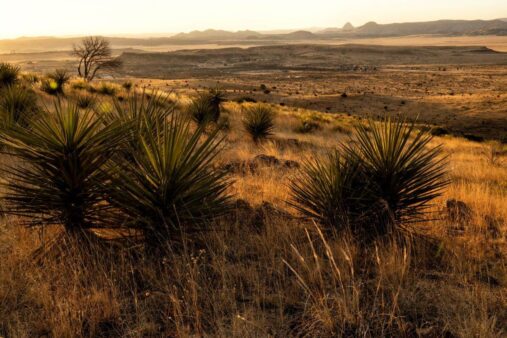
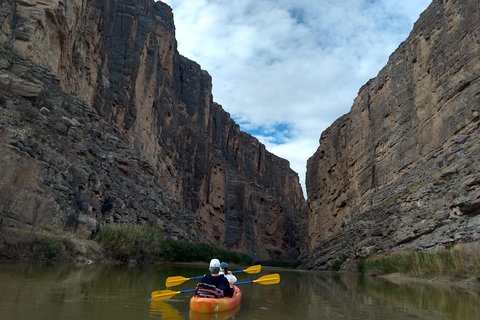
Barton Warnock Visitor Center near Lajitas serves as the eastern gateway to Big Bend Ranch State Park — Texas’s largest state park at 311,000 acres. The center houses exhibits on the Chihuahuan Desert ecosystem — the most biologically diverse desert in North America. The Rio Grande here carves spectacular limestone canyons along the US-Mexico border. Dr. Barton Warnock was a Sul Ross University botanist who documented 1,000+ plant species in the region.
Things to Do
Touring the desert garden and exhibits, preparing for Big Bend Ranch adventures, driving the River Road scenic byway, viewing the Rio Grande canyons, and learning about the Chihuahuan Desert ecosystem.
Plan Your Visit
The visitor center is open daily. The 2.5-acre desert garden contains over 800 Chihuahuan Desert plant species — Dr. Warnock catalogued 1,000+ species in this region. Big Bend Ranch State Park begins here — Texas’s largest state park at 311,000 acres. The River Road (FM 170) from Lajitas to Presidio is one of America’s most spectacular drives. Lajitas Golf Resort provides luxury accommodation. Water is essential — summer temperatures exceed 105°F.
Insider Tips
Big Bend: The Barton Warnock Center serves the Big Bend region — one of the most remote and spectacular landscapes in the US. Pro tip: Big Bend has the least light pollution of any national park in the lower 48 — you can see the Milky Way with the naked eye. Chihuahuan Desert: The surrounding desert is North America’s largest — stretching from Texas to central Mexico.
Frequently Asked Questions
Why is Big Bend so remote?
Big Bend sits at the southernmost bend of the Rio Grande — 300+ miles from the nearest major city (El Paso or San Antonio). The Chihuahuan Desert terrain is forbidding. The remoteness preserved the landscape but also limited visitation — Big Bend receives 450,000 visitors annually versus 12+ million at Great Smoky Mountains. This remoteness is its greatest asset — offering genuine wilderness solitude increasingly rare in America.
Park Location


Top Tours & Activities Near Big Bend National Park
 from $155
 from $16
 from $17