🌤 Weather at Beaman Park State Natural Area by season
| Spring | Summer | Fall | Winter |
|---|---|---|---|
| 36–76 °F | 63–86 °F | 36–81 °F | 25–49 °F |
Each range runs from the coldest monthly average low to the warmest monthly average high in that season (1991-2020 climate normals), measured at Goodlettsville 7WNW, 8 mi away, elevation 820 ft. Conditions at the park can differ from the station, especially where elevation differs — check a forecast before you go.

🌸 Nashville’s Secret Wildflower Cathedral — 1,600 Acres of Ridge-and-Hollow Forest 15 Minutes from Music Row — Beaman Park State Natural Area in Davidson County, Tennessee, 1,600+ acres of protected ridgeline forest, 15+ miles of hiking trails, Henry Hollow Loop through spring ephemeral wildflowers, Eggert’s sunflower (rare species), Nature Center, limestone barrens, Western Highland Rim geology, dwarf larkspur fire pinks lady’s slipper orchids — Davidson County, TN
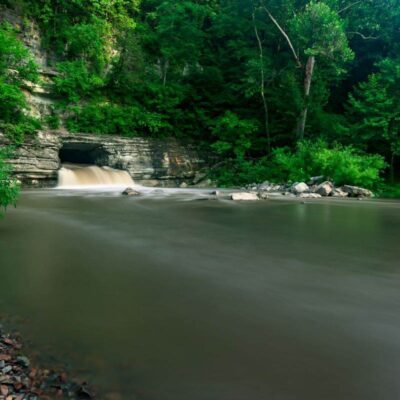
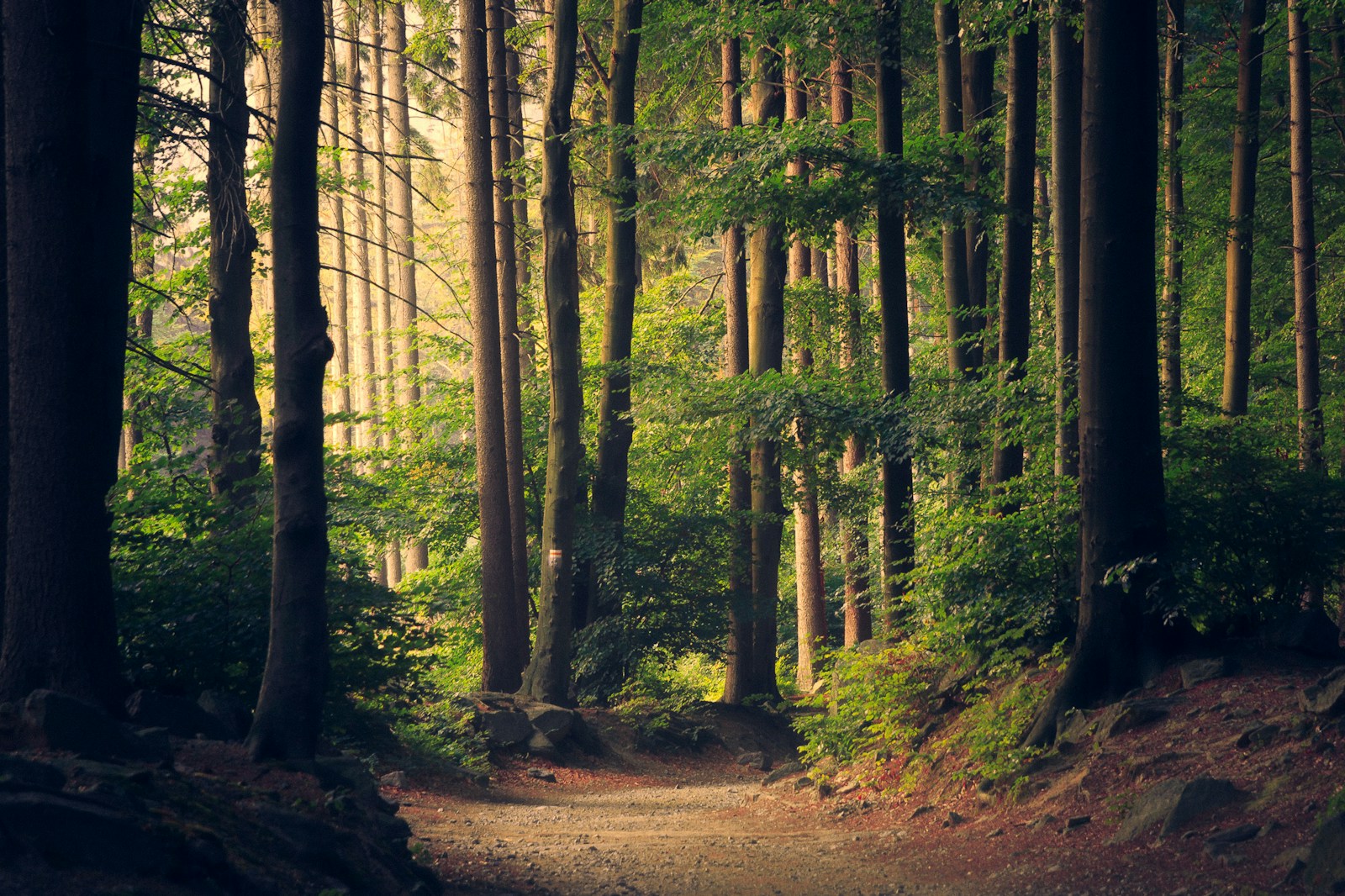
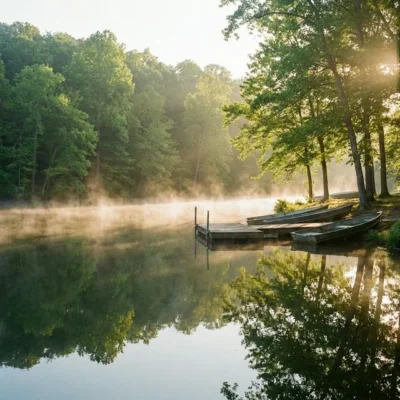
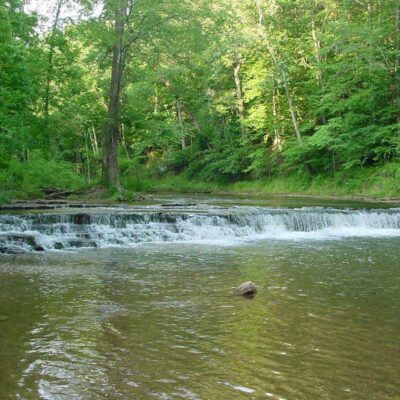
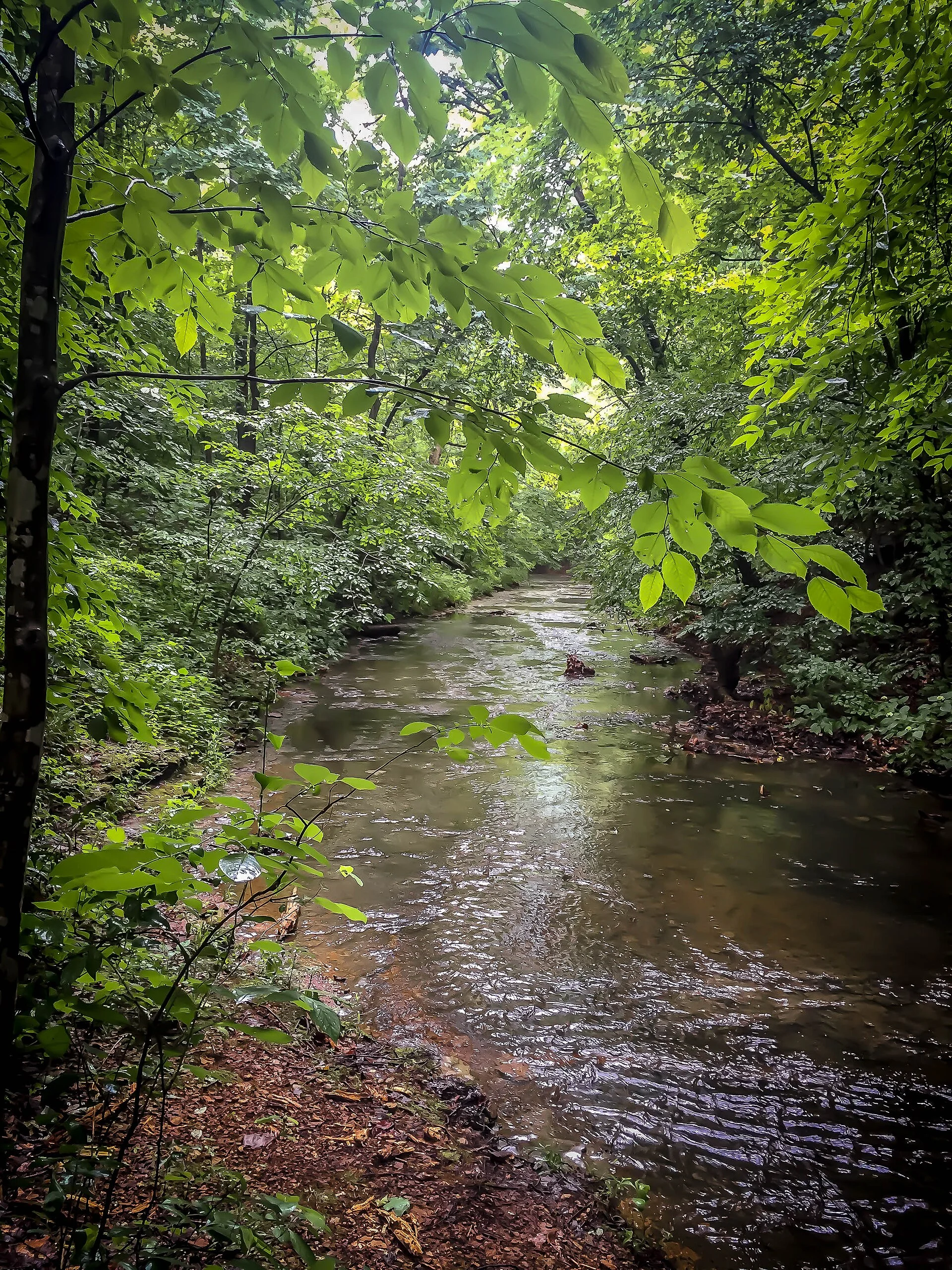
Fifteen miles from Broadway’s neon, Nashville has 1,600 acres of forest that most tourists never find. Beaman Park sits on the Western Highland Rim — steep wooded ridges, spring-fed creeks cutting through limestone hollows, and one of the finest wildflower displays in the Southeast.
Every April, the Henry Hollow Loop erupts — dwarf larkspur, fire pinks, shooting stars, wild geranium, woodland phlox, and the occasional lady’s slipper orchid. The rare Eggert’s sunflower — once federally threatened — grows on the south-facing limestone barrens. Nashville thinks of itself as Music City. Beaman Park is Nature City.
What to See
| Feature | Details |
|---|---|
| Henry Hollow Loop | 2-mile loop along Henry Creek. THE spring wildflower trail. Dwarf larkspur, fire pinks, wild geranium, shooting stars, woodland phlox. Level terrain then climbs into the ridges. April is peak |
| Ridgetop Trail | Higher elevation hiking through mixed hardwood forest. Views across the Highland Rim. White oak, shortleaf pine (uncommon in Middle Tennessee). Connects to the trail network |
| Laurel Woods Loop | 12+ mile rugged loop for serious hikers. Deep forest, remote hollows, elevation changes. Full-day hike in Nashville’s backyard |
| Nature Center | Natural history displays, library, microscope station for viewing specimens. 300-foot accessible boardwalk. Pollinator garden. Educational programs and guided wildflower hikes |
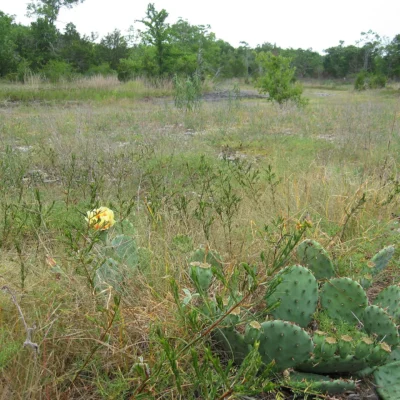
| Limestone Barrens | Rare plant community on south-facing slopes — native perennial grasses and the formerly threatened Eggert’s sunflower. A micro-habitat that exists nowhere else in Nashville |
The Wildflower Calendar
| Month | What’s Blooming |
|---|---|
| March | Hepatica, bloodroot, spring beauty. The earliest ephemeral wildflowers — the first signs of the forest floor waking up |
| April | Peak season — dwarf larkspur, fire pinks, dwarf-crested iris, wild geranium, shooting stars, violets, woodland phlox. The Henry Hollow Loop at its absolute best |
| May | Lady’s slipper orchids (rare). Jack-in-the-pulpit. Solomon’s seal. The canopy leafing out overhead. Late spring transition |
| Summer–Fall | Eggert’s sunflower on the limestone barrens (July–September). Goldenrod and asters in autumn. Different but still rewarding |
Best Time to Visit
| Season | Best For |
|---|---|
| Spring (Mar–May) | 🌸 THE season. Ephemeral wildflowers blanket the forest floor. Henry Hollow at peak bloom. The reason this park exists |
| Fall (Oct–Nov) | 🍂 Hardwood foliage on the ridges. Cool hiking weather. Asters and goldenrod. The trails are quiet and golden |
| Summer (Jun–Aug) | Full canopy shade. Hot and humid. Eggert’s sunflower blooming. Early morning hiking recommended |
| Winter (Dec–Feb) | Bare trees reveal the geology — limestone outcrops, creek structure. Quiet hiking. Mild Tennessee winters allow year-round access |
Frequently Asked Questions
Is this really in Nashville?
Yes — 15 miles from downtown Nashville in northwestern Davidson County. It feels like deep country, but it’s within city limits. One of the largest urban natural areas in the Southeast.
When should I go for wildflowers?
Mid-April is peak. The Henry Hollow Loop is the best trail for wildflowers. Check the Nature Center or Friends of Beaman Park for bloom reports — the window is short but spectacular.
Make it a road trip: Pair a visit with Bicentennial Capitol Mall State Park (a short drive away) or Harpeth River State Park (a short drive away).
🌸 Nashville’s Other Music — the One the Wildflowers Play in April
1,600 acres of ridge-and-hollow forest, 15 minutes from Broadway. Fire pinks and lady’s slippers instead of neon. The Henry Hollow Loop in April is Nashville’s best-kept secret.
Wildlife & Nature
Beaman Park SNA — 1,700 acres near Nashville — preserves some of the last remaining old-growth forest in the Nashville basin. The park’s wildflower displays are legendary — over 600 plant species documented. White-tailed deer, barred owls, and pileated woodpeckers inhabit the forest. Box turtles cross the trails.
Nearby Attractions
Nashville — 15 miles southeast — has Broadway honky-tonks, the Grand Ole Opry, and the Ryman Auditorium. Warner Parks — nearby. Bells Bend — adjacent.

🐾 Dogs & Pets at Beaman Park State Natural Area
- Pets allowed? statewide rule
- Dogs, cats and other pets are permitted in Tennessee State Parks, including all campgrounds, if leashed, crated or otherwise under physical restrictive control at all times.
- Leash rule statewide rule
- 6 ft physical leash required; pets must not be left unattended
- Beaches & swim areas statewide rule
- Pets are prohibited on designated swimming beaches and at pools at all times
- Cabins & lodging statewide rule
- Pets prohibited in park lodges and cabins except designated pet-friendly units; each park offers a limited number of pet-friendly lodge rooms and one pet-friendly cabin ($20 per pet per night)
- Pet fees statewide rule
- No day-use or campground pet fee; $20 per pet per night in designated lodge rooms/cabins
- Statewide exceptions statewide rule
- Park management may post additional no-pet areas on trails; proof of rabies vaccination may be required
Are dogs allowed at Beaman Park State Natural Area?
Dogs, cats and other pets are permitted in Tennessee State Parks, including all campgrounds, if leashed, crated or otherwise under physical restrictive control at all times. Individual parks can post stricter rules — check signage on arrival.
Rules verified July 2026 via tnstateparks.com. More: Tennessee state parks guide · Dog rules in all 50 states compared
Park Location
Plan your gear for Beaman Park State Natural Area
From our editorial guides, matched to this park’s activities: