🌤 Weather at Binney Pond Natural Area by season
| Spring | Summer | Fall | Winter |
|---|---|---|---|
| 22–66 °F | 52–79 °F | 30–70 °F | 14–36 °F |
Each range runs from the coldest monthly average low to the warmest monthly average high in that season (1991-2020 climate normals), measured at Greenville 1 NNE, 4 mi away, elevation 900 ft. Conditions at the park can differ from the station, especially where elevation differs — check a forecast before you go.

🏆 Hidden Bog Gem — Secluded pond and bog ecosystem in the Monadnock Region — a quiet natural area protecting rare wetland habitat
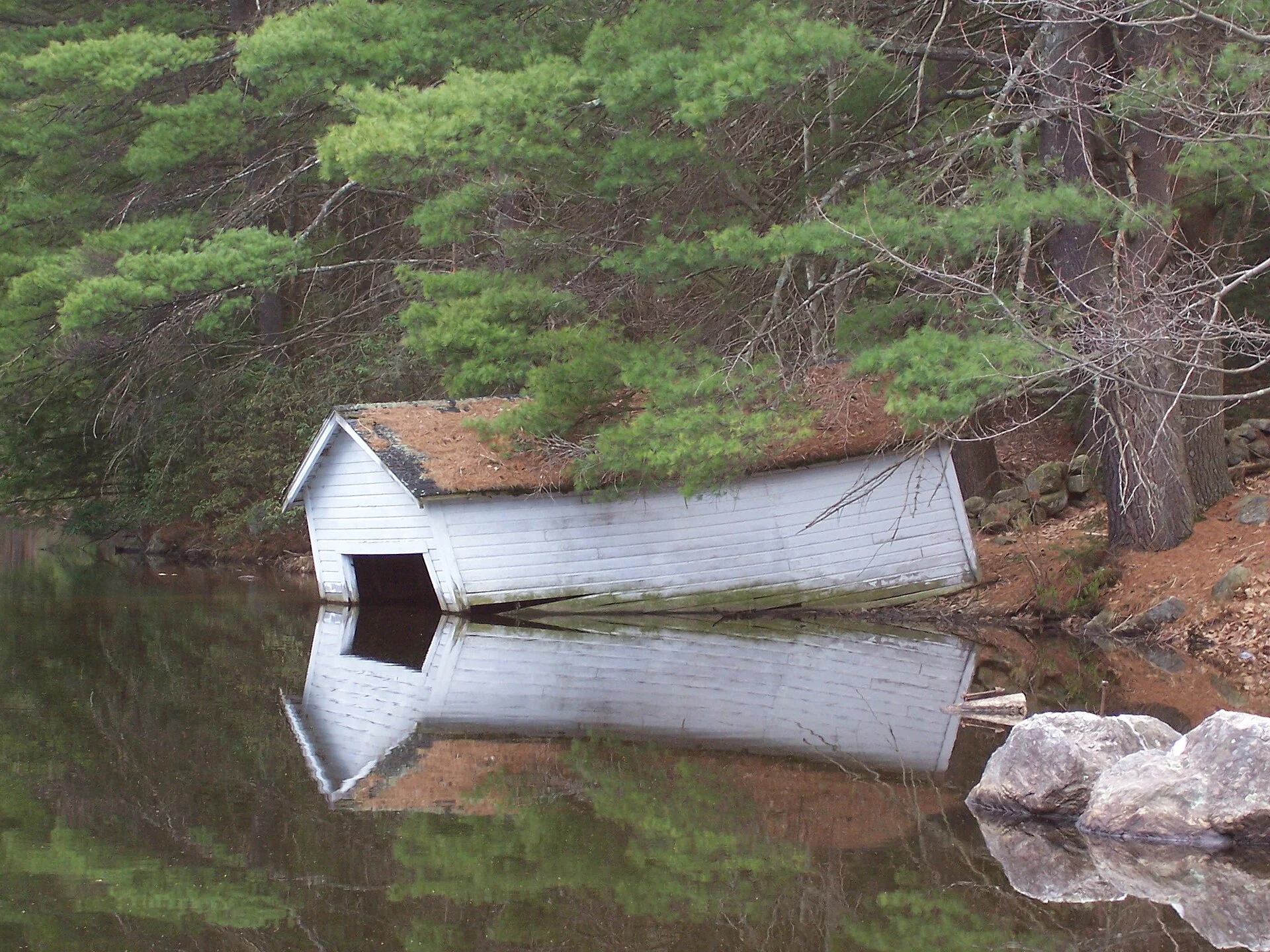
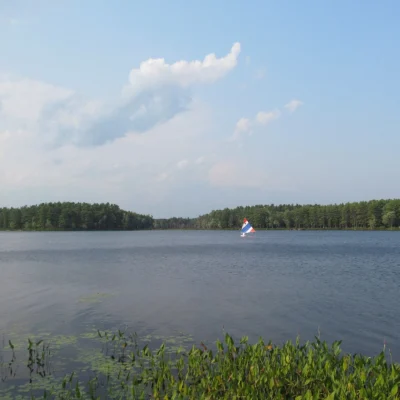
Binney Pond Natural Area protects a secluded pond and surrounding bog ecosystem in the Monadnock Region of southwestern New Hampshire. The area supports a classic New England bog succession — from open water to floating sphagnum mat to black spruce forest. Carnivorous sundew and pitcher plants thrive on the nutrient-poor floating mat, and the pond attracts nesting loons and wood ducks. The Monadnock Region takes its name from Mount Monadnock — the most climbed mountain in North America (and second in the world after Mount Fuji).
Visitor Information
| Detail | Information |
|---|---|
| Location | New Ipswich, Hillsborough County, NH |
| Entry Fee | Free |
| Ecosystem | Bog succession — sundew, pitcher plants! |
| Region | Monadnock — most climbed mountain in North America! |
About Binney Pond
Binney Pond Natural Area in New Ipswich protects a kettle pond — a glacial feature formed when a block of ice left behind by the retreating glacier melted, creating a bowl-shaped depression. The pond, surrounded by sphagnum bog and Atlantic white cedar swamp, supports carnivorous sundews and other bog-adapted species. These kettle ponds are common across New England’s glaciated landscape.
Things to Do
Observing the kettle pond ecosystem, birdwatching, studying bog plants including carnivorous sundews, nature photography, and learning about glacial geology.
Insider Tips
Bog ecology: Binney Pond is a kettle hole bog — formed when a chunk of glacial ice was buried, melted, and left a depression that filled with water. Pro tip: The bog supports carnivorous sundews and pitcher plants — species adapted to the nutrient-poor, acidic conditions. Glacial landscape: New Hampshire’s landscape is defined by glaciation — every lake, pond, and valley was shaped by ice.
Best Time to Visit
Summer: Bog plants in bloom — carnivorous plants active. Fall: Bog color change. Spring: Early wildflowers. Year-round: Bog ecology visible in all seasons.
Frequently Asked Questions
What is a kettle hole?
A kettle hole forms when a retreating glacier leaves behind a buried block of ice — as the surrounding sediment settles and the ice melts (sometimes over centuries), a depression remains. Fill it with water and you get a kettle pond. New Hampshire has hundreds of kettle ponds — they’re a signature feature of the glacial landscape. Many develop into bogs over thousands of years.
Make it a road trip: Pair a visit with Miller State Park (a short drive away) or Pack Monadnock Mountain (a short drive away).
🌿 Visit Binney Pond Natural Area
Hidden bog gem in the Monadnock Region — carnivorous plants and loons.
Wildlife & Nature
Binney Pond Natural Area — a small nature preserve — protects a glacial kettle pond and surrounding wetland habitat. Kettle ponds — formed when blocks of glacial ice melted in place 12,000+ years ago — are a signature feature of New Hampshire’s post-glacial landscape. The pond supports painted turtles, bullfrogs, and green frogs. Great blue herons fish from the shore. Red-winged blackbirds nest in the cattail marshes.
Nearby Attractions
The natural area provides a quiet nature study destination. Local town trails may connect to the site. New Hampshire’s Lakes Region offers dozens of glacial lakes and ponds for recreation.

🐾 Dogs & Pets at Binney Pond Natural Area
- Pets allowed? statewide rule
- Many NH state parks allow pets year-round, but policies vary by park and some parks prohibit pets entirely.
- Leash rule statewide rule
- Standard or retractable leash not greater than 6 feet required; animals may not be left unattended.
- Beaches & swim areas statewide rule
- Pets are prohibited at beaches and designated swim areas seasonally from May 1 through September 30.
- Cabins & lodging statewide rule
- Pets are permitted at 13 campgrounds (including Bear Brook, Coleman, Greenfield, Lake Francis, Milan, Mollidgewock, Moose Brook, Pawtuckaway, Pillsbury, Sunapee and Umbagog); cabin/yurt rules vary by park — check before booking.
- Statewide exceptions statewide rule
- Monadnock, North Hampton State Beach, Odiorne Point and most of Rhododendron State Park prohibit pets year-round; Crawford Notch, Franconia Notch and Mount Washington allow pets only on hiking trails and designated dog-walk areas.
Are dogs allowed at Binney Pond Natural Area?
Many NH state parks allow pets year-round, but policies vary by park and some parks prohibit pets entirely. Individual parks can post stricter rules — check signage on arrival.
Rules verified July 2026 via nhstateparks.org. More: New Hampshire state parks guide · Dog rules in all 50 states compared
Park Location
Plan your gear for Binney Pond Natural Area
From our editorial guides, matched to this park’s activities:
Top Tours & Activities Near Manchester
 from $48
 from $50
 from $20