Cape May Lighthouse
🌤 Weather at Cape May Lighthouse by season
| Spring | Summer | Fall | Winter |
|---|---|---|---|
| 35–71 °F | 63–86 °F | 41–79 °F | 28–48 °F |
Each range runs from the coldest monthly average low to the warmest monthly average high in that season (1991-2020 climate normals), measured at Cape May 2 NW, 2 mi away, elevation 20 ft. Conditions at the park can differ from the station, especially where elevation differs — check a forecast before you go.

🏮 Historic Jersey Cape Lighthouse & Birding Capital — One of America’s oldest lighthouses (1859, 199 steps to the top), premier East Coast birding with 400+ species on the Atlantic Flyway, panoramic views where the Atlantic Ocean meets Delaware Bay, whale and dolphin watching, Cape May Victorian historic district, and nature trails through coastal wetlands
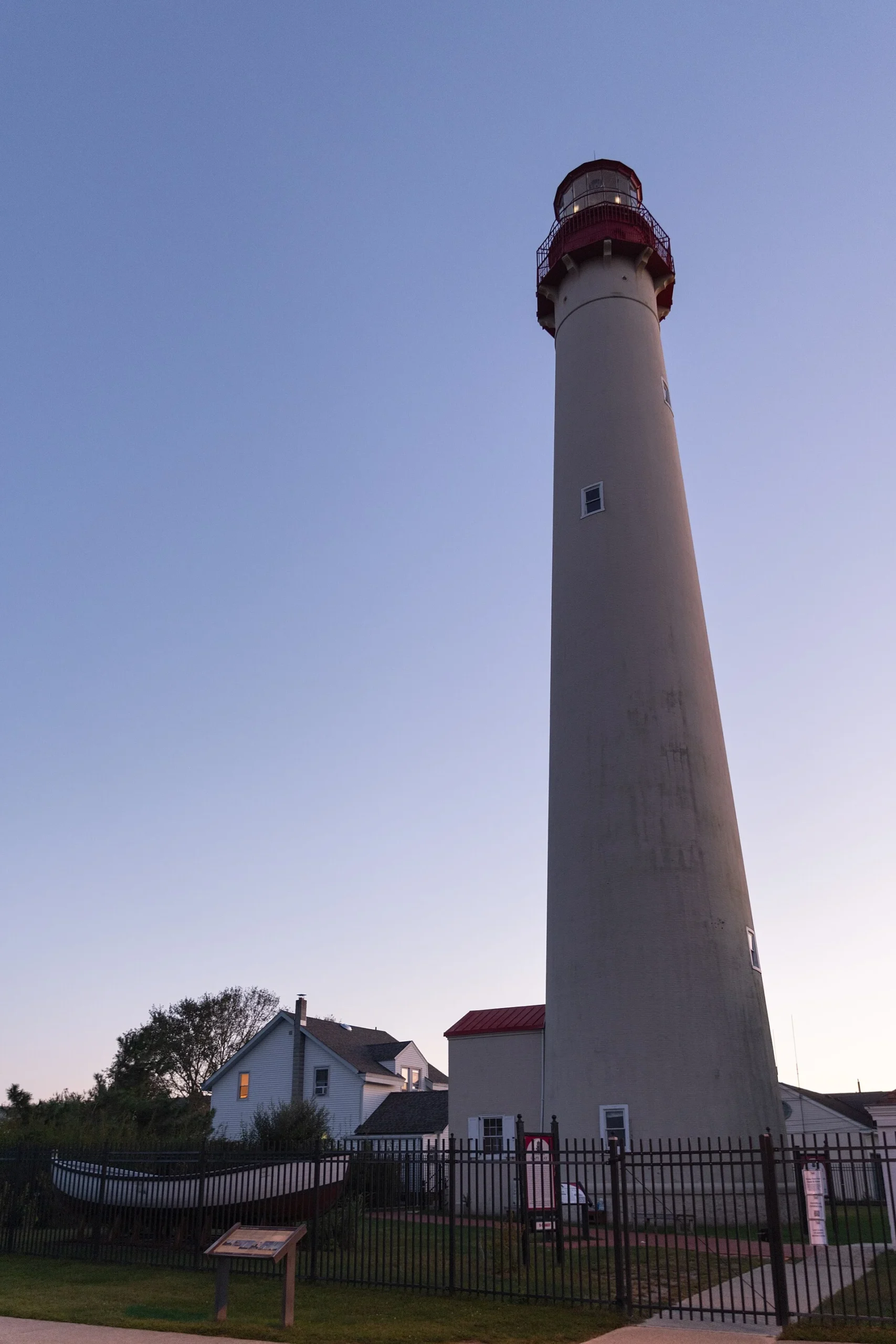
At the southernmost tip of New Jersey — where the Atlantic Ocean collides with the Delaware Bay in a swirl of currents that has wrecked ships for centuries — a brick lighthouse has stood watch since 1859, guiding mariners past the treacherous shoals of Cape May Point. The Cape May Lighthouse is one of the oldest operating lighthouses in the United States, and climbing its 199 iron steps to the gallery deck rewards visitors with a 360-degree panorama that encompasses two bodies of water, three states (New Jersey, Delaware, and Pennsylvania on clear days), and one of the most ecologically important coastal junctions on the Eastern Seaboard.
But Cape May is far more than a lighthouse. The cape’s unique geographic position — a narrow peninsula jutting into the confluence of ocean and bay — makes it the premier birding destination on the East Coast. The cape sits directly on the Atlantic Flyway, and its funnel-shaped geography concentrates migrating birds into spectacular concentrations every spring and fall. Over 400 species have been recorded here, and during peak fall migration (September-November), thousands of hawks, falcons, songbirds, and monarch butterflies pass through in waves that draw birders from around the world.
The Lighthouse
| Feature | Details |
|---|---|
| Built | 1859 (third lighthouse on this site) |
| Height | 157 feet — 199 iron steps to the gallery |
| Status | Active — still guides ships today |
| Views | 360° — Atlantic Ocean, Delaware Bay, 3 states on clear days |
| Managed By | Mid-Atlantic Center for the Arts & Humanities (MAC) |
Birding — 400+ Species
| Season | Best For | Highlights |
|---|---|---|
| Fall (Sep-Nov) | Hawk migration, songbirds | Thousands of raptors, peak diversity |
| Spring (Apr-May) | Shorebirds, warblers | Horseshoe crab spawning → red knots, sanderlings |
| Summer | Nesting species, terns | Least terns, piping plovers |
| Winter | Waterfowl, seabirds | Snow buntings, razorbills, sea ducks |
Key birding sites nearby: Cape May Bird Observatory, The Meadows, Higbee Beach WMA, Cape May Hawk Watch Platform
Whale and Dolphin Watching
| Species | Season | Notes |
|---|---|---|
| Humpback Whales | Spring and fall | Feeding off the cape |
| Bottlenose Dolphins | May – October | Frequently seen from shore and boats |
| Right Whales | Winter | Rare but possible offshore |
Cape May Point State Park
| Feature | Details |
|---|---|
| Trails | Nature trails through coastal dunes and wetlands |
| Beach | Swimming, sunbathing (seasonal lifeguards) |
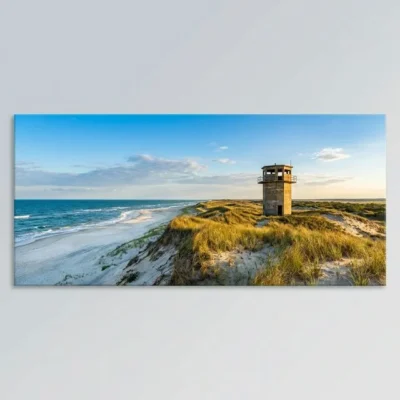
| Bunker | WWII concrete bunker on the beach (Battery 223) |
| Hawk Watch | Official platform — raptor counting station |
Cape May Victorian District
The town of Cape May — just minutes from the lighthouse — is a National Historic Landmark District featuring over 600 Victorian-era buildings, making it one of the best-preserved Victorian resort towns in the United States. Gaslit streets, gingerbread architecture, B&Bs, and Atlantic seafood restaurants create a quintessential East Coast beach town experience.
Essential Visitor Information
| Detail | Information |
|---|---|
| Lighthouse Address | 215 Lighthouse Avenue, Cape May Point, NJ 08212 |
| Season | Year-round (reduced winter hours) |
| Climb Fee | Adults ~$12, Children ~$8 (check capemaymac.org) |
| State Park | Free admission to Cape May Point State Park |
Getting There
- From Philadelphia: 90 miles south (~1 hour 45 minutes)
- From Atlantic City: 50 miles south (~1 hour)
- From New York City: 160 miles south (~3 hours)
- From Lewes, DE: Cape May-Lewes Ferry (~85 minutes crossing)
Wildlife & Nature
Cape May Lighthouse — built 1859 at 157 feet tall — stands at the southern tip of New Jersey. Cape May is one of the top birding destinations in the Western Hemisphere, funneling millions of migratory birds through its narrow peninsula. Hawks, falcons, warblers, and shorebirds concentrate here in fall. Horseshoe crabs spawn on the beaches in May.
Nearby Attractions
Cape May — adjacent — has Victorian architecture and the entire city is a National Historic Landmark. Cape May Bird Observatory — adjacent. Cape May-Lewes Ferry — nearby. Higbee Beach WMA — 3 miles north.
How many steps to the top of Cape May Lighthouse?
The Cape May Lighthouse has 199 iron steps from ground level to the gallery deck at 157 feet. The staircase is a spiral design inside the brick tower. The climb is self-paced, and the panoramic views from the top — spanning the Atlantic Ocean, Delaware Bay, and on clear days, three states — make it well worth the effort. The lighthouse was built in 1859 and is still an active navigational aid.
Why is Cape May one of the best birding spots in the US?
Cape May’s geographic position is key: it’s a narrow peninsula at the southern tip of New Jersey, directly on the Atlantic Flyway. During fall migration, the cape’s funnel shape concentrates southbound birds into massive numbers — they reach the tip and must either cross the Delaware Bay or rest. Over 400 species have been recorded in the area. During peak fall hawk migration (October), thousands of raptors pass through daily. Spring brings spectacular shorebird gatherings tied to horseshoe crab spawning in the Delaware Bay.
Insider Tips
Birding capital: Cape May is one of the top birding destinations in North America — the peninsula funnels millions of migrating birds through a narrow corridor each fall. Pro tip: Climb the lighthouse’s 199 steps for panoramic views. Monarch butterflies: Fall monarch migration rivals the bird spectacle.
Best Time to Visit
Fall: Peak bird and monarch migration (September-November). Spring: Horseshoe crabs and shorebird migration. Summer: Beach season. Winter: Raptor watching.
Frequently Asked Questions
Why is Cape May famous for birding?
Cape May’s peninsula geography funnels migrating birds along the Atlantic Flyway into a narrow point. This concentrates millions of birds — hawks, songbirds, and shorebirds — creating one of the most spectacular birding concentrations in North America. The Cape May Bird Observatory has monitored migration here since 1976.
More parks nearby: Cape May Point State Park is a short drive away, while Hereford Inlet Lighthouse lies a short drive away.

🐾 Dogs & Pets at Cape May Lighthouse
- Pets allowed? statewide rule
- Pets are allowed in NJ state parks and forests on leash but are prohibited from buildings, swimming beaches and non-designated campsites.
- Leash rule statewide rule
- Leash 6 feet or less, with the pet under physical control at all times.
- Beaches & swim areas statewide rule
- Pets are prohibited from swimming beaches and swimming waters statewide.
- Cabins & lodging statewide rule
- Pets are prohibited from cabins/lodging; the Pet Friendly Camping Program designates campsites at 13 areas (e.g. Round Valley all sites, Allaire 1-8, Bass River 1-85, Stokes 101-137) for up to two dogs or cats per permit.
- Pet fees statewide rule
- $5.00 per night additional charge for a pet-friendly campsite; no day-use pet fee.
- Statewide exceptions statewide rule
- Pet Friendly Camping requires current rabies vaccination with written proof at check-in; caged birds/reptiles only allowed inside RVs.
Are dogs allowed at Cape May Lighthouse?
Pets are allowed in NJ state parks and forests on leash but are prohibited from buildings, swimming beaches and non-designated campsites. Individual parks can post stricter rules — check signage on arrival.
Rules verified July 2026 via dep.nj.gov. More: New Jersey state parks guide · Dog rules in all 50 states compared
Park Location
Plan your gear for Cape May Lighthouse
From our editorial guides, matched to this park’s activities: