
🌤 Weather at Casey Jones State Trail by season
| Spring | Summer | Fall | Winter |
|---|---|---|---|
| 21–68 °F | 58–82 °F | 23–73 °F | 5–28 °F |
Each range runs from the coldest monthly average low to the warmest monthly average high in that season (1991-2020 climate normals), measured at Pipestone, 2 mi away, elevation 1,705 ft. Conditions at the park can differ from the station, especially where elevation differs — check a forecast before you go.

🏆 Railroad Heritage Trail — Rail trail named for the legendary railroad engineer Casey Jones
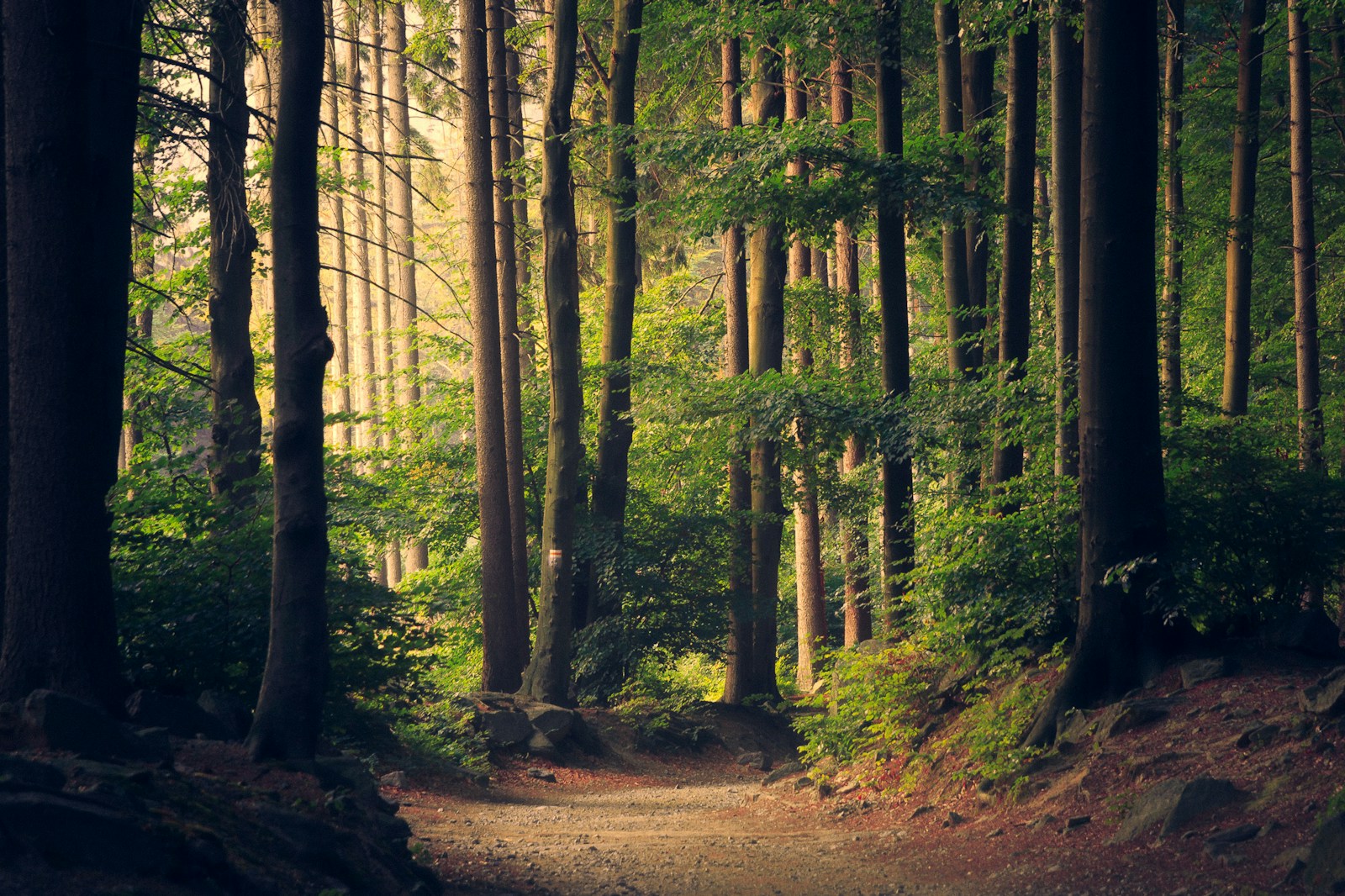
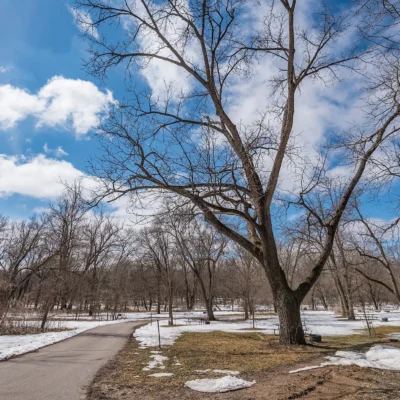
Casey Jones State Trail is a multi-use rail trail in southern Minnesota running from Pipestone to Lake Shetek. The trail follows the former railroad grade through the prairie landscape of southwestern Minnesota — one of the last remnants of the tallgrass prairie ecosystem that once covered 18 million acres of the state. The area is steeped in railroad history and Dakota heritage, with the trail passing through small farming communities that developed along the railroad in the 1870s.
Visitor Information
| Detail | Information |
|---|---|
| Location | Pipestone to Lake Shetek, SW Minnesota |
| Trail Type | Multi-use rail trail |
| Fee | Free (no pass required for hiking) |
| Landscape | Tallgrass prairie |
Frequently Asked Questions
Is this near Pipestone National Monument?
Yes — Pipestone National Monument, where Native Americans have quarried sacred catlinite (pipestone) for centuries, is at the western terminus. It’s well worth a visit.
Why is Minnesota farmland so productive?
Glaciers deposited up to 200+ feet of rich, ground-up rock (till) across southern Minnesota during the last Ice Age. The tall-grass prairie then built organic-rich topsoil for 10,000 years. The combination of deep glacial deposits and prairie-built organic matter creates some of the most productive farmland on Earth.
Nearby state parks: If you have extra time, Split Rock Creek State Park is a short drive away, and Blue Mounds State Park is within about an hour’s drive.
🚂 Visit Casey Jones State Trail
Prairie rail trail — through Minnesota’s tallgrass to Pipestone country.
About Casey Jones Trail
Casey Jones State Trail runs 10 miles through southern Minnesota’s agricultural landscape on a former railroad corridor. Named for the legendary railroad engineer Casey Jones, the trail connects communities in Dodge and Mower counties through gently rolling terrain of corn and soybean fields interspersed with restored prairie patches.
Things to Do
Biking and hiking the paved trail, birdwatching for grassland species, cross-country skiing in winter, and enjoying the peaceful agricultural landscape of southern Minnesota.
Insider Tips
Railroad heritage: Named for the legendary railroad engineer, this rail-trail follows a former railroad corridor through the agricultural heartland of southern Minnesota. Pro tip: Minnesota has 25+ state trails — more paved trail miles than almost any other state. Prairie landscape: The trail crosses some of the richest farmland in the world — the glacial prairie soils are 200+ feet deep in places.
Best Time to Visit
Summer: Peak cycling season — long daylight hours. Fall: Harvest season — golden fields and comfortable temperatures. Spring: Green-up and bird migration. Winter: Snowmobiling.
Wildlife & Nature
Casey Jones Trail — a 10-mile paved trail named after the legendary railroad engineer — passes through southern Minnesota farmland. Ring-necked pheasants flush from the grass. Red-tailed hawks hunt from fence posts. White-tailed deer cross at dawn.
Nearby Attractions
Pipestone — near the trail — has the Pipestone NM. Lake Wilson — along the trail. Southwestern Minnesota prairie — surrounding.

🐾 Dogs & Pets at Casey Jones State Trail
- Pets allowed? statewide rule
- Pets are welcome in Minnesota state parks and recreation areas as long as they are leashed and personally attended at all times.
- Leash rule statewide rule
- Leash six feet or shorter (or portable enclosure) required at all times.
- Beaches & swim areas statewide rule
- Only service animals are allowed in beach areas — pets are prohibited on swim beaches statewide.
- Cabins & lodging statewide rule
- Only service animals are allowed in state park lodging, camper cabins, yurts and tipis — no pet-friendly cabin program.
- Statewide exceptions statewide rule
- Emotional support/therapy animals do not qualify as service animals and are prohibited from park buildings.
Are dogs allowed at Casey Jones State Trail?
Pets are welcome in Minnesota state parks and recreation areas as long as they are leashed and personally attended at all times. Individual parks can post stricter rules — check signage on arrival.
Rules verified July 2026 via dnr.state.mn.us. More: Minnesota state parks guide · Dog rules in all 50 states compared
Park Location
Plan your gear for Casey Jones State Trail
From our editorial guides, matched to this park’s activities:


Top Tours & Activities Near Sioux Falls
 from $110
 from $12
 from $10