
🌤 Weather at Caspar Headlands State Natural Reserve by season
| Spring | Summer | Fall | Winter |
|---|---|---|---|
| 41–60 °F | 47–65 °F | 43–65 °F | 40–54 °F |
Each range runs from the coldest monthly average low to the warmest monthly average high in that season (1991-2020 climate normals), measured at Fort Bragg 5 N, 11 mi away, elevation 123 ft. Conditions at the park can differ from the station, especially where elevation differs — check a forecast before you go.

🏆 Mendocino Coast Headlands — Dramatic rocky headlands with tide pools and whale watching on the Mendocino coast
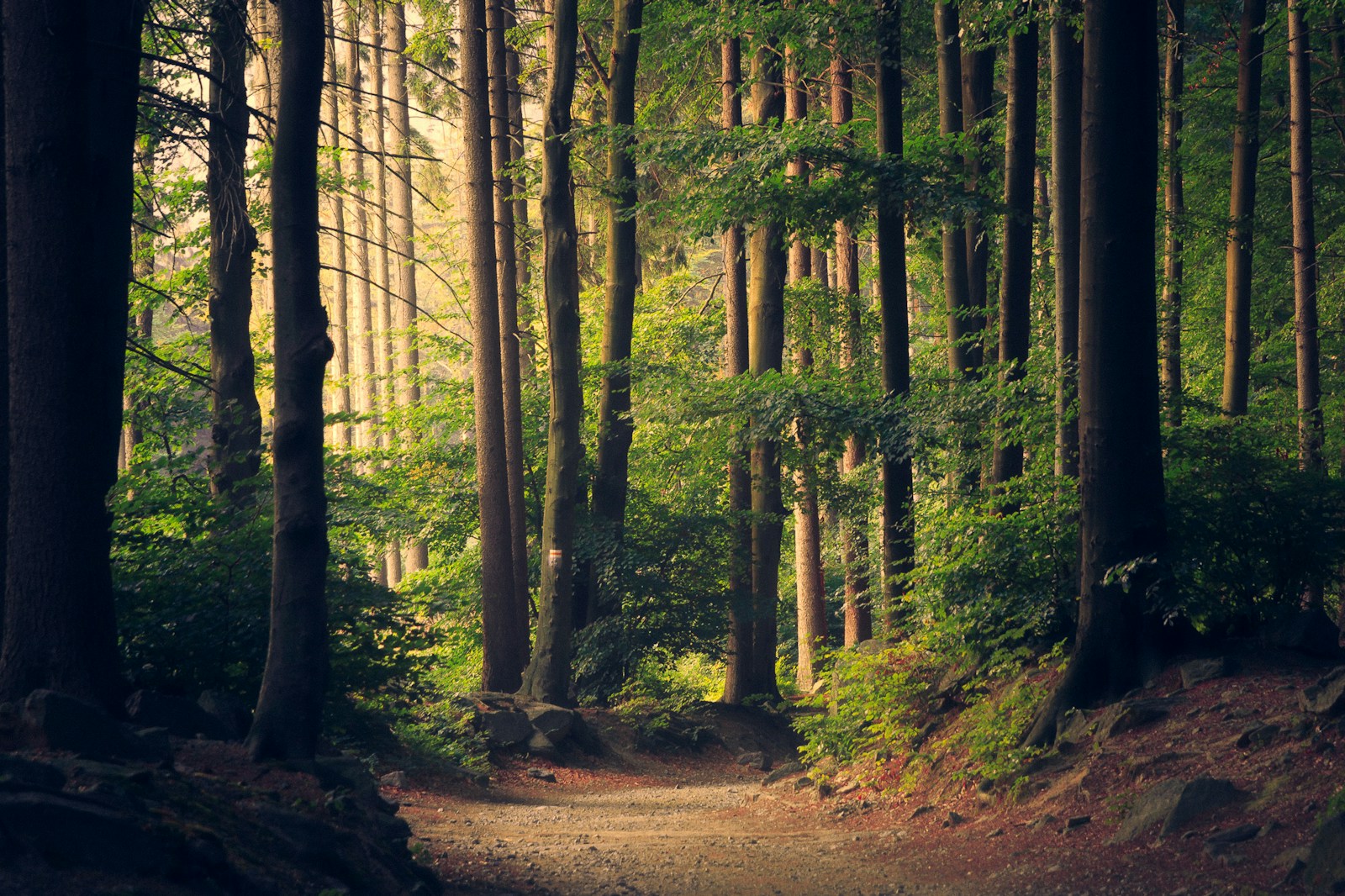
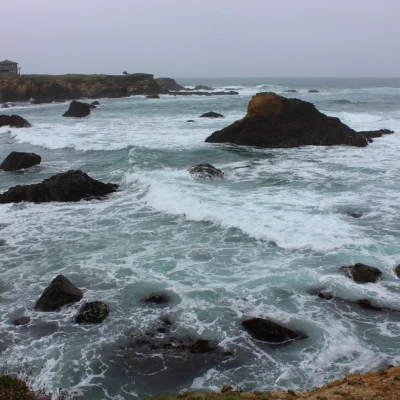
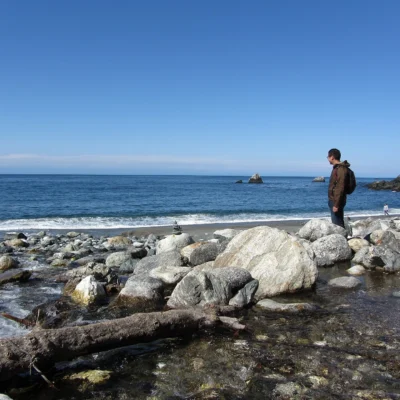
Caspar Headlands State Natural Reserve protects a rocky headland on the Mendocino coast north of the village of Caspar. The reserve’s wave-sculpted sandstone platforms, tide pools, and coastal bluffs provide outstanding tide pool exploration and whale watching during gray whale migration (December–April). The headlands offer panoramic Pacific Ocean views and are a popular spot for photography and coastal wildflower viewing in spring.
Visitor Information
| Detail | Information |
|---|---|
| Location | Caspar, Mendocino County, CA |
| Entry Fee | Free |
| Features | Tide pools, whale watching, coastal bluffs |
| Whale Season | Dec–Apr (gray whale migration) |
Frequently Asked Questions
When is the best tide pooling?
Check tide tables for minus tides (negative low tides), typically strongest in November–February. Arrive 1–2 hours before the lowest tide for the best exposure of intertidal life.
$a
How close do gray whales come to shore?
Gray whales often pass within 100-300 yards of the Mendocino headlands — close enough to see their spouts and even barnacles without binoculars. About 20,000 gray whales migrate 12,000 miles round trip between Alaska and Baja California each year — one of the longest animal migrations on Earth.
Nearby state parks: If you have extra time, Caspar Headlands State Beach is a short drive away, and Point Cabrillo Light Station SHP is a short drive away.
🐋 Visit Caspar Headlands SNR
Mendocino coast headlands — tide pools, whale watching, and Pacific panoramas.
About Caspar Headlands
Caspar Headlands protects a dramatic coastal headland north of Mendocino on the rugged North Coast, preserving pristine coastal prairie grassland with unobstructed ocean views. Gray whales pass close to shore during migration.
Things to Do
Whale watching from the bluffs, spring wildflower viewing, tidepooling, and photography. Caspar Beach offers swimming and kayaking in the sheltered cove below.
Insider Tips
Mendocino gem: Caspar Headlands protects dramatic coastal bluffs and tide pools on the Mendocino Coast — one of California’s most scenic stretches. Pro tip: The headlands are excellent for whale watching — gray whales pass within yards of shore during their December-April migration. Sea glass beach: Former dump sites along the Mendocino coast have been transformed into famous sea glass beaches — Caspar Beach is one of the best.
Best Time to Visit
December-April: Gray whale migration. Summer: Tide pooling at low tide (check tide charts). Fall: Clearest weather on the Mendocino coast. Spring: Wildflower bloom on the bluffs.
Wildlife & Nature
Caspar Headlands State Natural Reserve — on the Mendocino Coast — protects rare coastal prairie grassland on ocean-facing bluffs. The reserve’s grassland — one of the most endangered plant communities in California — supports native bunchgrasses and wildflowers. Peregrine falcons hunt from the headland. Gray whales pass close during migration. Tufted puffins may be spotted offshore (rare this far south).
Nearby Attractions
Caspar Headlands State Beach — adjacent — has a pocket beach. Mendocino — 5 miles north — has galleries and the headlands trail. Russian Gulch SP — 3 miles north — has the Devil’s Punchbowl blowhole. Van Damme SP — 7 miles south — has the pygmy forest.

🐾 Dogs & Pets at Caspar Headlands State Natural Reserve
- Pets allowed? statewide rule
- Dogs are permitted in California State Parks only in developed areas — campgrounds, picnic areas, parking lots and paved roads — and are prohibited on most trails, beaches and undeveloped areas unless specifically designated as dog-friendly.
- Leash rule statewide rule
- Maximum 6-foot leash at all times; dogs may not be left unattended.
- Beaches & swim areas statewide rule
- Dogs are prohibited on most state beaches; only beaches specifically designated as dog-allowed permit them (varies by park).
- Cabins & lodging statewide rule
- Pets are generally not allowed in buildings or cabins; overnight campers must keep dogs inside a tent or vehicle at night.
- Statewide exceptions statewide rule
- Designated dog-friendly trails and beaches vary park by park; misrepresenting a pet as a service animal is a misdemeanor.
Are dogs allowed at Caspar Headlands State Natural Reserve?
Dogs are permitted in California State Parks only in developed areas — campgrounds, picnic areas, parking lots and paved roads — and are prohibited on most trails, beaches and undeveloped areas unless specifically designated as dog-friendly. Individual parks can post stricter rules — check signage on arrival.
Rules verified July 2026 via parks.ca.gov. More: California state parks guide · Dog rules in all 50 states compared
Park Location
Plan your gear for Caspar Headlands State Natural Reserve
From our editorial guides, matched to this park’s activities:


Top Tours & Activities Near Mendocino
 from $172
 from $65
 from $286