🌤 Weather at Charles Towne Landing State Historic Site by season
| Spring | Summer | Fall | Winter |
|---|---|---|---|
| 52–79 °F | 74–88 °F | 53–83 °F | 44–61 °F |
Each range runs from the coldest monthly average low to the warmest monthly average high in that season (1991-2020 climate normals), measured at Charleston City, 4 mi away, elevation 10 ft. Conditions at the park can differ from the station, especially where elevation differs — check a forecast before you go.

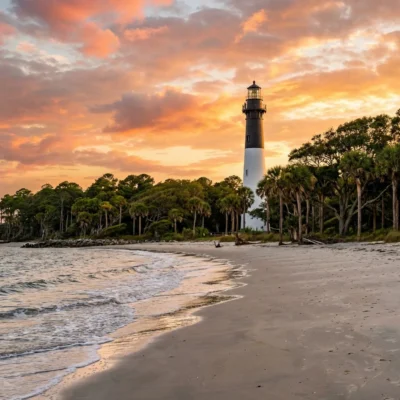
⛵ Where English America Began in the South — The 1670 Landing That Founded Charleston and the Carolina Colony — Charles Towne Landing State Historic Site in Charleston, South Carolina, exact site where English settlers established the first permanent settlement in Carolina in 1670, 664 acres, full-scale replica ship Adventure, 22-acre Animal Forest (natural habitat zoo), 12-room interactive museum, Avenue of Oaks (centuries-old live oaks), 80 acres of gardens, 6–7 miles of trails, Legare Waring House, archaeological sites, African-American cemetery, cannon demonstrations — Charleston County, SC
In April 1670, English settlers from Barbados sailed up the Ashley River and stepped ashore on a marshy bluff on the South Carolina coast. They called their settlement Charles Towne, after King Charles II. It was the first permanent English settlement in the Carolina colony — the seed from which Charleston, one of America’s most celebrated cities, would grow.
Today, that exact landing site is preserved as a 664-acre state historic site where you can walk the same ground, board a replica of a 17th-century trading vessel, and see the animals that would have greeted those first colonists — bears, bison, otters, and alligators — in one of the most unusual state parks in America.
What to Do
| Feature | Details |
|---|---|
| The Adventure | Full-scale replica of a 17th-century trading vessel. Board and explore the decks. Represents the ships that connected early Carolina to Barbados and the Caribbean trade |
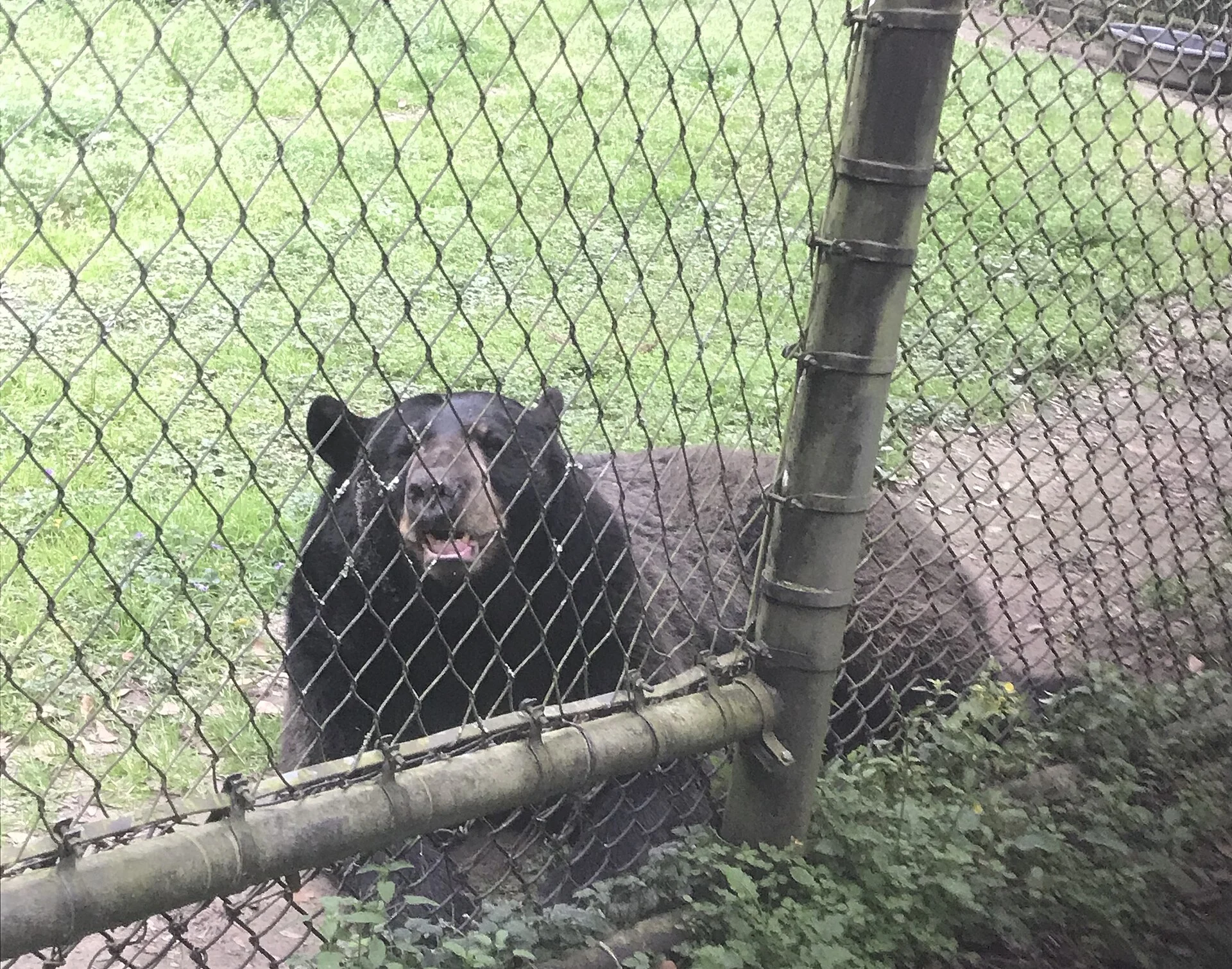
| Animal Forest | 22-acre natural habitat zoo — the only one of its kind in the Charleston area. Features species present in 1670: black bears, bison, river otters, pumas, alligators, deer, wolves, and raptors |
| Museum | 12-room interactive exhibit center. The story of the 1670 settlement, colonial life, trade, and the lives of the English, African, and Native American peoples who shaped early Carolina |
| Avenue of Oaks | Centuries-old live oaks draped in Spanish moss — one of the most photographed tree-lined paths in the Lowcountry |
| Gardens | 80 acres of historic gardens. Archaeologists have identified colonial-era crops: cotton, flax, sugarcane, and indigo |
| Trails | 6–7 miles of walking and biking trails through gardens, along the marsh, and through the historic landscape |
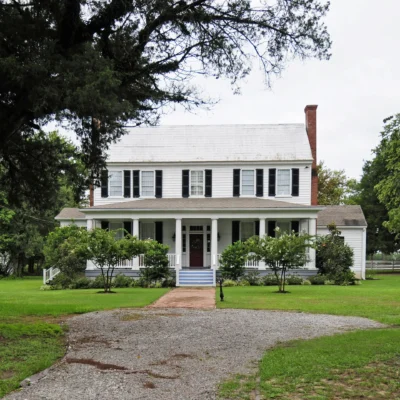
| Legare Waring House | Historic plantation house on the grounds. Popular for weddings and events |
| Archaeological Sites | Active and interpreted archaeological areas revealing the layers of 350+ years of history — colonial, plantation, and pre-colonial |
The History
| Year | Event |
|---|---|
| 1670 | English settlers from Barbados establish Charles Towne — first permanent English settlement in Carolina |
| 1680 | Settlement moves to the peninsula that becomes modern Charleston (better harbor, more defensible) |
| 1670–1720s | The site transitions to agricultural use — plantations, crops, and the emerging slave-based economy |
| 1970 | On the 300th anniversary, the site opens as a state park — South Carolina’s investment in preserving its founding story |
Best Time to Visit
| Season | Best For |
|---|---|
| Spring (Mar–May) | 🌸 Azalea and camellia bloom. Garden peak. Comfortable weather. Perfect for the trails |
| Fall (Oct–Nov) | 🍂 Cooler temps. Fewer mosquitoes. Beautiful Lowcountry light. Oak canopy golden |
| Summer (Jun–Aug) | Hot and humid (typical Charleston). Morning visits best. Animal Forest has shade |
| Winter (Dec–Feb) | Mild Charleston winters. Green year-round. Quiet. Excellent for history walks |
Frequently Asked Questions
Is this where Charleston was founded?
Yes — this is the exact spot where English settlers first landed in 1670. They later moved to the peninsula (modern Charleston) in 1680 for a better harbor, but this is where it all began.
Can I board the ship?
Yes — the Adventure is a full-scale, boardable replica. Walk the decks and imagine the 17th-century voyage from Barbados to Carolina.
Is the Animal Forest a regular zoo?
It’s a natural habitat zoo — animals live in settings that replicate 1670 Carolina. No cages. The 22 acres feature species the colonists would have encountered: bears, bison, otters, alligators, wolves. It’s educational and immersive.
Keep exploring: The closest neighbor is May Forest State Park (a short drive away).
⛵ Where Charleston Began
The exact 1670 landing site. A boardable replica ship. Bears and bison in a natural habitat zoo. The Avenue of Oaks. 664 acres of the story that started South Carolina.
Wildlife & Nature
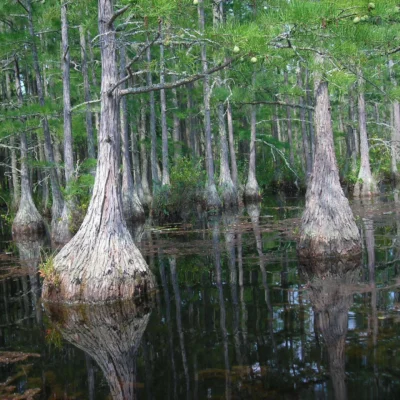
Charles Towne Landing SHS — the exact site where English colonists established the first permanent European settlement in South Carolina in 1670. The park’s maritime forest, marsh, and garden support an Animal Forest with native species including bison, pumas, bears, and alligators in natural habitats.
Nearby Attractions
Charleston — adjacent — one of America’s most historic cities. Ashley River — at the park. Drayton Hall — 5 miles up the Ashley.

🐾 Dogs & Pets at Charles Towne Landing State Historic Site
- Pets allowed? statewide rule
- Pets are allowed in most outdoor areas of South Carolina state parks provided they are kept under physical restraint or on a leash.
- Leash rule statewide rule
- Leash no longer than six feet (or other physical restraint) required at all times
- Cabins & lodging statewide rule
- Pets are not allowed in or around lodging facilities except in designated pet-friendly units at eight parks (Barnwell, Devils Fork, Dreher Island, Hickory Knob, Lake Hartwell, Oconee, Santee, Table Rock); up to two pets under 75 pounds each; additional charge applies
- Pet fees statewide rule
- Additional charge for pet-friendly cabins/villas; no fee for day use
- Statewide exceptions statewide rule
- Park staff may require removal of noisy or dangerous pets or pets that threaten wildlife
Are dogs allowed at Charles Towne Landing State Historic Site?
Pets are allowed in most outdoor areas of South Carolina state parks provided they are kept under physical restraint or on a leash. Individual parks can post stricter rules — check signage on arrival.
Rules verified July 2026 via southcarolinaparks.com. More: South Carolina state parks guide · Dog rules in all 50 states compared