🌤 Weather at Clayton Lake State Park by season
| Spring | Summer | Fall | Winter |
|---|---|---|---|
| 27–78 °F | 53–90 °F | 26–81 °F | 18–53 °F |
Each range runs from the coldest monthly average low to the warmest monthly average high in that season (1991-2020 climate normals), measured at Clayton 1 N, 10 mi away, elevation 5,000 ft. Conditions at the park can differ from the station, especially where elevation differs — check a forecast before you go.

New Mexico’s Dinosaur Trackway Park — 500+ Fossilized Footprints, International Dark Sky Park, Stocked Fishing Lake, Stargazing Observatory
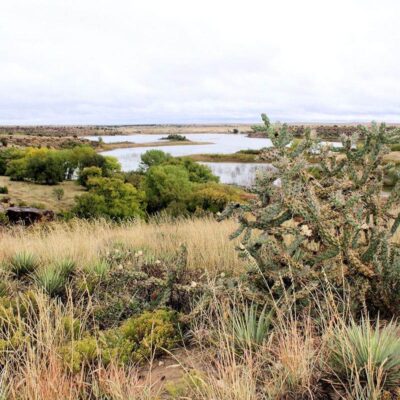
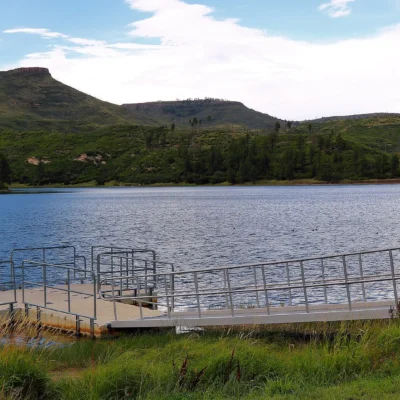
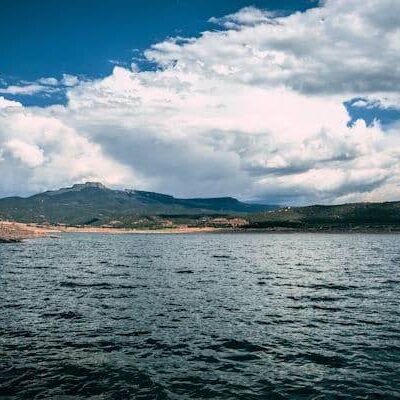
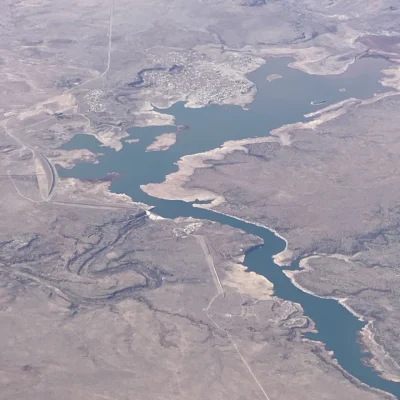
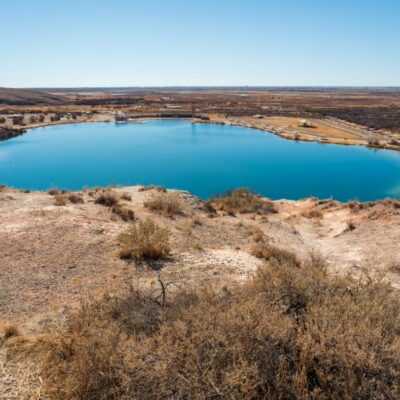
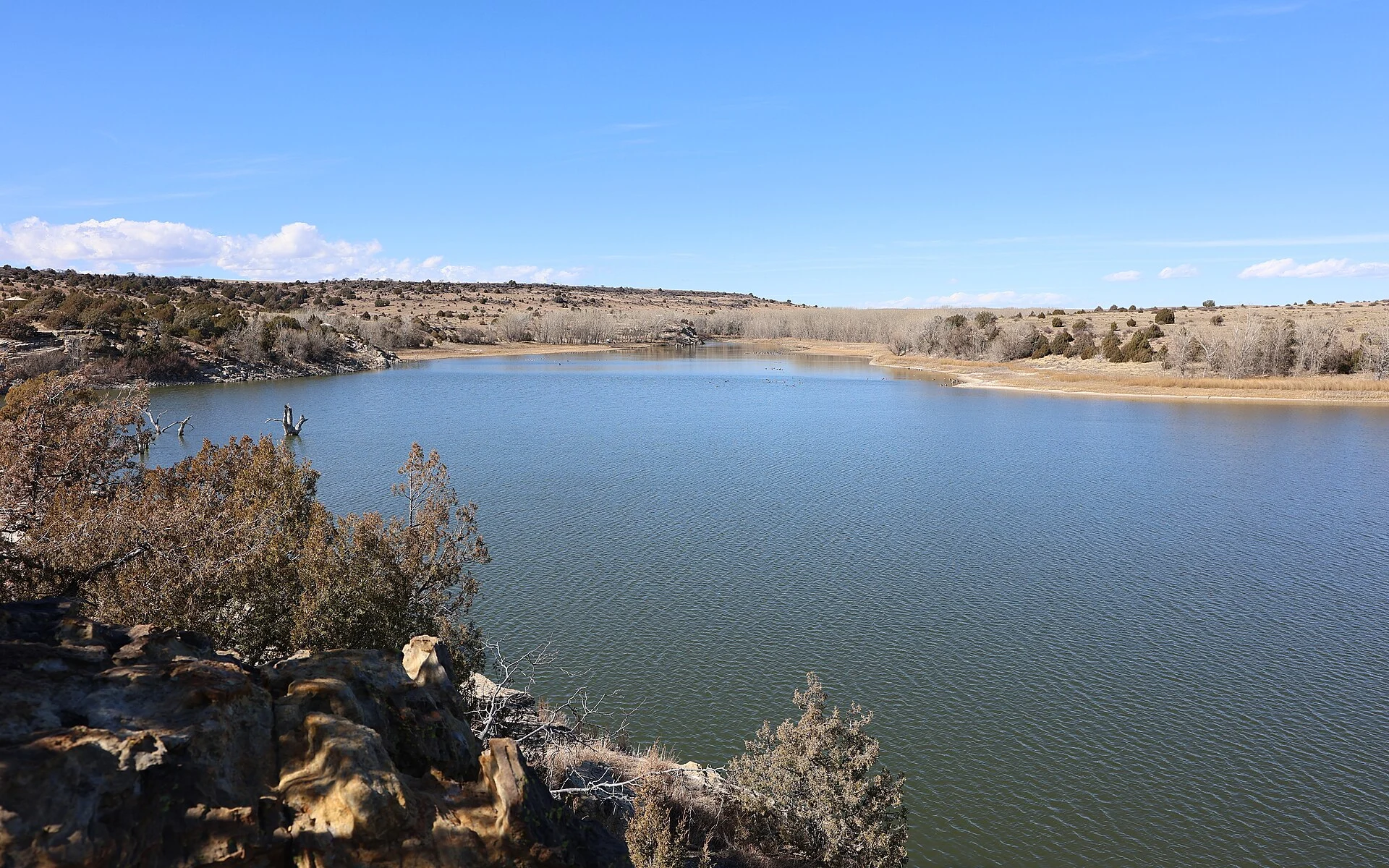
Clayton Lake State Park is a state park at 141 Clayton Lake Road, Clayton, Union County, New Mexico. The park features over 500 fossilized dinosaur footprints on the spillway — one of the most extensive dinosaur trackways in North America, an International Dark Sky Park designation (2010) with an on-site observatory, a stocked fishing lake with trout, walleye, bass, crappie, bluegill, and catfish, and multiple campgrounds with electric hookups and showers.
Clayton Lake is where paleontology meets stargazing — by day, walk the elevated boardwalk over 500+ dinosaur footprints preserved in rock on the dam spillway. These 100-million-year-old tracks from ornithopods, theropods, and pterosaurs are best viewed in early morning or late afternoon light when shadows define the prints. An interpretive gazebo explains the ancient ecosystem.
By night, the park transforms into one of the darkest sky sites in North America — its 2010 International Dark Sky Park designation recognizes the exceptional stargazing conditions in northeastern New Mexico’s high plains. The on-site observatory hosts public viewing events and astrophotography opportunities.
Dinosaur Trackways
- 500+ fossilized footprints — one of North America’s most extensive
- Multiple species represented — ornithopods, theropods, pterosaurs
- Elevated boardwalk — close-up viewing above the tracks
- Interpretive signage and gazebo
- Best viewing — morning or late afternoon (shadow-dependent)
Fishing
| Species | Season | Notes |
|---|---|---|
| Trout | March – October | State-stocked |
| Walleye | March – October | Popular target |
| Bass | March – October | Largemouth |
| Crappie | March – October | Good numbers |
| Bluegill | March – October | Family-friendly |
| Channel Catfish | March – October | Bottom fishing |
Note: Lake is closed to fishing in winter to serve as a migratory waterfowl refuge. Boats permitted at trolling speed only.
Things to Do
- Dinosaur trackway viewing — 500+ prints, boardwalk
- Stargazing — International Dark Sky Park, observatory
- Fishing — stocked lake, 6 species
- Camping — electric hookups, showers
- Boating — trolling speed only
- Birding — winter waterfowl refuge
- Photography — tracks + night sky
Park Information
| Feature | Details |
|---|---|
| Location | 141 Clayton Lake Rd, Clayton, NM |
| Directions | US-64 N on Hwy 370 ~11 mi, W on Hwy 455 ~1 mi |
| Dinosaur Tracks | 500+ footprints — spillway boardwalk |
| Dark Sky | International Dark Sky Park since 2010 |
| Camping | Multiple campgrounds — electric hookups, showers |
| Fishing | March – October, trolling speed only |
| Managed By | NM State Parks |
| Coordinates | 36.5763, -103.3055 |
Wildlife & Nature
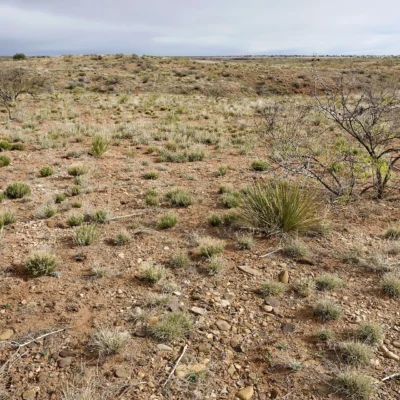
Clayton Lake SP — preserves over 500 dinosaur tracks from at least eight different species — dating to 100 million years ago. The tracksite is one of the most significant dinosaur trackways in North America. The park’s high plains, lake, and grassland support pronghorn, mule deer, and bald eagles. An International Dark Sky Park.
Nearby Attractions
Clayton — 12 miles south. Union County — surrounding. Capulin Volcano NM — 50 miles southwest.
Frequently Asked Questions
Where can you see dinosaur footprints in New Mexico?
Clayton Lake State Park near Clayton, NM, has one of North America’s most extensive dinosaur trackways — over 500 fossilized footprints from ornithopods, theropods, and pterosaurs preserved in rock on the dam spillway. An elevated boardwalk provides close-up views. Best viewed in morning or late afternoon when shadows define the prints. The park is also an International Dark Sky Park with an observatory.
Is Clayton Lake State Park good for stargazing?
Clayton Lake State Park is one of New Mexico’s premier stargazing destinations — designated an International Dark Sky Park in 2010. Located on the remote high plains of northeastern NM, the park features exceptional darkness and an on-site observatory for public viewing events. Camp overnight to combine dinosaur track viewing by day with astrophotography by night.
Last updated: May 2026
More parks nearby: Sugarite Canyon State Park is elsewhere in the state, while Ute Lake State Park lies elsewhere in the state.

🐾 Dogs & Pets at Clayton Lake State Park
- Pets allowed? statewide rule
- Pets are allowed at most New Mexico state parks and must be on a leash at all times.
- Leash rule statewide rule
- Leash required at all times, maximum 10 feet in length
- Statewide exceptions statewide rule
- Only service dogs are allowed at Rio Grande Nature Center and Living Desert Zoo & Gardens State Parks; pets may not be left unattended
Are dogs allowed at Clayton Lake State Park?
Pets are allowed at most New Mexico state parks and must be on a leash at all times. Individual parks can post stricter rules — check signage on arrival.
Rules verified July 2026 via emnrd.nm.gov. More: New Mexico state parks guide · Dog rules in all 50 states compared
Park Location
Plan your gear for Clayton Lake State Park
From our editorial guides, matched to this park’s activities: