🌤 Weather at Cold Springs State Park by season
| Spring | Summer | Fall | Winter |
|---|---|---|---|
| 25–73 °F | 60–86 °F | 25–78 °F | 10–36 °F |
Each range runs from the coldest monthly average low to the warmest monthly average high in that season (1991-2020 climate normals), measured at Atlantic 1 NE, 10 mi away, elevation 1,152 ft. Conditions at the park can differ from the station, especially where elevation differs — check a forecast before you go.

🏆 Prairie Springs — Small park protecting natural cold springs in the Iowa prairie — one of the few remaining natural spring-fed areas in the state
Cold Springs State Park protects natural cold springs emerging from the Iowa landscape — one of the few remaining undisturbed spring-fed areas in a state that has been 99.9% altered by agriculture. Iowa has lost more of its original landscape than almost any other state — before settlement, 85% of Iowa was tallgrass prairie (the most productive grassland ecosystem on Earth), and 99.9% of that prairie is now farmland. Iowa’s topsoil (some of the richest in the world — up to 16 inches deep!) was built by 10,000 years of prairie grass decomposition. The springs at Cold Springs flow year-round at a constant cool temperature.
Visitor Information
| Detail | Information |
|---|---|
| Location | Iowa |
| Entry Fee | Free |
| Prairie Loss | 99.9% of original prairie GONE! |
| Topsoil | 16 inches — richest in world! |
About Cold Springs
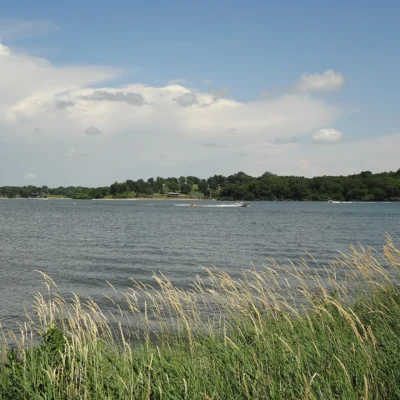
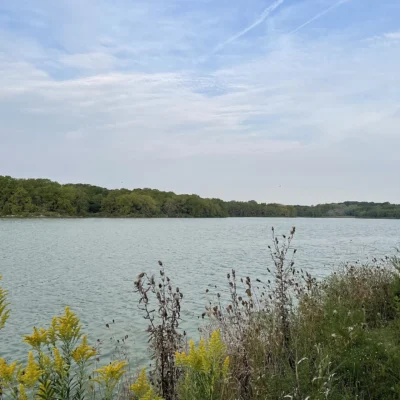
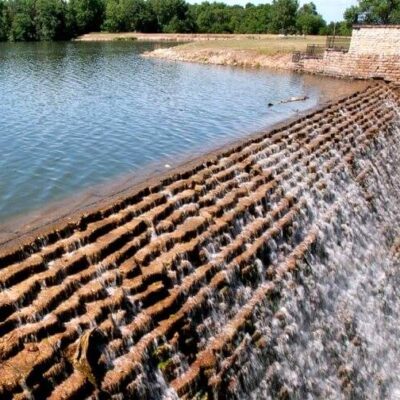
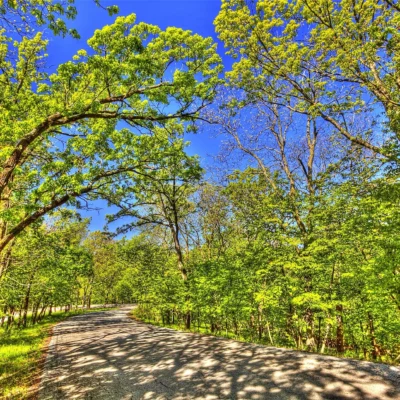
Cold Springs State Park in Cass County covers over 60 acres in the rolling hills of southwestern Iowa’s Loess Hills — a landform found only in Iowa and parts of China. The park features a spring-fed pond, oak-hickory forest, and interpretive trails through the unique wind-deposited soil formations. The cold spring that gives the park its name still flows year-round.
Things to Do
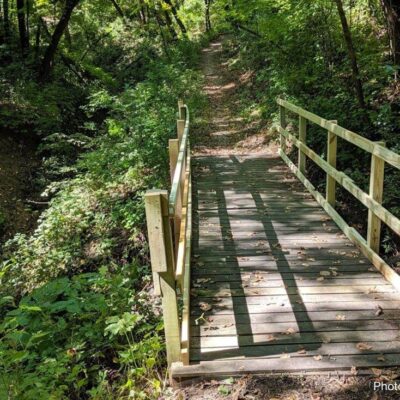
Hiking on interpretive trails through the Loess Hills, fishing in the spring-fed pond, picnicking, wildlife observation, and cross-country skiing in winter. The park is part of the broader Loess Hills Scenic Byway route.
Insider Tips
Drift Prairie: Cold Springs sits on Iowa’s glacial drift prairie — thick deposits of glacial debris that created some of the world’s most fertile soil. Pro tip: Iowa’s topsoil is 14-16 inches deep on average — among the deepest and richest on Earth. Tallgrass prairie: Iowa was once 85% tallgrass prairie — less than 0.1% of original prairie survives.
Best Time to Visit
Summer: Prairie wildflowers and swimming. Fall: Harvest season. Spring: Green-up. Winter: Cross-country skiing.
Frequently Asked Questions
Why is Iowa’s soil so fertile?
Iowa’s fertility comes from two sources: deep glacial deposits (loess — wind-blown silt) and thousands of years of tallgrass prairie. Prairie roots penetrate 10-15 feet deep — when they die, they create deep, rich topsoil. Iowa’s 14-16 inches of topsoil is among the deepest on Earth. This natural endowment makes Iowa the most productive farmland in America — the state produces 15%+ of US corn and soybeans.
More parks in Iowa: Lake Anita State Park and Viking Lake State Park. See the full Iowa state parks guide.

🐾 Dogs & Pets at Cold Springs State Park
- Pets allowed? statewide rule
- Pets are allowed in Iowa state parks and recreation areas, including trails and campgrounds, but must be kept on a leash of six feet or less or confined.
- Leash rule statewide rule
- Leash or chain not to exceed 6 feet, led or carried by the owner, or confined
- Beaches & swim areas statewide rule
- Animals are prohibited within designated beach areas statewide
- Cabins & lodging statewide rule
- Only dogs or assistive animals are allowed in designated dog-friendly cabins/yurts (limit two dogs); all other cabins are pet-free; dogs must be kenneled if left unattended inside
- Statewide exceptions statewide rule
- Hunting dogs in designated hunting areas during season are exempt from the leash rule; pets may not be left unattended in campgrounds
Are dogs allowed at Cold Springs State Park?
Pets are allowed in Iowa state parks and recreation areas, including trails and campgrounds, but must be kept on a leash of six feet or less or confined. Individual parks can post stricter rules — check signage on arrival.
Rules verified July 2026 via iowadnr.gov. More: Iowa state parks guide · Dog rules in all 50 states compared
Park Location
Plan your gear for Cold Springs State Park
From our editorial guides, matched to this park’s activities:
Top Tours & Activities Near Omaha
 from $12
 from $20
 from $150