Copper Falls State Park
Copper Falls State Park: Wisconsin’s Waterfall Gorge
In the deep forests of northern Wisconsin, two rivers — the Bad River and Tylers Forks — have carved a pair of stunning gorges through ancient volcanic rock, creating some of the most dramatic waterfalls in the Midwest. Copper Falls State Park near Mellen offers hikers an easy 1.7-mile loop that delivers views of Copper Falls (29 feet), Brownstone Falls (30 feet), and the roaring cascades where Tylers Forks plunges into the Bad River through canyon walls rising 60 to 100 feet.
But this park is more than waterfalls. It’s a layered story of copper mining ambition, Civilian Conservation Corps craftsmanship, and a stretch of the North Country National Scenic Trail. Listed on the National Register of Historic Places since 2005, Copper Falls is part geological wonder, part living museum.
Park Facts at a Glance
| Information | Details |
|---|---|
| 📍 Location | Mellen, Ashland County, Northern Wisconsin |
| 📐 Park Size | 3,068 acres |
| 🏞️ Key Features | Copper Falls (29 ft), Brownstone Falls (30 ft) |
| 🥾 Trails | 17 miles (hiking, biking, XC skiing) |
| 🏕️ Camping | 55 sites + group camp + backpack site |
| 🛤️ Long Trail | North Country NST (4+ mi through park) |
| 📜 History | National Register of Historic Places (2005) |
| 💰 Entry | Wisconsin State Park Vehicle Sticker required |
| 📞 Phone | (715) 274-5123 |
The Waterfalls: Copper Falls and Brownstone Falls
Copper Falls plunges 29 feet as the Bad River crashes through a narrow volcanic gorge. Just downstream, Brownstone Falls drops 30 feet where Tylers Forks joins the Bad River in a spectacular confluence. The canyon walls between the two falls rise 60 to 100 feet, creating a dramatic corridor of mist, moss, and ancient rock. The park’s Doughboy’s Nature Trail (1.7 miles) connects both waterfalls with well-maintained paths and observation platforms — partly wheelchair accessible.
North Country National Scenic Trail
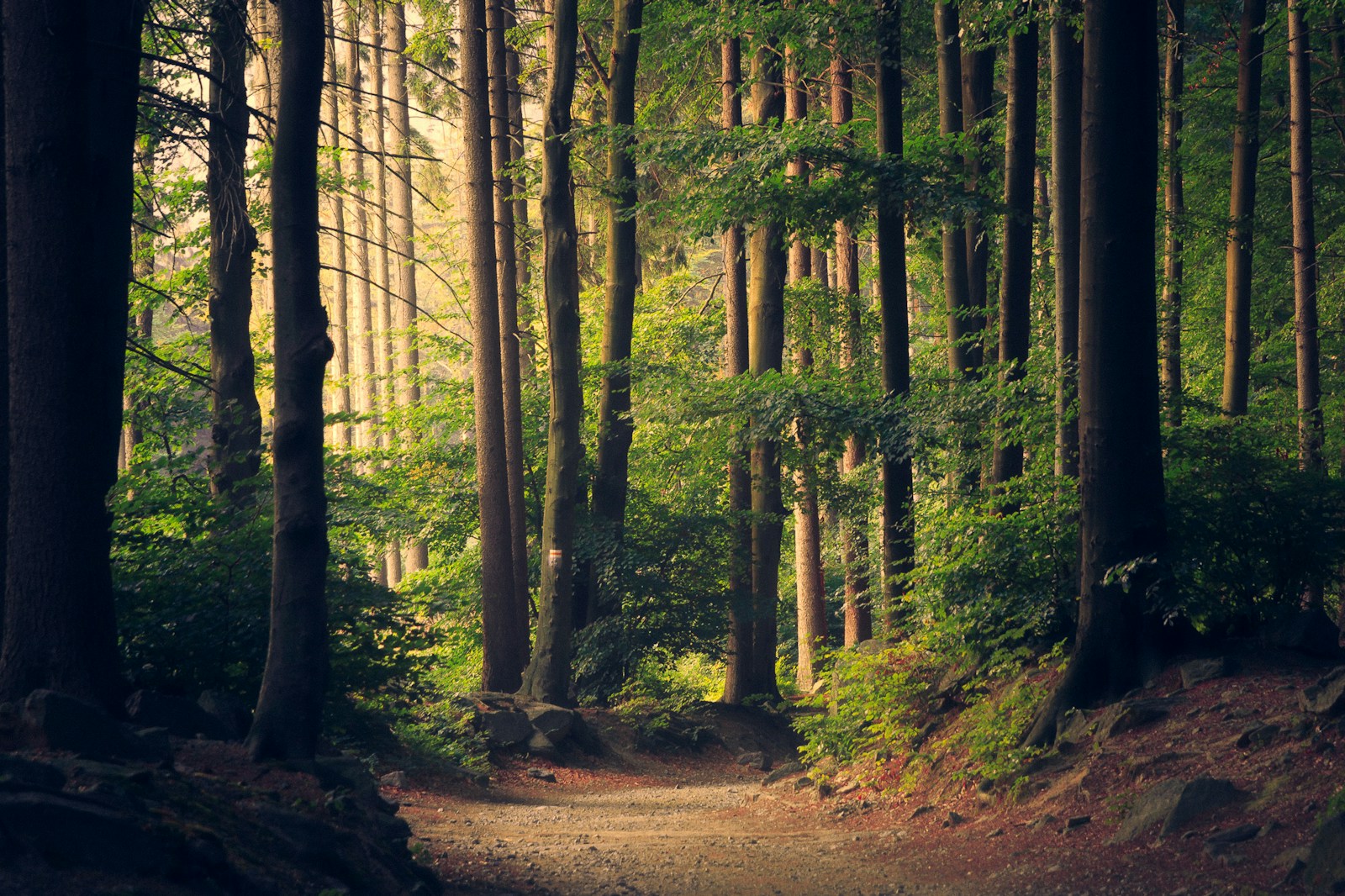
Over 4 miles of the North Country National Scenic Trail pass through Copper Falls State Park. This 4,600-mile trail stretches from Vermont to North Dakota, and the Copper Falls segment is widely considered one of its scenic highlights. It follows the Bad River gorge through old-growth hemlock and offers a quieter, more remote alternative to the popular Doughboy’s loop.
Copper Mining History
Copper mining in this area dates back to the Old Copper Culture Native Americans. In the 1860s, European settlers sank exploratory shafts into the canyon walls, and a later operation by Wells M. Ruggles even diverted the entire Bad River trying to reach copper deposits. The mine found little copper despite the dramatic effort. In the 1930s, the CCC and WPA transformed the former mining landscape into a state park, building rustic log shelters, stone fireplaces, and trails that remain the backbone of the park today.
Camping
| Area | Sites | Details |
|---|---|---|
| North Campground | 32 | 28 electric, 1 accessible |
| South Campground | 23 | Non-electric, 4 walk-in |
| Group Camp | 1 | Up to 40 people, tent only |
| Backpack Site | 1 | 2-mile hike in, on Bad River |
| Winter Camping | 6 | Plowed, electric, vault toilet |
Frequently Asked Questions
How long is the waterfall trail at Copper Falls?
The Doughboy’s Nature Trail is a 1.7-mile loop that passes both Copper Falls and Brownstone Falls, with observation platforms at each. Part of the trail is wheelchair accessible. It’s the park’s most popular hike and takes about 45 minutes to an hour. Pets are not allowed on this trail.
Can you camp at Copper Falls year-round?
Yes — Copper Falls offers 6 plowed winter campsites with electric hookups and a vault toilet nearby. The main campgrounds (55 sites) operate seasonally. There’s also a primitive backpack campsite on the Bad River banks, about 2 miles from the parking area. All sites require reservations.
Is the North Country Trail at Copper Falls worth hiking?
Absolutely. Over 4 miles of the 4,600-mile North Country National Scenic Trail pass through Copper Falls State Park, following the Bad River gorge through old-growth hemlock forest. It’s a quieter alternative to the Doughboy’s loop and is widely considered one of the most scenic segments of the entire trail.