🌤 Weather at Crawford State Park (Kansas) by season
| Spring | Summer | Fall | Winter |
|---|---|---|---|
| 36–76 °F | 65–90 °F | 35–81 °F | 22–47 °F |
Each range runs from the coldest monthly average low to the warmest monthly average high in that season (1991-2020 climate normals), measured at Girard, 1 mi away, elevation 990 ft. Conditions at the park can differ from the station, especially where elevation differs — check a forecast before you go.

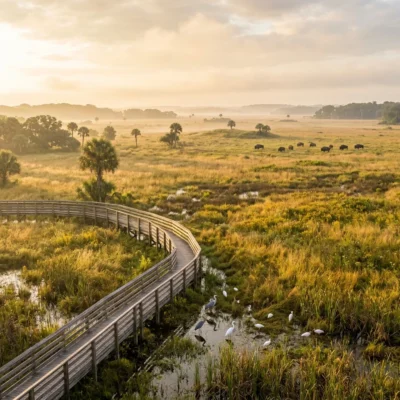
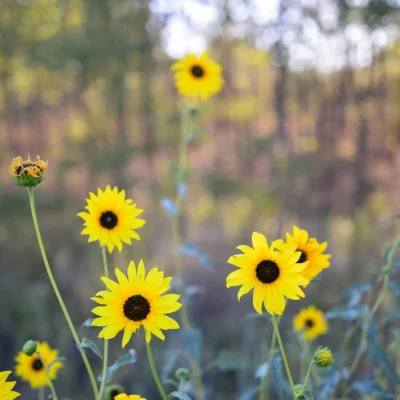
Considered one of the most beautiful state parks in Kansas, Crawford State Park lies along the edge of the Ozarks about 120 miles south of Kansas City. This serene area – wildflowers, grasslands and oak-hickory woodlands surrounding historic Lake Crawford – is located only 9 miles North of Girard.
Lake Crawford was formed during the 1930s when a dam was erected on the West Fork of Drywood Creek by Civilian Conservation Corps workers. Today Crawford State Park features historic structures and markers from that time as well as a memorial that honors the men of the CCC.
Swimming, boating, water skiing, fishing, camping, hiking, mountain biking, picnicking, and bird watching are popular activities here, especially during the summer. And in addition to lake activities, guests also enjoy exploring the trails, dining at the Marina, spending a few nights in one of the deluxe cabins, and stargazing.
Activities
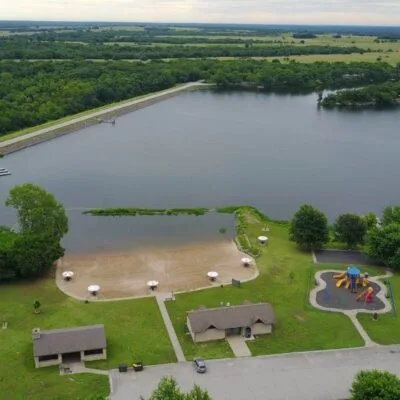
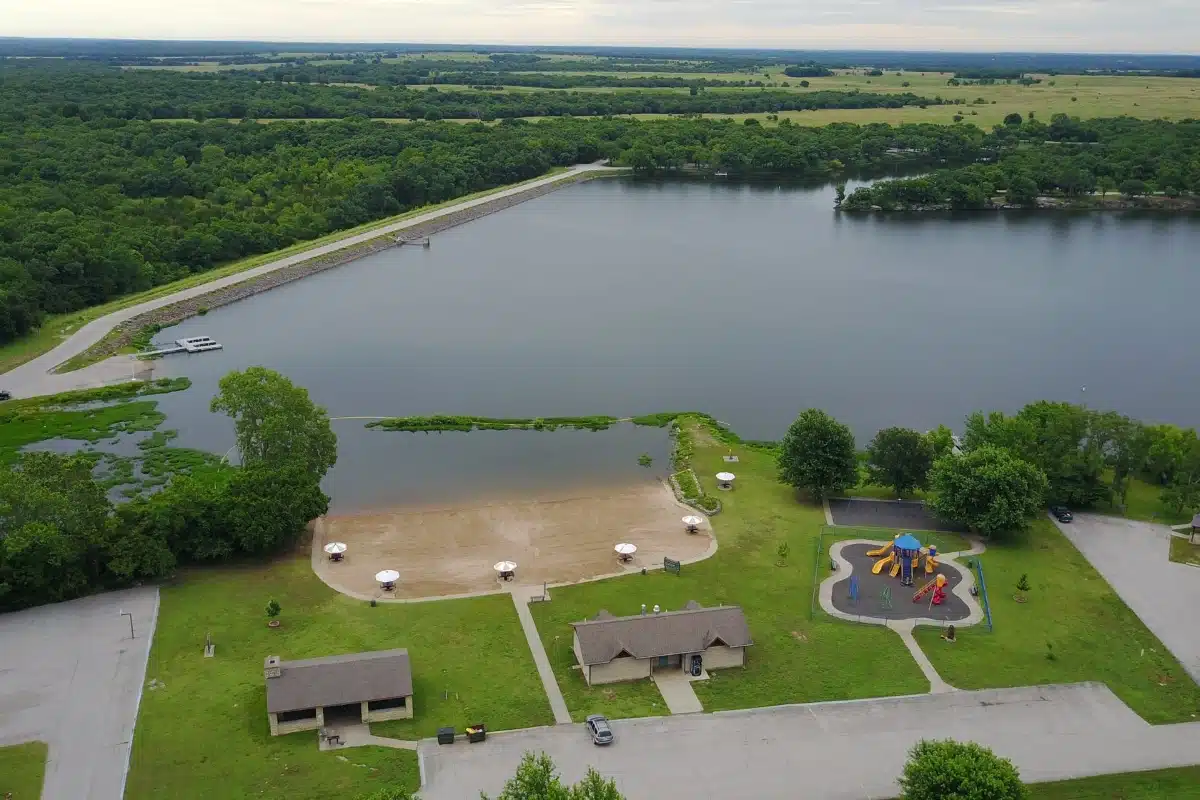
Pack your overnight bags and come spend a few relaxing days (and nights) inside Crawford State Park. The park’s day use area features pavilions, shelters, picnic tables, grills, restrooms, a playground, and a restaurant.
This restaurant, located at the Marina, offers delicious meals and convenience items Fridays through Sundays.
The park also features special programming such as nature talks, stargazing, and campground entertainment.
Here are some more activities that you can do during your visit to Crawford State Park:
Boating at Crawford State Park
Picturesque Lake Crawford, formed by a dam built on the West Fork of Drywood Creek, offers guests plenty of summer time enjoyment. Guests may canoe, kayak, sail, jet ski, water ski, and more along this beautiful lake. The park provides a boat dock and ramp for easy access to the lake.
Swimming at Crawford State Park
Swim, float, snorkel, and scuba dive in the beautiful waters inside Crawford State Park. Lake Crawford’s beach area and refreshing water temps are inviting during the summer. Picnic areas, a playground, restaurant, and restrooms help round out your perfect summer vacation.
Hiking at Crawford State Park
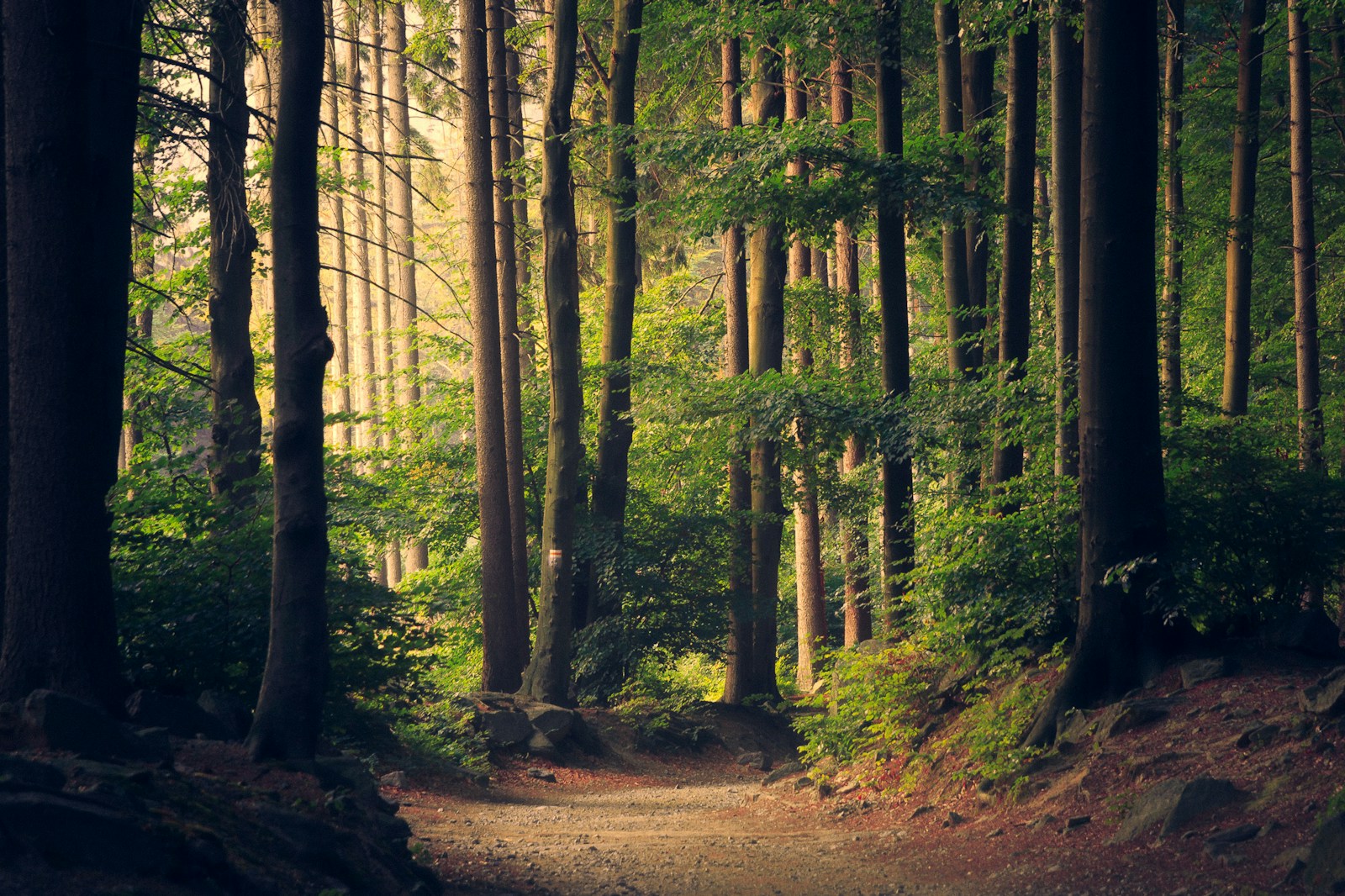
Serene Crawford State Park’s trails wind through grasslands and an oak-hickory forest near the edge of the Ozarks.
Visitors to this peaceful area will be greeted by redbud trees in the spring and colorful leaves during the fall.
Here are a couple of the trails at Crawford State Park:
- Spider Leg Trail – Easy 0.5 mile trail that winds through the woodlands along the northern end of the lake. This trail, named for an historic railroad bridge, guides visitors along with signs and information related to the military outpost that once existed here.
- Deer Run Nature Trail – A moderate 0.75 mile trail that leads through the woodlands on the east side of the dam. This trail is ADA accessible and features interpretive signs plus opportunities for viewing a variety of wildlife.
Biking at Crawford State Park
Love to ride? You’ll enjoy exploring the 7 mile Drywood Creek Mountain Bike Trail inside Crawford State Park. This trail, open year round, offers a challenging ride with many hills, twists and turns as it follows a pathway around the lake.
Fishing at Crawford State Park
Peaceful Crawford State Park is a great place to spend the day fishing. Here guests have a chance to catch striped bass, channel catfish, and crappie from a boat, shore, or fishing pier. If you plan to fish during your visit be sure to pick up a Kansas Fishing License ahead of time.
Birding at Crawford State Park
Grab your binoculars and take a leisurely walk through the grass, fields, thickets, and along the lake. Here you will discover ducks, geese, Indigo Buntings, Northern Cardinals, Yellow-breasted Chats, Bell’s Vireos, Red-tailed Hawks, Northern Harriers, Field Sparrows, and many more.
Nature and Wildlife at Crawford State Park
Beautiful Crawford State Park lies along the edge of the Ozarks where redbud trees bloom in the spring and the leaves change color in the fall. The oak-hickory forest and surrounding grasslands attract many butterflies, birds, white-tailed deer, cottontail rabbits, and squirrels.
If you’re lucky you may also observe a broadhead skink or prairie lizard as you walk along the trails leading through the woodlands. Other types of wildlife sometimes seen throughout the park are foxes, coyotes, bobcats, raccoons, and opossums.
Pets at Crawford State Park
Pets are allowed at Crawford State Park but must be supervised and restrained (hand held leash, camper, or cage) at all times during your visit. Pets are not allowed on the beach or inside park buildings. Service animals are not considered pets.
Camping at Crawford State Park
Crawford State Park features 6 campgrounds with a variety of campsites and 5 deluxe cabins, all with amazing views of the lake. The park offers 28 primitive sites, 38 electric only sites, and 45 campsites with both electric and water hookups spread among its 6 campgrounds. The Lakeview Group Use area also has 10 campsites with electric hookups.
The 5 deluxe lakefront cabins offer guests many of the comforts of home with fully equipped kitchens, bathroom with shower, and heat/air conditioning. Each cabin also has a stove, refrigerator, microwave, pots and pans, dishes, utensils, coffee maker, and a toaster. Guests do need to bring their own linens, towels, and toiletries. These cabins are available to reserve year round.
All campsites and cabins have a picnic table, grill, and fire ring. Restrooms, showers, laundry facilities, a restaurant, and a dump station are also available for guests within the park.
Park Location
Crawford State Park 1 W Lake Road Farlington, KS 66734 Phone: 620.362.3671
Map
Video
Here is a short YouTube video with some drone footage of Crawford State Park:
Explore More Kansas State Parks
Crawford State Park (Kansas) is one of many outstanding state parks in Kansas. Discover more parks in our Best State Parks in Kansas guide, or use our Park Finder to search by activity, location, or features.
More parks in Kansas: Elk City State Park and Cross Timbers State Park. See the full Kansas state parks guide.

⛺ Camping at Crawford State Park (Kansas): Campgrounds & Cabins
| Campsites | 111 sites — Six campgrounds: 28 primitive sites, 38 electric-only sites, 25 fifty-amp/water sites, and 20 thirty-amp/water sites (all campsites have a lake view). Breakdown by area: Rocky Cove 15 water/electric + 15 electric (reservable); Oak Point 26 primitive + 30 water/electric + 9 electric (not reservable); Lonesome Point 1 primitive + 4 electric (not reservable); Osage Bluff 1 primitive (not reservable); Cherokee Landing 1 primitive (not reservable); Lakeview Group Use Area 10 electric sites (reservable). The majority of campsites can be reserved. |
|---|---|
| Cabins & Lodging | Five lakefront rental cabins, ADA accessible, open year-round. Full kitchens with stove, refrigerator, microwave, pots/pans, dishware, utensils, toaster and coffee maker. Shady Rest offers three full-size beds, two twin beds and a bunk bed. North Wind, Morning Glory and The Landing each offer one bedroom with a full-size bed and a futon, plus a front room with a twin Murphy bed and sofa. All cabins have a grill, fire ring and picnic table. |
| Pets | Statewide KDWP rule: pets must be restrained by leash, chain or kennel no longer than 10 feet and are not allowed on swimming beaches or in buildings. |
| Reservations | Book via KSOutdoors.com/CampItKS.gov or ReserveAmerica.com, by phone, or at the park office, (620) 362-3671. Vehicle permits required. General KDWP cancellation policy applies. Note: as of July 13, 2026 all park traffic must approach via the south through Girard due to a road closure on K-7 expected to last through summer 2027. |
| Special sites | Lakeview Group Use Area (10 electric sites) ideal for family reunions and club campouts. Two boat ramps, three bathhouses, courtesy docks, a dump station. Four hiking and biking trails, a swimming beach. Bowfishing, trotlines, setlines and floatlines are prohibited. |
Camping questions about Crawford State Park (Kansas)
Can you camp at Crawford State Park (Kansas)?
Yes. Crawford State Park (Kansas) has 111 campsites. Six campgrounds: 28 primitive sites, 38 electric-only sites, 25 fifty-amp/water sites, and 20 thirty-amp/water sites (all campsites have a lake view). Breakdown by area: Rocky Cove 15 water/electric + 15 electric (reservable); Oak Point 26 primitive + 30 water/electric + 9 electric (not reservable); Lonesome Point 1 primitive + 4 electric (not reservable); Osage Bluff 1 primitive (not reservable); Cherokee Landing 1 primitive (not reservable); Lakeview Group Use Area 10 electric sites (reservable). The majority of campsites can be reserved.
How do you reserve a campsite at Crawford State Park (Kansas)?
Book via KSOutdoors.com/CampItKS.gov or ReserveAmerica.com, by phone, or at the park office, (620) 362-3671. Vehicle permits required. General KDWP cancellation policy applies. Note: as of July 13, 2026 all park traffic must approach via the south through Girard due to a road closure on K-7 expected to last through summer 2027.
Are there cabins at Crawford State Park (Kansas)?
Five lakefront rental cabins, ADA accessible, open year-round. Full kitchens with stove, refrigerator, microwave, pots/pans, dishware, utensils, toaster and coffee maker. Shady Rest offers three full-size beds, two twin beds and a bunk bed. North Wind, Morning Glory and The Landing each offer one bedroom with a full-size bed and a futon, plus a front room with a twin Murphy bed and sofa. All cabins have a grill, fire ring and picnic table.
Are pets allowed at the Crawford State Park (Kansas) campground?
Statewide KDWP rule: pets must be restrained by leash, chain or kennel no longer than 10 feet and are not allowed on swimming beaches or in buildings.
Source: ksoutdoors.gov (verified July 2026). Details change seasonally — confirm when booking.
🐾 Dogs & Pets at Crawford State Park (Kansas)
- Pets allowed? statewide rule
- Pets are allowed in Kansas state parks, including trails and campgrounds, but must always be restrained by a camper, cage, hand-held leash, or tether no longer than 10 feet.
- Leash rule statewide rule
- Hand-held leash or tethered chain no longer than 10 feet (or confined in camper/cage)
- Beaches & swim areas statewide rule
- Pets are not allowed on swimming beaches or in buoyed swimming areas, or in public buildings
- Cabins & lodging statewide rule
- Pets are not allowed inside cabins except in designated pet-friendly cabins (e.g. at Lovewell, Eisenhower, El Dorado, Clinton) with a $50 pet fee; at other cabins pets must stay outside
- Pet fees statewide rule
- No day-use pet fee; $50 pet fee for designated pet-friendly cabins
- Statewide exceptions statewide rule
- Dogs participating in authorized activities (such as hunting) or assisting the visually or hearing impaired are exempt
Are dogs allowed at Crawford State Park (Kansas)?
Pets are allowed in Kansas state parks, including trails and campgrounds, but must always be restrained by a camper, cage, hand-held leash, or tether no longer than 10 feet. Individual parks can post stricter rules — check signage on arrival.
Rules verified July 2026 via ksoutdoors.gov. More: Kansas state parks guide · Dog rules in all 50 states compared
Park Location
Plan your gear for Crawford State Park (Kansas)
From our editorial guides, matched to this park’s activities: