Cunningham Falls State Park
Located deep within the picturesque Catoctin Mountains near Thurmont, Maryland, Cunningham Falls State Park is divided into two distinct recreation areas: the William Houck Area and the Manor Area. Known primarily for hiding the state’s highest cascading waterfall, the park draws visitors year-round.
Because there is so much ground to cover across its two distinct geographic zones, first-time visitors often wonder where to start. We’ve compiled the ultimate guide to the best activities and attractions this Maryland gem has to offer.
Things to Do in Cunningham Falls State Park
Whether you’re a hardcore backpacker or a family looking for a lazy beach day, Cunningham Falls delivers. Below are the absolute must-do activities when visiting the park.
| Top Activity | Important Details & Visitor Tips |
|---|---|
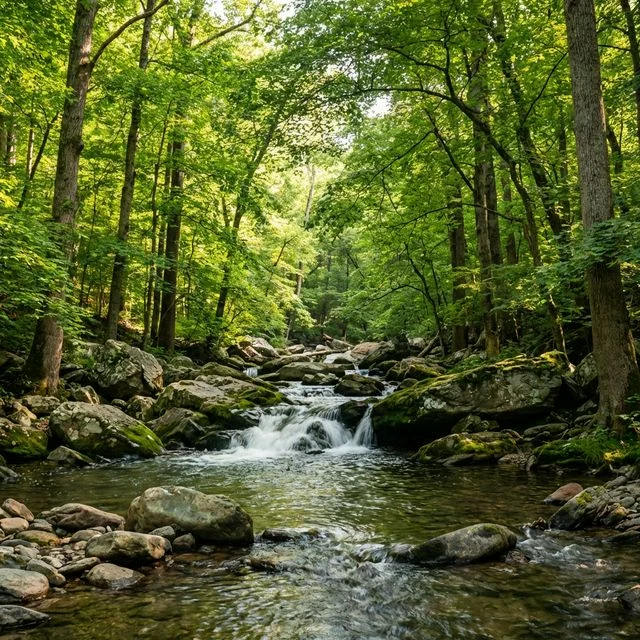
| 1. View the 78-Foot Waterfall | The namesake Cunningham Falls is the largest cascading waterfall in Maryland. It is easily accessible via the half-mile Lower Trail or via a dedicated wheelchair-accessible boardwalk from the Foxville Road lot. |
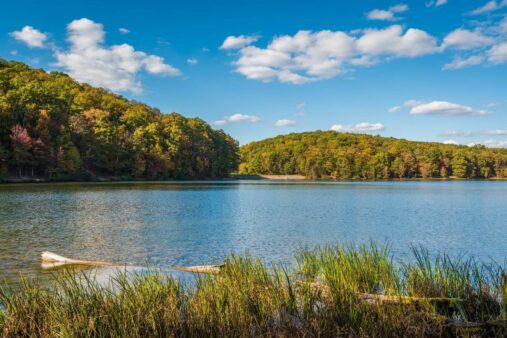
| 2. Swim at Hunting Creek Lake | Located in the William Houck Area, the sandy beach is wildly popular during summer. Arrive early on weekends between Memorial Day and Labor Day, as the beach often reaches maximum capacity by mid-morning. |
| 3. Hike to Cat Rock Summit | For a rugged challenge, take the 3.3-mile Misery Trail to the Cat Rock Summit. The scrambling and elevation gain reward hikers with uninterrupted views of the Catoctin Mountains. |
| 4. Explore Catoctin Iron Furnace | History buffs should head to the Manor Area to explore the remains of the Catoctin Iron Furnace, an authentic iron forge that produced ammunition during the Revolutionary War. |
Trout Fishing and Boating
Trout anglers revere the waters in and around Cunningham Falls State Park. Big Hunting Creek and Little Hunting Creek are globally recognized fly-fishing streams. They are designated as strict catch-and-release only zones, and anglers are required to use artificial flies or lures.
For more relaxed angling, Hunting Creek Lake operates as a put-and-take trout area, and naturally supports healthy populations of bass, bluegill, and catfish. The lake is also open to non-motorized and electric-motor boating. Kayaks, canoes, and paddleboards can be rented directly from the park during the summer season.
Camping Options
Campers have excellent choices across both sections of the park. The William Houck Area Campground is closer to the lake and the falls, offering both basic and electric sites, plus a selection of camper cabins. The Manor Area Campground is typically quieter and offers immediate access to the Catoctin Iron Furnace and the Scales and Tales Aviary.
Frequently Asked Questions
Is there an entrance fee for Cunningham Falls State Park?
Yes. During the summer season (Memorial Day to Labor Day), Maryland residents pay $3 per person on weekdays and $5 on weekends. Out-of-state visitors pay $5 on weekdays and $7 on weekends. Winter rates are typically $3 per vehicle.
Can you swim in or climb on Cunningham Falls?
No. For safety and environmental preservation, swimming in the falls and climbing on the rocks immediately surrounding the waterfall are strictly prohibited and actively enforced by park rangers.
Does the park frequently close due to capacity?
Yes, especially on summer weekends and holidays. The William Houck Area (which houses the lake and the easiest path to the falls) regularly hits maximum capacity by 10:00 AM, at which point entry is denied until space opens up.
Is cell phone service reliable in the park?
No. Due to the deep valley geography of the Catoctin Mountains, cellular service ranges from spotty to non-existent across most major wireless carriers. Download offline maps before arriving.