H. Cooper Black Jr. Memorial Field Trial and Recreation Area
🏆🏆🏆🏆🏆 South-carolina — 6,673-acre recreation area in the Sandhills region — one of the largest field trial facilities in the nation! Cooper Black is famous for its bird dog field trials and also offers 20+ miles of equestrian and mountain biking trails through longleaf pine forest.
Visitor Information
| Detail | Info |
|---|---|
| Location | South Carolina |
About Cooper Black
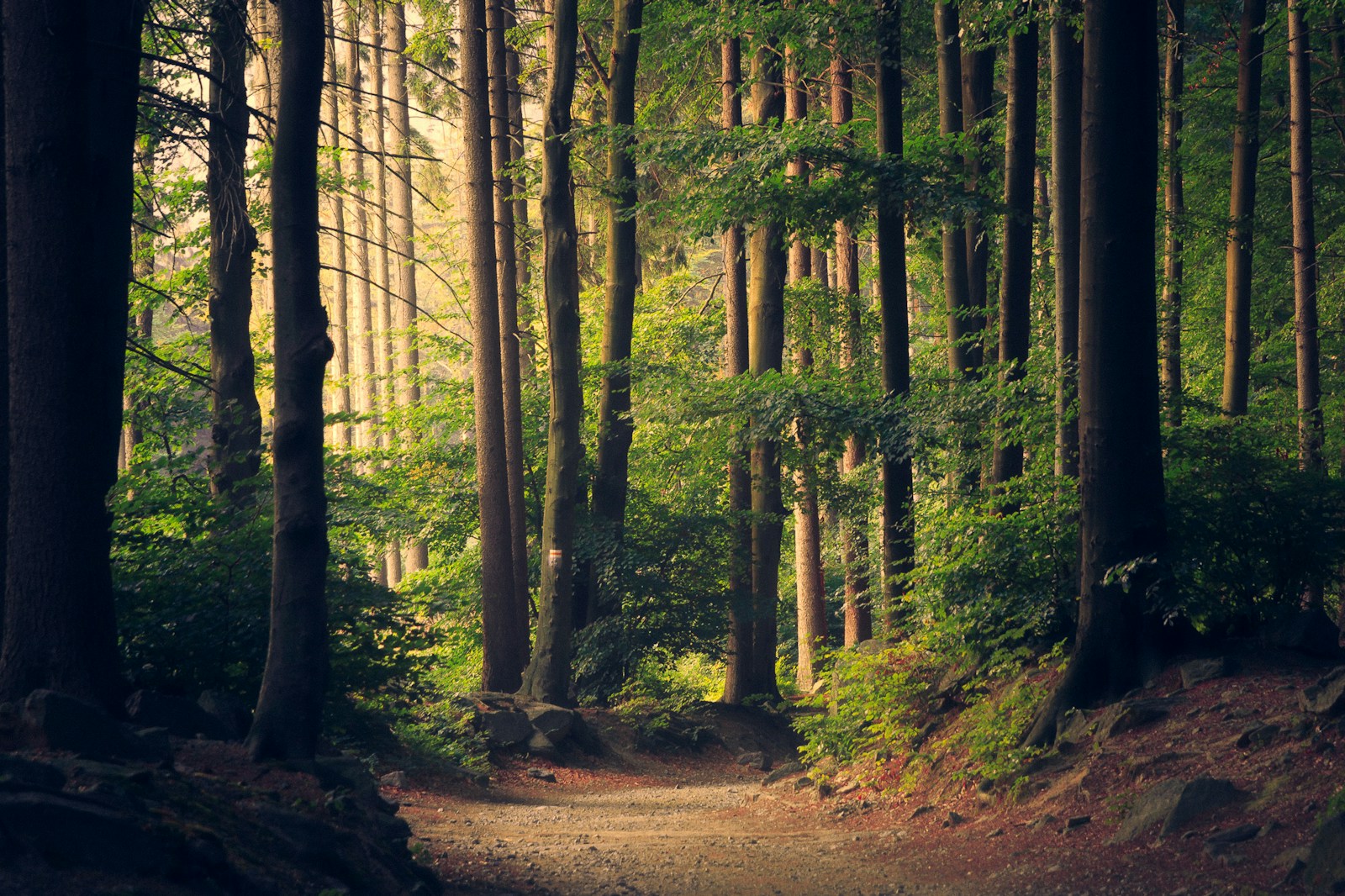
H. Cooper Black Jr. Memorial Field Trial and Recreation Area in Chesterfield County provides 7,000 acres of managed longleaf pine and wiregrass savanna — the traditional habitat for quail field trials. The area hosts nationally sanctioned pointing dog competitions on horseback. The Sandhills region of South Carolina — ancient Atlantic Ocean shoreline — features deep sandy soil and longleaf pine ecosystem.
Things to Do
Horseback riding (50+ miles of trails), mountain biking, hiking, hunting (seasonal), attending national field trial competitions, and exploring 7,000 acres of managed Sandhills longleaf pine.
Plan Your Visit
The 7,000-acre area has 50+ miles of trails for horseback riding and mountain biking — a major equestrian destination. Field trial competitions (pointing dog events) are held fall through spring — spectators welcome. Camping available at primitive sites. Cheraw State Park (30 miles north) has a golf course and developed camping. The Carolina Sandhills National Wildlife Refuge (adjacent) protects federally endangered red-cockaded woodpecker habitat.
Nature & Wildlife
The managed longleaf pine ecosystem relies on prescribed fire — a practice adopted from Native American land management. Endangered red-cockaded woodpeckers excavate nest cavities in living longleaf pines over 80 years old. Fox squirrels, indigo buntings, and Bachman’s sparrows thrive in the fire-maintained understory. The wiregrass ground cover blooms spectacularly after controlled burns.
Insider Tips
Plain folk: Jarrell Plantation preserves a working-class farm — not a wealthy plantation. Pro tip: Most Southerners didn’t own enslaved people — sites like Jarrell show how the majority of Southerners actually lived. Self-sufficiency: The Jarrell family operated their farm from the 1840s through the 1940s — three generations who witnessed the Civil War, Reconstruction, Jim Crow, and the mechanization of agriculture.
Best Time to Visit
Fall: Harvest demonstrations. Spring: Planting season activities. Year-round: Guided tours. Summer: Full programming.
Frequently Asked Questions
Did most Southerners own slaves?
No — only about 25% of Southern white families owned any enslaved people in 1860, and most of those owned fewer than 5. Sites like Jarrell Plantation show how the non-slaveholding majority lived — through hard manual labor, subsistence farming, and self-sufficiency. Understanding the “plain folk” of the South provides a more complete picture of antebellum Southern society.
📍 Visit H. Cooper Black Jr. Memorial Field Trial and Recreation Area
Discover America’s best state parks!