Hamilton Branch State Park
🎣 Trusted Guide to South Carolina’s Lake Thurmond Peninsula – Updated 2025
On a Wooded Peninsula in the Second-Largest Lake East of the Mississippi
Near the small town of Plum Branch in rural McCormick County, Hamilton Branch State Park occupies a beautifully wooded 731-acre peninsula that reaches into the J. Strom Thurmond Lake — a 71,000-acre reservoir with 1,200 miles of shoreline, ranking as the second-largest lake east of the Mississippi River. Established in 1972 through a lease agreement with the U.S. Army Corps of Engineers, this park has quietly earned a loyal following among RV campers, shoreline anglers, and families seeking a peaceful lakeside retreat far from the crowds of South Carolina’s coastal destinations.
What makes Hamilton Branch special is its peninsula setting — water surrounds you on three sides, creating a feeling of being on a private island. Nearly every campsite in the park offers lake views or direct waterfront access, and the reservoir’s enormous size means there’s always open water for boating, kayaking, and the kind of deep-water fishing that trophy anglers dream about. The park is small enough to feel intimate, yet Lake Thurmond’s vast reaches give it the scale of a destination you could explore for weeks.
Hamilton Branch is named after the creek branch that originally flowed through this peninsula before the Army Corps dammed the Savannah River in the 1950s, creating what was then called Clarks Hill Lake. The park sits in McCormick County, one of South Carolina’s smallest and most rural counties — a region steeped in pre-Civil War plantation history, gold mining heritage, and the quiet rhythms of the upper Savannah River valley.
Camping: 173 Sites on the Water
Hamilton Branch is, at its heart, a camping park. The campground wraps around multiple loops on the peninsula, with the majority of sites positioned to take advantage of the lake views:
Campsite Overview
| Campsite Type | Sites | Hookups | Max RV Length | Rate/Night |
|---|---|---|---|---|
| Standard (Electric + Water) | 173 | 30/50 amp electric, water | 35–40 ft | $30–$44 |
| Tent-Only (Water Only) | 11 | Water only | N/A | $20–$30 |
| Primitive Group Sites | Varies | None | N/A | Contact park |
| The Burrow (Buddy Site) | 1 shared | Electric + Water | 2 rigs | $50–$60 |
Campsite Recommendations
- Best sunset views: Sites 97, 98, 103, and 105 — positioned on the west-facing shore of the peninsula
- Best waterfront access: Site 77 and 168 — praised by regulars for easy shoreline access and lake views
- “The Burrow”: The park’s unique buddy campsite — two camping parties share a large site designed for watching sunsets together over the lake. A social camping experience recommended by the park manager
- Campsite design note: Many sites use a T-formation pad layout, which means backing in twice. This can position your trailer facing the road rather than the lake — scout your site before committing
Campground Amenities
- 8 comfort stations with modern restrooms and hot showers
- 2 RV dump stations
- Public Wi-Fi available throughout the campground
- EV charging station
- Playground for children
- General Store (open daily 9 AM – 5 PM): fishing bait, ice, firewood, old-fashioned candy, ice cream, glass-bottle Coca-Cola, limited souvenirs
- Outdoor checkers at the store seating area — a charming vintage touch
⚠️ Hurricane Helene Impact (2024)
Hurricane Helene caused significant damage to portions of the park in late 2024. As of early 2025, campsites 1–114, the boat ramp, and the playground are open. Other campsites and picnic shelters remain closed for cleanup. Check the SC State Parks website for current conditions before booking.
Fishing on Lake Thurmond: A Southeast Angling Destination
Lake Thurmond is one of the top freshwater fishing lakes in the Southeast. The reservoir’s massive size, diverse structure (submerged timber, rocky points, brushpiles), and active stocking programs create year-round fishing opportunities that attract competitive tournament anglers from across the region.
Target Species
| Species | Best Season | Best Method | Where to Find Them |
|---|---|---|---|
| Largemouth Bass | Spring (spawn) & Fall | Crankbaits, jigs, topwater | Coves, brushpiles, submerged timber |
| Striped Bass | Spring & Late Fall | Live herring, down-lines | Open water, deep points, near baitfish |
| Hybrid Bass | Year-round | Planer boards, free-lines | Bass Alley, underwater points |
| Crappie | Feb–April (pre-spawn) | Minnows, small jigs at 20ft | Brushpile areas, creek backs |
| Channel Catfish | Spring–Summer | Cut bait, chicken liver | Deep holes, near dam structure |
| Bluegill/Bream | Spring–Fall | Worms, crickets | Shoreline, docks, shallow coves |
Known Fishing Hotspots on Lake Thurmond
- Gordon Shoals: Largemouth bass school on underwater islands here, especially in fall — one of the lake’s most productive bass spots
- Mistletoe Area: Large flat where bass chase shad and herring. Best with a light breeze for topwater action
- Bass Alley: Consistent hybrid bass around underwater points — fish the downwind side with down-lines
- Crappie Tree: A large sunken hardwood that attracts significant crappie numbers. Fish ~20 feet deep with small minnows
- Donna’s Crappie Spot: Single submerged tree holding crappie, plus occasional largemouth, hybrids, and catfish
- Camel Humps: Fall striper hotspot — fish 30–40 feet deep with live herring where baitfish get trapped
- Monkey Island: Where Keg Creek and the Georgia Little River meet the Savannah — stripers chase bait on underwater points
Fishing Regulations (South Carolina Side)
| Species | Min. Length | Daily Limit | Special Rules |
|---|---|---|---|
| Largemouth Bass | 12 inches | 10 (combined black bass) | Includes smallmouth, redeye, spotted |
| Striped Bass | None specified | 10 (combined with hybrid) | Max 3 over 26 inches |
| Hybrid Bass | None specified | 10 (combined with striper) | Max 3 over 26 inches |
| Crappie | Check current regs | Varies | May differ from statewide limits |
A valid South Carolina fishing license is required. Licenses are available online, at the park store, or at local retailers. Jug fishing is permitted with a permit (3–50 jugs); no permit needed for 2 jugs with a valid license.
Water Recreation Beyond Fishing
- Two private boat ramps: Direct access to the main lake from within the park — no need to use public ramps
- Kayak rentals: Self-serve automated kiosk by the lake — no reservation needed, pay and paddle
- Bicycle rentals: Available at the park office for exploring the peninsula and Stevens Creek trail
- Boating, waterskiing, jet skiing: The open lake supports all power-watercraft activities
- Paddleboarding: Calm morning conditions in the park’s protected coves are ideal for SUP
- Swimming: Permitted in the lake at your own risk — no designated beach or lifeguards
Trails & Biking
Trail Map
| Trail Name | Distance | Difficulty | Surface | Highlights |
|---|---|---|---|---|
| Paleo Hiking Trail | 1.5 miles | Easy | Natural | Pine/hardwood forest, interpretive signs, lake views |
| Stevens Creek Bike Trail | 12 miles (off-site) | Moderate | Paved/gravel | Long-distance cycling through rural McCormick County |
| Connector Path | ~0.5 miles | Easy | Paved | Links park to Stevens Creek trailhead |
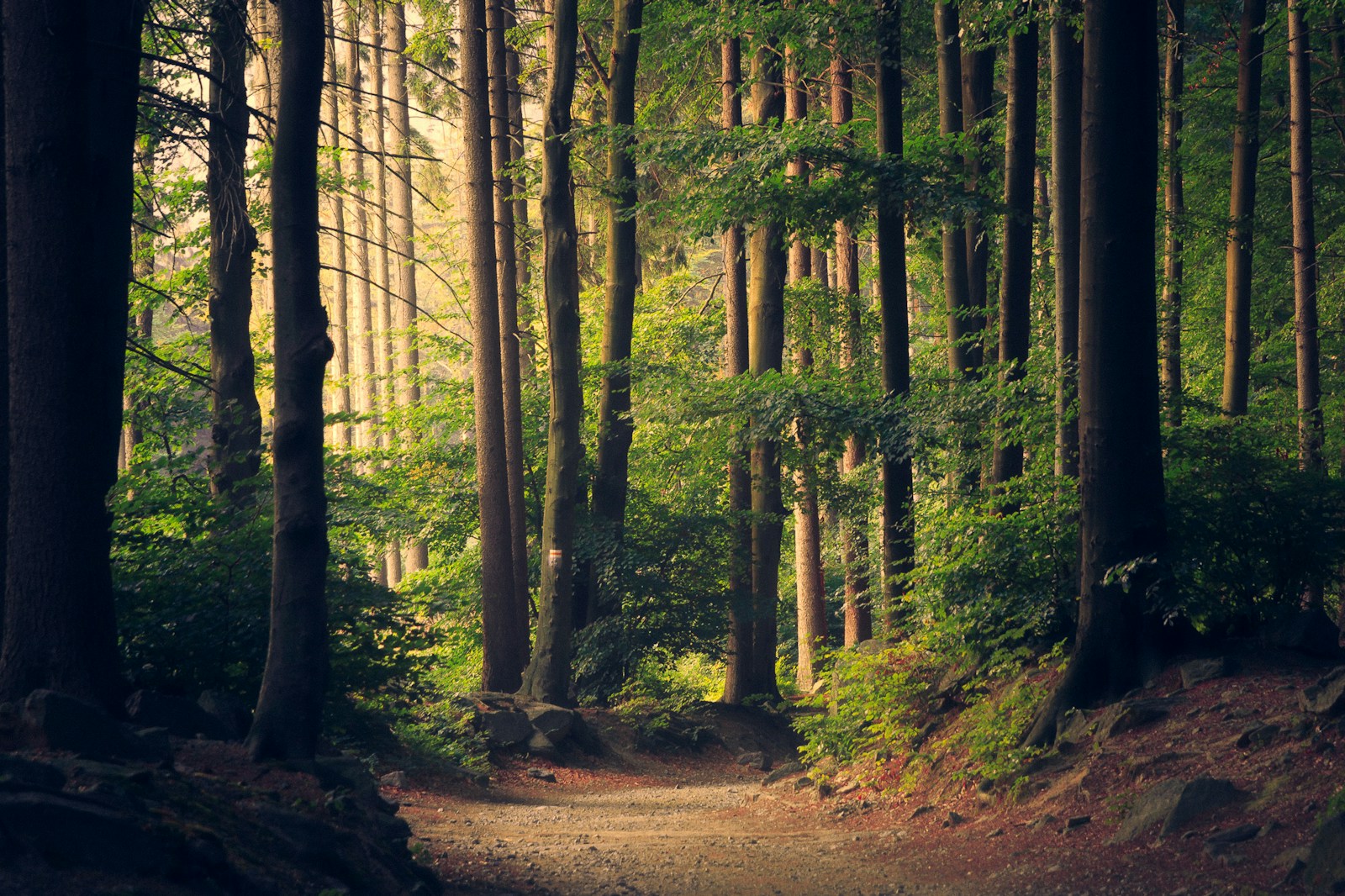
The Paleo Hiking Trail is a gentle loop through a mixed forest of longleaf pine and hardwoods — excellent for a morning walk, bird watching, or a quiet evening stroll after fishing. Interpretive signs along the trail explain the area’s geological history and natural ecology.
Wildlife & Bird Watching
The peninsula’s mix of pine forest, hardwood bottomland, and open lake shoreline creates diverse habitat for wildlife:
| Category | Species | Best Time to See |
|---|---|---|
| Raptors | Bald eagles, osprey, red-tailed hawks | Year-round (eagles especially winter) |
| Waterfowl | Great blue herons, wood ducks, migratory geese | Fall–Spring (migration season) |
| Songbirds | Carolina wrens, cardinals, woodpeckers | Spring–Summer |
| Mammals | White-tailed deer, fox squirrels, raccoons | Dawn & dusk |
| Reptiles | Various snake species, turtles | Spring–Fall (warm months) |
Bald eagles are known to nest near the park — bring binoculars and scan the tall lakeside trees, especially in winter when they’re most active. Fox squirrels, larger and more colorful than common gray squirrels, are a distinctive feature of the South Carolina Piedmont and are frequently spotted throughout the campground.
Best Time to Visit
| Season | Temp Range | Highlights | Crowds |
|---|---|---|---|
| Spring (Mar–May) | 43–68°F | Best fishing (crappie spawn, bass active), wildflowers, bug-free weather | Moderate |
| Summer (Jun–Aug) | 71–93°F | Swimming, boating, full campground atmosphere | High (weekends sell out) |
| Fall (Sep–Nov) | 53–76°F | Excellent bass fishing, fall foliage, cooler camping | Moderate |
| Winter (Dec–Feb) | 35–56°F | Striper fishing, bald eagle watching, peaceful solitude | Low |
Budget Planner
| Expense | Cost | Notes |
|---|---|---|
| Day-use entry | $5 per vehicle | SC State Parks pass |
| Standard campsite | $30–$44/night | Electric + water hookups. Rates vary by season/demand |
| Tent-only site | $20–$30/night | Water hookup only |
| Primitive camping (Lick Fork) | $7/night | May–Nov only, no hookups, near fishing pier |
| SC Fishing License (annual, resident) | $10 | Required for ages 16+ |
| SC Fishing License (annual, non-resident) | $35 | 7-day option: $11 |
| Kayak rental | ~$15–25/hour | Self-serve kiosk at the lake |
| Firewood (bundle) | ~$7 | Available at park store |
Hamilton Branch is one of the most budget-friendly lakeside camping destinations in the Southeast. A weekend of camping with fishing comes in under $100 per party — significantly less than coastal SC parks. The nearest Dollar General is only 1.5 miles from the park for affordable supplies.
Getting There & Nearby
- From Augusta, GA (60 miles / ~75 min): Take US-221 North through Edgefield to McCormick, then follow signs
- From Columbia, SC (100 miles / ~2 hrs): Take I-20 West to US-378 West through Saluda County
- From Greenville, SC (120 miles / ~2 hrs): Take I-85 South to US-25 through Greenwood
- Nearest town: Plum Branch (5 min) — very limited services; McCormick (15 min) — groceries, gas, dining
- Nearby parks:
- Baker Creek State Park (30 miles) — additional Lake Thurmond access, more campground options
- Hickory Knob State Resort Park (25 miles) — lodge, golf course, restaurant overlooking the lake
Safety & Regulations
| Topic | Details |
|---|---|
| Swimming | At your own risk — no beach, no lifeguards. Lake bottom can be uneven with sudden drop-offs |
| Pets | Welcome in most outdoor areas on a leash ≤6 feet. Clean up required |
| Alcohol | Prohibited in the park |
| Fires | Confined to designated fire rings/grills only |
| Road parking | Not permitted — use designated campsite or day-use spaces only |
| Red clay soil | Can stain clothing and equipment — bring old towels and shoe covers |
| Insects | Mosquitoes, ants, and yellow jackets active spring–fall. Bring repellent |
| Steep lake banks | Some campsite edges have steep drop-offs to the water — supervise children |
Packing List
- ✅ Fishing gear — rod, reel, tackle; bait available at park store (or bring live herring for stripers)
- ✅ Binoculars — essential for bald eagle and osprey spotting
- ✅ Insect repellent — heavy-duty DEET for lakeside mosquitoes
- ✅ Sunscreen & hat — minimal shade on the lake; UV reflection off water is intense
- ✅ Old towels — red clay soil stains everything; bring dedicated outdoor towels
- ✅ Golf cart or bicycles — the campground is spread over a large peninsula; regulars bring golf carts
- ✅ Groceries — stock up before arriving; the nearest full grocery store is in McCormick (15 min away)
- ✅ Life jackets — required for boating; recommended for kayaking and swimming
- ✅ Leveling blocks — campsite pads may be uneven; RVers should bring levelers
History of Hamilton Branch & Lake Thurmond
The story of Hamilton Branch State Park is inseparable from the story of Lake Thurmond itself. In the 1940s, the U.S. Army Corps of Engineers began construction on the dam across the Savannah River, creating what was then called Clarks Hill Lake — named after the nearby Georgia town. The dam, completed in 1954, was one of the Corps’ largest projects in the Southeast, designed for flood control, hydroelectric power, and recreation.
The reservoir flooded thousands of acres of farmland, forest, and communities along the Savannah River valley. The peninsula that would become Hamilton Branch — named after the creek branch that once flowed through the area — emerged as a wooded finger of land extending into the new lake. In 1972, South Carolina leased 731 acres from the Corps to establish the state park, creating one of the state’s most desirable lakeside camping destinations.
In 1988, the lake was renamed J. Strom Thurmond Lake in honor of the long-serving South Carolina senator. Locals and visitors still commonly use both names — Clarks Hill and Thurmond — interchangeably.
McCormick County, where the park is located, was once part of the Abbeville District, one of South Carolina’s original judicial districts. The area has a rich history of gold mining — the Dorn Gold Mine near McCormick was one of the most productive in the Southeast during the mid-1800s.
Frequently Asked Questions
Can I swim in Lake Thurmond at Hamilton Branch?
Swimming is permitted in the lake at your own risk. There is no designated swimming beach, roped-off area, or lifeguards on duty. The lake bottom can be uneven and drop off quickly — water shoes and life jackets are strongly recommended. Parents should supervise children closely at all times.
How much does it cost to camp at Hamilton Branch State Park?
Standard campsites with electric and water hookups range from $30 to $44 per night, depending on season and demand. Tent-only sites with water are $20–$30. Primitive camping at the nearby Lick Fork Recreation Area is just $7 per night (May–November, no hookups).
Is Hamilton Branch good for RV camping?
Yes — 173 standard sites have 30/50 amp electric and water hookups. Most can accommodate RVs up to 35 feet, with some sites fitting rigs up to 40 feet. Two dump stations are available. Bring leveling blocks as some pads may be uneven, and be aware of the T-formation pad design that may require backing in twice.
What fish can I catch at Hamilton Branch / Lake Thurmond?
Lake Thurmond is one of the Southeast’s top fishing lakes. Target species include largemouth bass (12″ minimum, 10/day limit), striped bass, hybrid bass, crappie, channel catfish, and bluegill. Spring is best for crappie and spawning bass; fall is excellent for deep-water stripers and schooling bass. A South Carolina fishing license is required.
Are there cabins or lodges at Hamilton Branch?
Hamilton Branch does not have cabins or lodges on-site. However, nearby Hickory Knob State Resort Park (25 miles) offers a full-service lodge, restaurant, and cottages overlooking Lake Thurmond. Baker Creek State Park (30 miles) also has camping facilities on the same lake.
Was the park affected by Hurricane Helene?
Yes — Hurricane Helene caused significant damage in late 2024. As of early 2025, campsites 1–114, the boat ramp, and playground are open. Other campsites and picnic shelters remain closed for cleanup and repairs. Always check the official SC State Parks page for the latest conditions before visiting.
Is the park pet-friendly?
Yes — pets are welcome in most outdoor areas, including campsites and trails. Dogs must be kept on a leash no longer than 6 feet at all times. Clean-up is required. Some specific areas may be restricted — check signage at the park.
What is “The Burrow” campsite?
“The Burrow” is Hamilton Branch’s unique buddy campsite — a large shared site designed for two camping parties who want to camp together. It’s positioned for excellent sunset views over the lake and has been highlighted by the park manager as one of the park’s most special experiences.
How do I get to Hamilton Branch State Park?
The park is located at 111 Campground Road, Plum Branch, SC 29845, in McCormick County. From Augusta, GA (60 miles), take US-221 North. From Columbia, SC (100 miles), take I-20 West to US-378. The park is well-signed from McCormick. Note: this is a rural area — stock up on groceries and fuel before arriving.