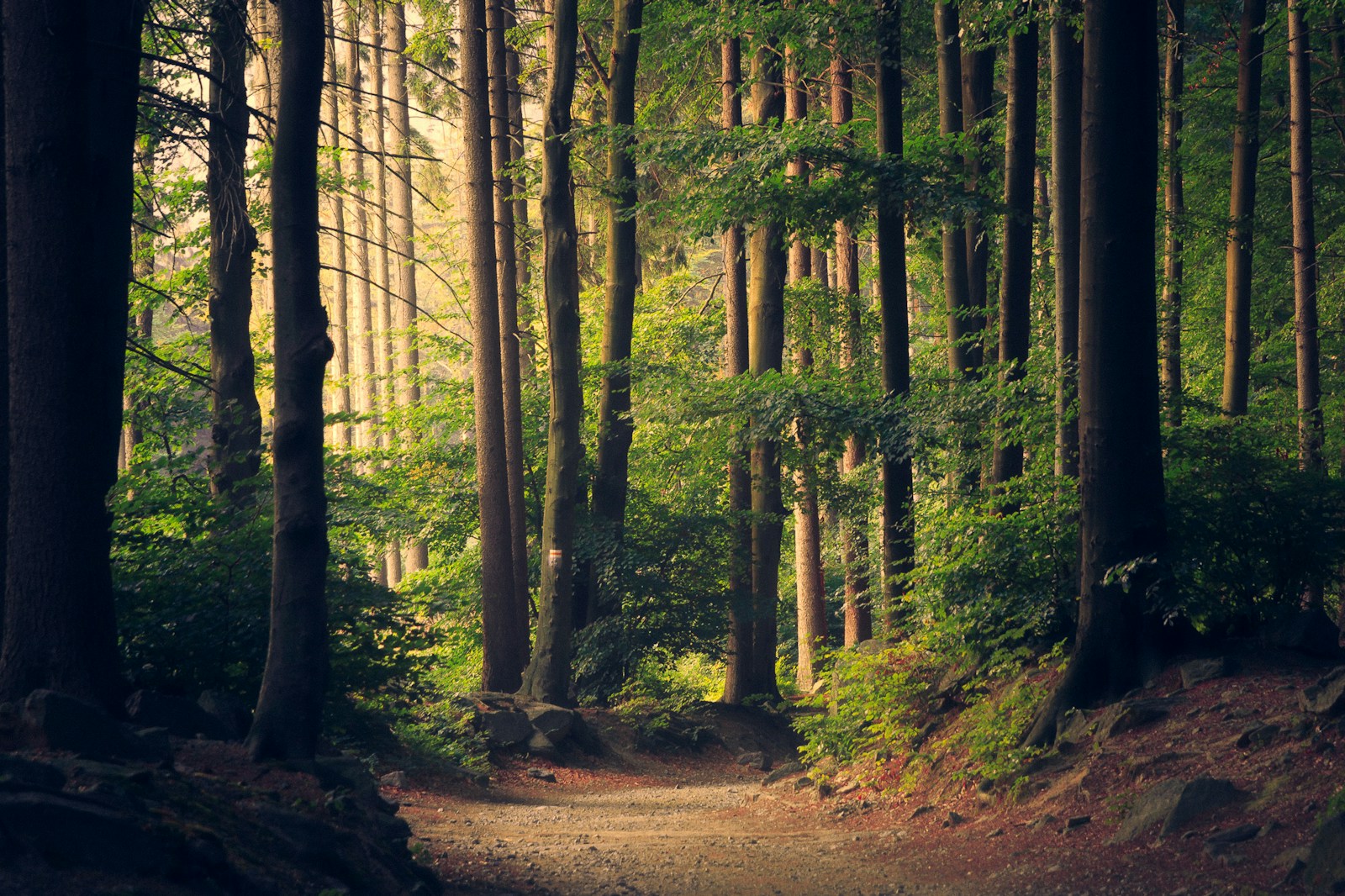
Kankakee State Park
Kankakee River State Park
11 Miles of Riverfront, Limestone Canyons, and Rich Native History
Spanning an impressive 4,000 acres across Kankakee and Will Counties, Kankakee River State Park is one of Illinois’ most beloved and expansive outdoor destinations. The park completely envelops an 11-mile stretch of the Kankakee River—a waterway listed on the Federal Clean Streams Register and historically known by early explorers as the “River of the Miami.”
Whether you are drawn by the seasonal trout runs in Rock Creek, the miles of equestrian and bicycling trails that flank the river, or the rugged limestone canyons that seem entirely out of place in the flat Midwestern landscape, this park offers unrivaled recreational opportunities. Since its humble beginnings as a 35-acre donation in 1938, Kankakee River State Park has matured into a premier, year-round haven for campers, hunters, and hikers seeking an escape just an hour south of Chicago.
Quick Facts: Kankakee River State Park
| Location | Bourbonnais, Illinois (Kankakee & Will Counties) |
| GPS Coordinates | 41.2040° N, 87.9792° W |
| Size | 4,000 Acres |
| Established | 1938 |
| Entry Fee | Free Entry |
| Best Time to Visit | April & October for Trout Season; Fall for Hunting |
| Contact Phone | (815) 933-1383 |
⚠️ River Safety & Swimming Policy
While the Kankakee River is incredibly clean and inviting, swimming is strictly prohibited anywhere in the park. The river features powerful, unpredictable currents, sudden drop-offs, and an uneven, rocky bottom. Wading is permitted for fishing, but extreme caution is required, particularly during high-water periods in the spring.
Top Activities at Kankakee River State Park
The sheer size of the park—straddling both the north and south sides of a major river—means the Illinois Department of Natural Resources has been able to establish distinct zones for highly diverse recreational activities without them overlapping or causing conflicts.
1. Hiking the Limestone Canyons of Rock Creek
While the broad, sweeping Kankakee River is the namesake attraction, the tributary known as Rock Creek is arguably the park’s most stunning geological feature. A 3-mile trail system follows the creek as it carves its way through the landscape, revealing sheer, vertical limestone canyons that tower over the water.
Hikers who follow this route will be rewarded with views of a beautiful natural waterfall, a rare sight in this region of Illinois. In addition to the Rock Creek trails, the park offers extensive hiking options along both sides of the main river. The North Side features flatter, multi-use paths, while the South Side offers more rugged, wooded terrain that transitions into the equestrian zones.
2. Bicycling and Equestrian Trails
For cyclists, Kankakee River State Park boasts a fantastic 10.5-mile bicycle trail. This path runs linearly along the scenic riverfront on the north side of the park, offering a smooth, paved surface perfect for families, casual riders, and rollerbladers. A loop at the western end of the park provides additional mileage.
Equestrians have their own dedicated territory on the south side of the river. A 12-mile designated horseback riding trail winds through dense timber and open fields. A specialized equestrian campground is also available nearby, complete with hitching posts and adequate turning radius for large horse trailers. During the winter months, when the snow is deep enough, this southern trail system is heavily utilized by snowmobilers.
3. Legendary Fishing (Smallmouth & Trout)
The Kankakee River is renowned throughout the Midwest as a premier smallmouth bass fishery. The rocky, relatively shallow river bottom provides the perfect habitat, alongside healthy populations of channel catfish, walleye, and northern pike.
However, the biggest fishing events of the year happen in the smaller tributary. Rock Creek is stocked with catchable-sized trout twice a year (typically in April and October) by the IDNR. Fly-fishermen in chest waders frequently line the creek during these periods. Because the river is shallow and rocky, large motorized boats are dangerous to operate; however, boat ramps are available and strictly limited to craft with motors of 10 horsepower or less, making it ideal for jon boats, canoes, and kayaks.
4. Seasonal Hunting Programs
With 4,000 acres to manage, Kankakee River State Park runs one of the most robust seasonal hunting programs in the Illinois state park system. The park requires specific site permits and utilizes a statewide lottery system for many of its seasons.
- 🏹 Archery Deer: A highly popular bow-hunting season for white-tailed deer is heavily regulated and requires hunters to sign in and utilize designated, numbered hunting sites.
- 🦆 Waterfowl & Upland Game: Firearm hunting is permitted in specific zones for duck, pheasant, turkey, dove, and rabbit.
- 🐿️ Small Game: Squirrel hunting is specifically permitted in the densely wooded areas south of the Kankakee River.
Due to the complex, multi-use nature of the park, hunters must wear blaze orange/pink upper garments in upland areas and strictly adhere to all posted safety zones to protect hikers and campers.
5. Camping at Potawatomi and Chippewa
Overnight visitors have two primary campground options, both heavily praised for their tall, mature timber and well-spaced sites. Potawatomi Campground is the larger and more popular of the two, offering Class A and Class B electric sites, exceptionally clean shower houses, and easy access to the bike trail.
Chippewa Campground offers a slightly more rustic experience with over 150 sites featuring Class B electric and simple Class C primitive options. Like all Illinois state parks, alcoholic beverages are strictly prohibited in the campgrounds at all times, leading to a largely quiet, family-friendly evening atmosphere.
History: The “River of the Miami”
Long before European settlement, the Kankakee River valley was a thriving cultural and ecological center for Native American populations. In the 1670s and 1680s, early French explorers like René-Robert Cavelier, Sieur de La Salle, documented massive settlements of the Illini and Miami tribes along these banks.
By 1685, the Miami population was so dense and prominent in the region that the waterway was commonly referred to on early maps as the “River of the Miami.” The river provided transportation, fresh water, and abundant game, while the islands located within the park boundary today (Smith, Hoffman, Langham, and Willow Islands) offered strategic, defensible positions and specialized hunting grounds.
The modern park was born from philanthropy. In 1938, a local resident named Ethel Sturges Dummer donated the initial 35 acres of land to the state specifically to protect the striking limestone canyons of Rock Creek. The park’s massive expansion to 4,000 acres was largely driven by two massive land donations from the Commonwealth Edison utility company in 1956 and 1989, securing the river corridor against industrial development forever.
🛶 Navigating the Islands
The Kankakee River is dotted with several prominent, heavily wooded islands within the park boundaries—specifically Smith, Hoffman, Langham, and Willow Islands. These are fascinating ecological micro-habitats. Kayakers and canoeists frequently navigate the channels between these islands, which offer excellent, secluded fishing for smallmouth bass holding in the current breaks behind the landmasses.
Frequently Asked Questions (FAQ)
Are dogs allowed at Kankakee River State Park?
Yes, dogs are permitted at Kankakee River State Park. They are welcome in the campgrounds and on the hiking trails, provided they are kept on a leash no longer than 10 feet. Owners must clean up after their pets and ensure they are supervised at all times.
Can I bring a motorboat on the Kankakee River?
Yes, but with strict limitations. The Kankakee River is naturally shallow with a treacherous, rocky bottom. Therefore, outboard motors are strictly limited to a maximum of 10 horsepower. Shallow-draft vessels like jon boats, canoes, and kayaks are highly recommended over traditional V-hull motorboats.
When does trout stocking occur at Rock Creek?
The Illinois Department of Natural Resources (IDNR) typically stocks catchable-sized rainbow trout in Rock Creek twice a year: once in early April for the spring season, and again in October for the fall catch-and-release fly fishing season. Specific dates vary yearly, so consult the IDNR website before traveling.
Can I drink alcohol at the Kankakee River campgrounds?
No. Kankakee River State Park strictly enforces a zero-alcohol policy across all of its facilities, including the Potawatomi and Chippewa campgrounds, picnic areas, and trails. This rule is designed to maintain a quiet, family-friendly environment.
Is there hunting in the park?
Yes, seasonal hunting is a major feature of the 4,000-acre park. Bow hunting for deer is incredibly popular, as is firearm hunting for waterfowl, pheasant, and wild turkey in designated zones. Hunters generally must acquire a specific site permit through the statewide lottery.