Killingly Pond State Park Scenic Reserve
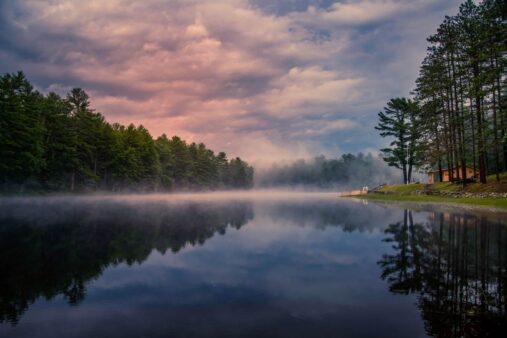
Nestled quietly against the eastern border of Connecticut where it seamlessly meets Rhode Island, you’ll find the Killingly Pond State Park Scenic Reserve. Spanning 162 forested acres, this rugged outdoor sanctuary is anchored by the 122-acre Killingly Pond, a pristine body of water that physically spans the border separating the two New England states.
Often overlooked in favor of the larger, heavily trafficked parks in the region (such as nearby Bigelow Hollow), Killingly Pond State Park is cherished by locals precisely for its lack of massive crowds. It is managed by the Connecticut Department of Energy and Environmental Protection (DEEP) as a scenic reserve, meaning facilities are minimal, but the connection to nature is undisturbed.
Boating and Fishing on Killingly Pond
The undisputed centerpiece of the reserve is the pond itself. Because it is free from the noise of large, high-speed motorboats commonly found on larger lakes, it provides an idyllic setting for passive water recreation.
| Activity Focus | Important Details & Tips |
|---|---|
| Paddling & Kayaking | A dedicated boat launch makes it easy to drop in kayaks, canoes, and paddleboards. The calm waters are excellent for beginners. |
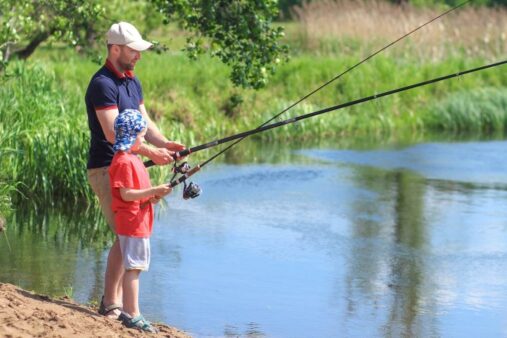
| Trout Fishing | The pond is regularly stocked with trout by DEEP. Spring is the absolute best time for trout fishing near the launch area. |
| Warmwater Fishing | Anglers will also find populations of largemouth bass, smallmouth bass, and chain pickerel near the structural drop-offs. |
Hiking and Wildlife Viewing
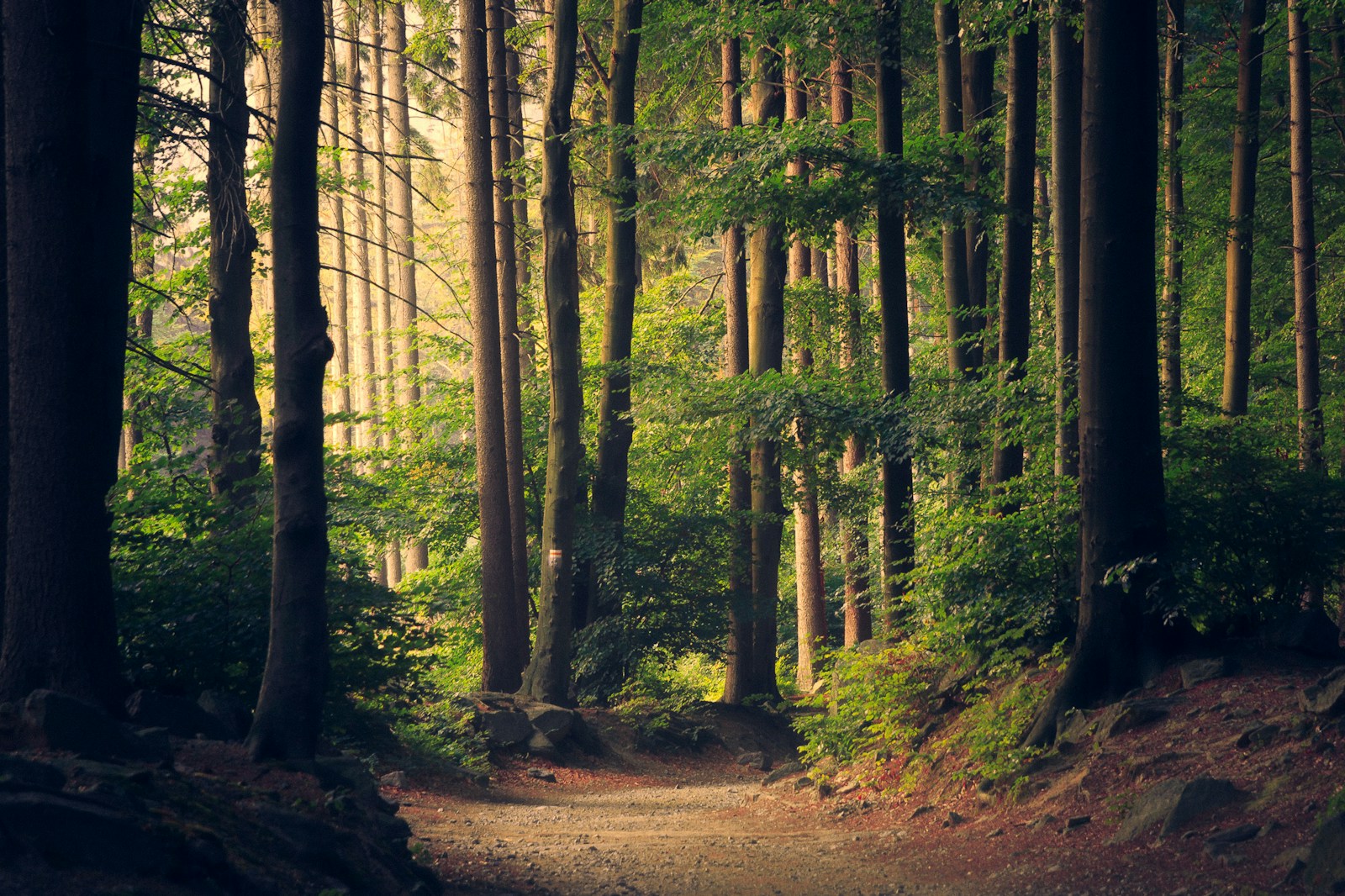
The shoreline of the pond is enveloped by thick, mixed hardwood and evergreen forests. Several unpaved, moderately maintained trails weave through the 162-acre property.
The most popular route for hikers is the Old Killingly Pond Trail. This 1.25-mile loop is relatively flat and provides excellent vantage points over the water. Birdwatchers frequent this trail during the morning hours, as the quiet waters attract substantial numbers of waterfowl, including migrating ducks, geese, and occasionally nesting herons. Deeper in the woods, it is common to spot white-tailed deer, wild turkeys, and an abundance of smaller woodland mammals.
Hunting in the State Park
Unlike many recreation-focused state parks, Killingly Pond operates as a multi-use natural resource area. It is a designated and highly utilized public hunting ground.
During the respective seasons, the park is open for deer and fall turkey bowhunting, as well as firearms hunting for small game, waterfowl, and spring/fall turkeys. Critical Safety Note: All hunting is strictly prohibited on the parcel of land located north of Quinns Hill Road. Non-hunters visiting the park during the autumn months are strongly advised to wear high-visibility blaze orange clothing while hiking.
Frequently Asked Questions
Is there an entrance fee for Killingly Pond State Park?
No, there is currently no parking or entrance fee required to access Killingly Pond State Park, regardless of whether you have Connecticut license plates or are visiting from out of state.
Are there picnic tables and restrooms available?
Yes. Despite being a “scenic reserve” with limited development, the area near the main boat launch does feature a few picnic tables and basic grill setups, as well as primitive restroom facilities (port-a-johns).
Can I drink alcohol at the park?
No. By order of the Connecticut DEEP, the possession and consumption of alcoholic beverages are strictly prohibited anywhere within Killingly Pond State Park.
Are there designated swimming beaches?
No, there are no lifeguards on duty and no officially designated, roped-off swimming beaches. The pond is primarily managed for boating, fishing, and wildlife conservation.