
🌤 Weather at Nehantic State Forest by season
| Spring | Summer | Fall | Winter |
|---|---|---|---|
| 31–65 °F | 58–80 °F | 37–74 °F | 23–44 °F |
Each range runs from the coldest monthly average low to the warmest monthly average high in that season (1991-2020 climate normals), measured at Groton New London Airport, 13 mi away, elevation 10 ft. Conditions at the park can differ from the station, especially where elevation differs — check a forecast before you go.

🏆 Coastal Forest — 6,000+ acre state forest near the Connecticut coast — one of CT’s largest protected areas
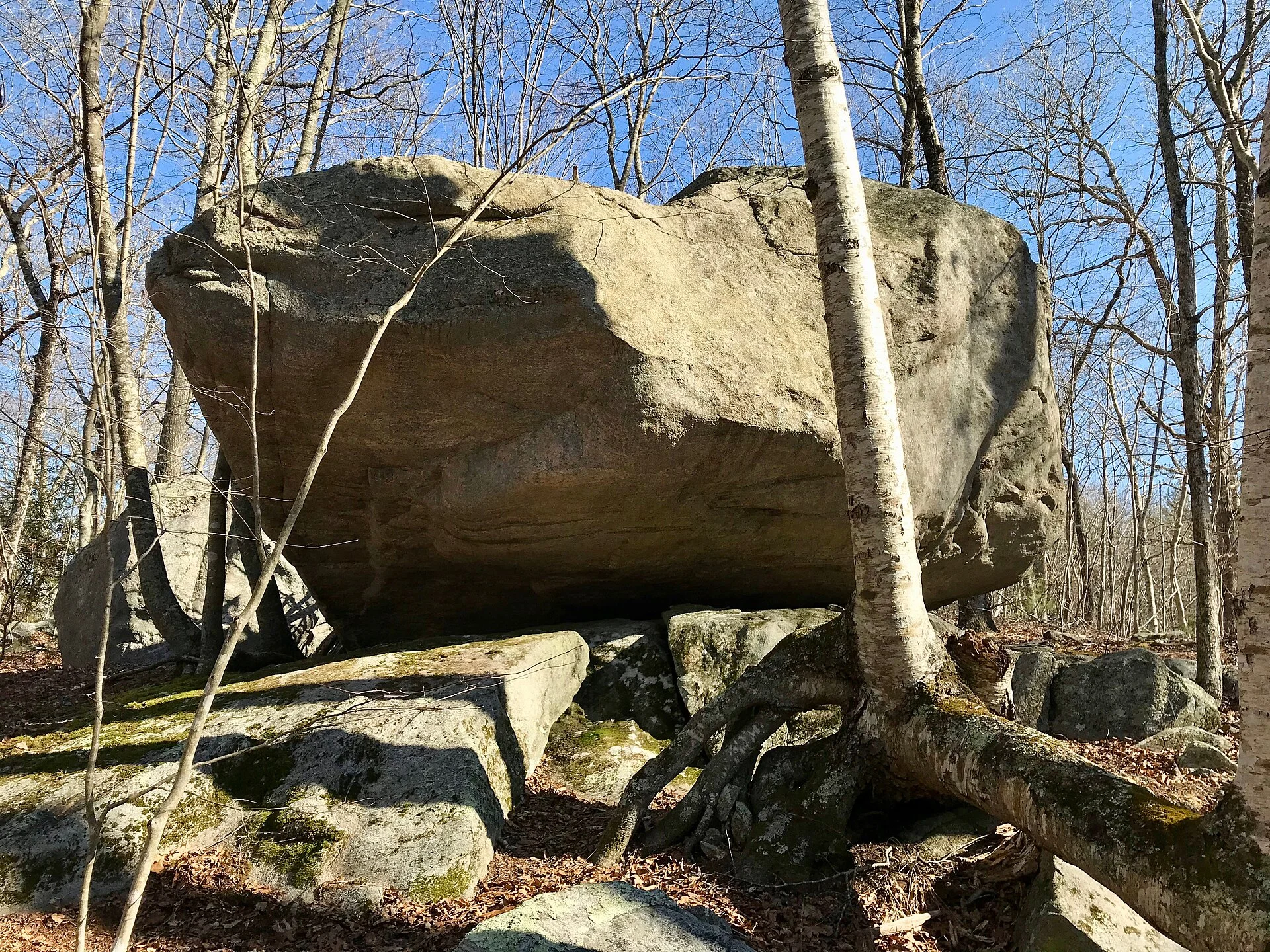
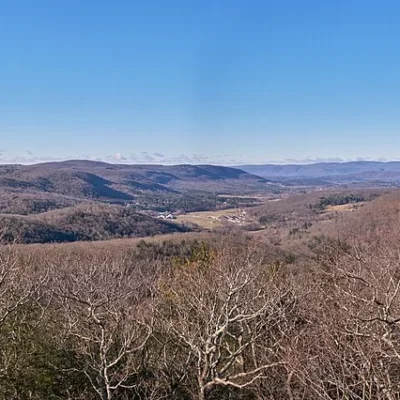
Nehantic State Forest covers over 6,000 acres in the towns of East Lyme, Lyme, and Salem — one of the largest state forests in Connecticut. Named for the Nehantic (or Niantic) tribe who inhabited the coast, the forest includes diverse habitats from coastal woodland to inland swamps. The forest borders the Eightmile River Wild and Scenic watershed and provides key connectivity in southeastern Connecticut’s greenway system.
Visitor Information
| Detail | Information |
|---|---|
| Location | East Lyme/Lyme/Salem, CT |
| Size | 6,000+ acres |
| Entry Fee | Free |
| Name | Nehantic (Niantic) tribe |
Frequently Asked Questions
Who were the Nehantic people?
The Nehantic (Niantic) were an Algonquian-speaking tribe who lived along the Connecticut and Rhode Island coast. Their name survives in the town of Niantic and this forest.
How did CT go from farmland back to forest?
In 1850, Connecticut was 70%+ cleared for farming — stone walls, cellar holes, and apple trees mark former fields now deep in forest. As western farmland opened (Erie Canal, railroads), New England farming couldn’t compete. Farms were abandoned, and forests returned naturally. Today CT is 60% forested — a remarkable reversal. The “reforestation of New England” is one of the great ecological recovery stories — forests returned without any deliberate planting.
About Nehantic State Forest
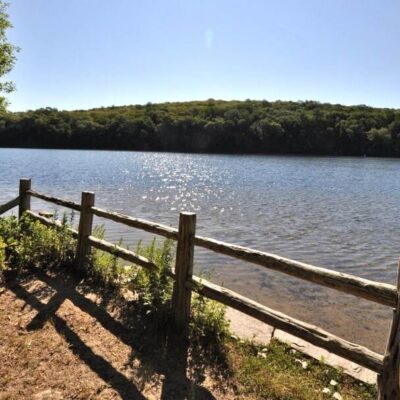
Nehantic State Forest in Lyme and East Lyme covers over 6,000 acres — one of the largest contiguous forests in southeastern Connecticut. Named for the Nehantic people, the forest supports a diverse wildlife community including bobcats, fishers, and the state’s recovering black bear population. Several scenic ponds dot the forest interior.
Things to Do
Hiking on extensive trail network, mountain biking, hunting (deer, turkey, bear), fishing in the forest ponds, horseback riding, and camping. The forest’s size ensures genuine backcountry feel unusual for Connecticut.
Insider Tips
Nehantic people: Named for the Eastern Nehantic (Niantic) tribe — coastal Algonquian people who lived along the CT shoreline. Pro tip: The forest sits on land that was once farmland — stone walls threading through the forest mark the boundaries of abandoned 18th and 19th century farms. Forest succession: CT was 70% cleared farmland in 1850 — today it’s 60% forest, one of the great reforestation stories in US history.
Best Time to Visit
Fall: Southern CT foliage. Spring: Wildflowers. Summer: Shaded forest hiking. Winter: Stone walls visible.
Wildlife & Nature
Nehantic State Forest — named for the Nehantic (or Niantic) people — protects 5,000+ acres in southeastern Connecticut. The forest’s proximity to the coast creates a moderating climate influence — winters are milder and springs arrive earlier than inland. The forest supports a recovering population of cottontail rabbits — both the native New England cottontail and the introduced Eastern cottontail coexist here. Wildlife managers track both species through pellet surveys and camera traps. The forest’s extensive trail network passes through pine plantations (planted in the 1930s by the Civilian Conservation Corps) and natural hardwood forest. Wild turkeys, white-tailed deer, and gray fox are common residents.
Nearby Attractions
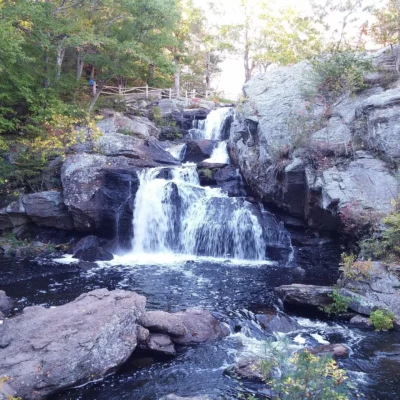
Rocky Neck State Park offers one of Long Island Sound’s best public beaches. Harkness Memorial State Park in Waterford features the Italian Renaissance Harkness mansion and formal gardens. Niantic has a charming boardwalk along the waterfront. Lyme and Old Lyme — birthplace of American Impressionism — feature the Florence Griswold Museum. Millstone Nuclear Power Plant Information Center in Waterford explains nuclear energy. Devil’s Hopyard State Park and its Chapman Falls are within 30 minutes.
Keep exploring: The closest neighbors are Becket Hill State Park Reserve (a short drive away) and Lord’s Cove Wildlife Management Area (a short drive away).
Camping reservations: Book campsites and cabins for Connecticut state parks online at connecticutstateparks.reserveamerica.com.
🌲 Visit Nehantic State Forest
6,000 acres — named for the Nehantic tribe, near the Wild & Scenic Eightmile.

🐾 Dogs & Pets at Nehantic State Forest
- Pets allowed? statewide rule
- Pets on a leash are permitted in most Connecticut state parks and forests, but not in buildings, swimming areas or state park campgrounds.
- Leash rule statewide rule
- Pets must be leashed and under control at all times; in state forest camping areas the leash may be no longer than 7 feet.
- Beaches & swim areas statewide rule
- Pets are prohibited in swimming areas; Sherwood Island and Squantz Pond State Parks ban pets entirely April 15 - September 30.
- Cabins & lodging statewide rule
- Pets are banned from all state park campgrounds; they are allowed only in the American Legion, Pachaug and Salt Rock state forest campgrounds, but not on rustic cabin sites.
- Statewide exceptions statewide rule
- Pets prohibited year-round at Dinosaur State Park and in the formal gardens and beach at Harkness Memorial State Park.
Are dogs allowed at Nehantic State Forest?
Pets on a leash are permitted in most Connecticut state parks and forests, but not in buildings, swimming areas or state park campgrounds. Individual parks can post stricter rules — check signage on arrival.
Rules verified July 2026 via portal.ct.gov. More: Connecticut state parks guide · Dog rules in all 50 states compared
Park Location
Plan your gear for Nehantic State Forest
From our editorial guides, matched to this park’s activities:

Top Tours & Activities Near New London
 from $79
 from $41
 from $550