🌤 Weather at Pigeon Swamp State Park by season
| Spring | Summer | Fall | Winter |
|---|---|---|---|
| 31–72 °F | 60–86 °F | 35–78 °F | 23–45 °F |
Each range runs from the coldest monthly average low to the warmest monthly average high in that season (1991-2020 climate normals), measured at New Brunswick 3 SE, 4 mi away, elevation 111 ft. Conditions at the park can differ from the station, especially where elevation differs — check a forecast before you go.

🏆 Official Guide: Pigeon Swamp State Park — A 1,078-acre New Jersey wetland preserve and National Natural Landmark in South Brunswick — named for the massive flocks of now-extinct passenger pigeons that once roosted in these ancient hardwood forests.
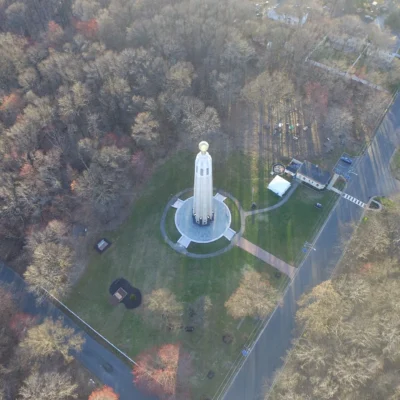
Pigeon Swamp State Park is a largely undeveloped, 1,078-acre preserve in South Brunswick Township, Middlesex County. Unlike most state parks, Pigeon Swamp has no visitor center, no maintained trail system, and no camping — it exists primarily as a protected natural area. The park preserves a significant expanse of wetlands, hardwood forests, and open ponds in the heart of central New Jersey’s suburban sprawl, making it an ecologically critical refuge.
Visitor Information
| Detail | Information |
|---|---|
| Location | South Brunswick Township, Middlesex County, NJ |
| Size | 1,078 acres |
| Entry Fee | Free |
| Designation | National Natural Landmark |
| Facilities | Minimal — undeveloped park |
| Camping | Not available |
| Managed By | NJ Division of Parks and Forestry |
History & Naming
The park takes its name from the passenger pigeon (Ectopistes migratorius), a species that once numbered in the billions — the most abundant bird in North America. Enormous flocks roosted in these swampy forests, darkening the sky for hours as they passed overhead. The passenger pigeon was driven to extinction by commercial hunting and habitat destruction; the last known individual, “Martha,” died at the Cincinnati Zoo on September 1, 1914. Pigeon Swamp stands as a living memorial to one of history’s most dramatic wildlife extinctions.
Revolutionary War Connection
During the American Revolution, the dense swamps and forests of this area served as hiding places for Continental soldiers and local militia. The impenetrable wetlands made pursuit by British forces extremely difficult, providing a natural refuge for patriot forces operating in central New Jersey.
Natural Features
Ecosystems
| Habitat Type | Description |
|---|---|
| Hardwood Forest | Mature oak-hickory canopy with understory of dogwood and spicebush |
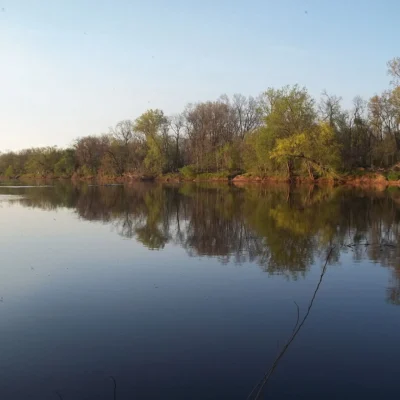
| Freshwater Wetlands | Extensive swamps and vernal pools critical for amphibian breeding |
| Open Ponds | Several small ponds supporting aquatic life and waterfowl |
| Floodplain Forest | Riparian corridors along seasonal streams |
Wildlife
Despite its suburban surroundings, Pigeon Swamp supports surprising biodiversity. The wetlands provide critical habitat for wood ducks, great blue herons, red-tailed hawks, and a variety of amphibians including spring peepers, wood frogs, and spotted salamanders that breed in vernal pools each spring. White-tailed deer, foxes, and wild turkeys are also present.
Visiting Pigeon Swamp
Access
The park is open to the public, but access points are limited. Some sections are fenced and restricted, including areas used as training facilities. The nearby Van Dyke Farm (Middlesex County) offers approximately 1 mile of maintained walking trails with wetland views — a good alternative for those seeking an easier experience.
Hunting Season Warning
Deer hunting is permitted in Pigeon Swamp State Park during designated seasons. Visitors during hunting season should wear blaze orange for safety. Check the NJ Division of Fish & Wildlife website for current hunting season dates.
Insider Tips
Undeveloped gem: Pigeon Swamp is not a typical “go for a hike” park — it’s a protected natural area best appreciated by birders and naturalists. Pro tip: Spring is the best time to visit, when vernal pools come alive with breeding amphibians. Nearby: The adjacent Van Dyke Farm has maintained trails if you want an easier walk.
Best Time to Visit
Spring: Amphibian breeding in vernal pools, migrating songbirds. Fall: Quiet forest walks (wear orange during hunting season). Summer: Dense vegetation, mosquitoes — not ideal. Winter: Leafless canopy reveals bird nests and swamp structure.
Frequently Asked Questions
Why is it called Pigeon Swamp?
The park is named for the passenger pigeon, a now-extinct species that once roosted here in enormous flocks numbering in the millions. The passenger pigeon was the most abundant bird in North America before being hunted to extinction in the early 1900s. The last known passenger pigeon, Martha, died at the Cincinnati Zoo on September 1, 1914.
Are there hiking trails at Pigeon Swamp?
No. Pigeon Swamp State Park is largely undeveloped with no maintained trail system. The terrain is often wet and muddy. For maintained trails nearby, visit Van Dyke Farm in South Brunswick, which offers about 1 mile of easy walking trails with views of vernal wetlands.
Is hunting allowed in Pigeon Swamp?
Yes. Deer hunting is permitted during designated seasons. If visiting during hunting season (typically fall and winter), wear blaze orange clothing for safety. Check the NJ Division of Fish & Wildlife website for specific dates and regulations.
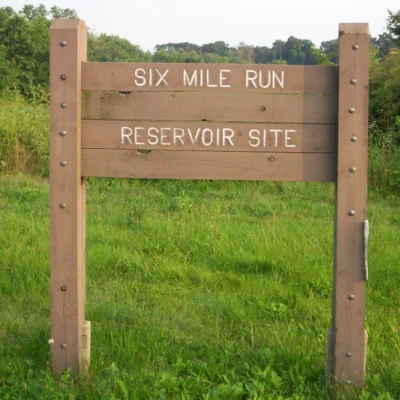
More parks nearby: Six Mile Run Reservoir Site is a short drive away, while D&R Canal State Park Trail lies a short drive away.

🐾 Dogs & Pets at Pigeon Swamp State Park
- Pets allowed? statewide rule
- Pets are allowed in NJ state parks and forests on leash but are prohibited from buildings, swimming beaches and non-designated campsites.
- Leash rule statewide rule
- Leash 6 feet or less, with the pet under physical control at all times.
- Beaches & swim areas statewide rule
- Pets are prohibited from swimming beaches and swimming waters statewide.
- Cabins & lodging statewide rule
- Pets are prohibited from cabins/lodging; the Pet Friendly Camping Program designates campsites at 13 areas (e.g. Round Valley all sites, Allaire 1-8, Bass River 1-85, Stokes 101-137) for up to two dogs or cats per permit.
- Pet fees statewide rule
- $5.00 per night additional charge for a pet-friendly campsite; no day-use pet fee.
- Statewide exceptions statewide rule
- Pet Friendly Camping requires current rabies vaccination with written proof at check-in; caged birds/reptiles only allowed inside RVs.
Are dogs allowed at Pigeon Swamp State Park?
Pets are allowed in NJ state parks and forests on leash but are prohibited from buildings, swimming beaches and non-designated campsites. Individual parks can post stricter rules — check signage on arrival.
Rules verified July 2026 via dep.nj.gov. More: New Jersey state parks guide · Dog rules in all 50 states compared
Park Location
Plan your gear for Pigeon Swamp State Park
From our editorial guides, matched to this park’s activities: