🌤 Weather at Pisgah State Park by season
| Spring | Summer | Fall | Winter |
|---|---|---|---|
| 20–69 °F | 51–82 °F | 27–73 °F | 10–36 °F |
Each range runs from the coldest monthly average low to the warmest monthly average high in that season (1991-2020 climate normals), measured at Keene, 9 mi away, elevation 511 ft. Conditions at the park can differ from the station, especially where elevation differs — check a forecast before you go.

New Hampshire’s Largest Wilderness — 13,000 Acres Without a Single Campsite
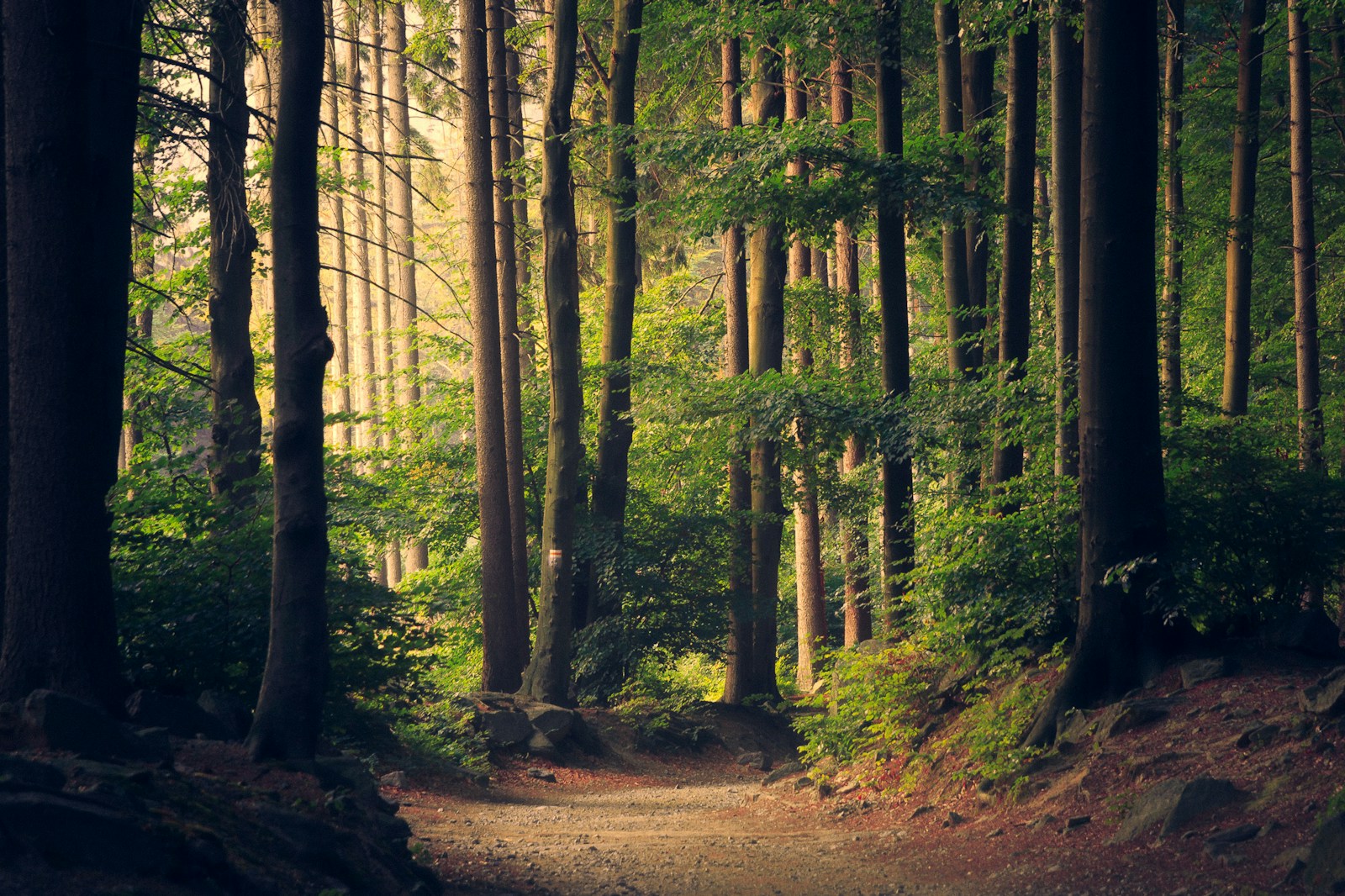
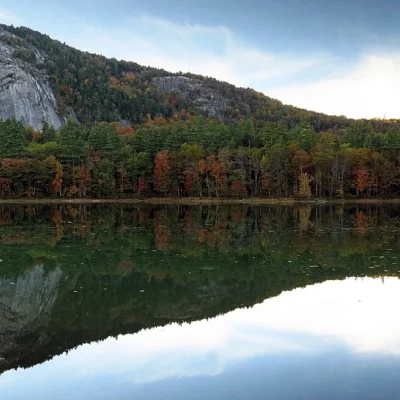
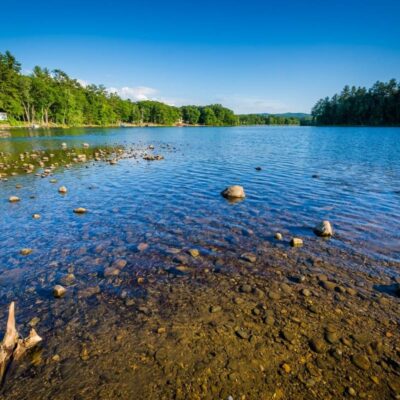
Pisgah State Park is a 13,300-acre wilderness in southwestern New Hampshire — the largest property in the entire New Hampshire State Park system. Yet unlike most parks of this scale, Pisgah has no campgrounds, no developed facilities, no park office, and minimal signage. What it does have is 62 miles of trails threading through an intact watershed of four highland ridges, seven major ponds, countless wetlands, and some of the most unfragmented forest remaining in southern New England.
This is a park for those who want to earn their solitude. The terrain is rugged, the trails are often unmarked, and the backcountry atmosphere can feel closer to northern Maine than suburban New Hampshire. Beavers actively reshape the landscape — damming streams, flooding basins, and creating the kind of dynamic wetland habitat that supports moose, fisher, otter, and a remarkable diversity of birds. If you’re looking for a challenging day hike through genuine New England wilderness — without the crowds of the White Mountains — Pisgah delivers.
Things to Do
Hiking
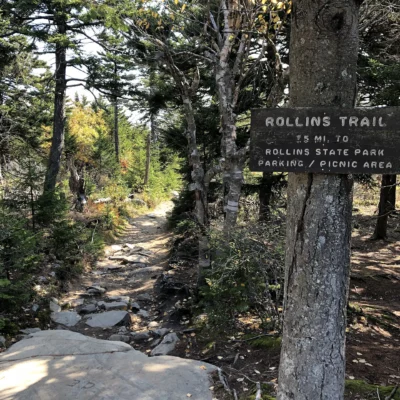
Approximately 62 miles of trails range from easy pond-side walks to demanding ridge traverses. The Pisgah Mountain Loop (~8.5 miles) climbs to scenic views of Mount Monadnock. Six trailheads provide access from different directions. Navigation skills are essential — carry a paper map and compass. Trails can be muddy, overgrown, and lightly marked.
Mountain Biking
Many of the park’s multi-use woods roads and designated trails are open to mountain biking. Popular routes include the Old Chesterfield Road and various loops catering to intermediate and advanced riders. The rugged terrain and remote feel make this one of the most rewarding mountain biking destinations in southern New Hampshire.
Wildlife Watching
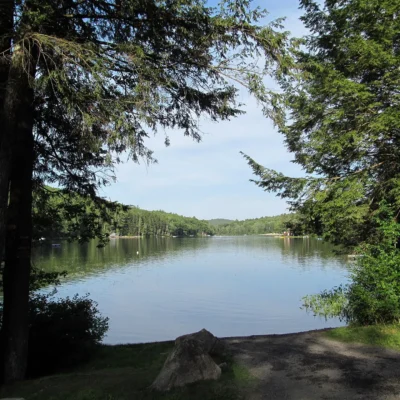
The park’s unfragmented forest and extensive wetlands create exceptional wildlife habitat. Beavers are particularly active, often altering water levels across the park’s basins. Vernal pools support amphibian breeding. The remote ponds attract wading birds, and the deep forest supports species that require large, undisturbed territories.
Trails
| Trail | Distance | Difficulty | Highlights |
|---|---|---|---|
| Pisgah Mountain Loop | ~8.5 mi | Moderate–Strenuous | Summit views of Mt. Monadnock; ridge traverse; deep forest |
| Kilburn Pond Trail | 2.5 mi RT | Easy–Moderate | Scenic pond; beaver activity; birding; quiet water |
| Old Chesterfield Road | 4+ mi | Easy–Moderate | Historic woods road; mountain biking; multi-use; gentle grade |
| Fullam Pond Trail | 3 mi RT | Moderate | Remote pond access; wildlife; solitude |
Camping
No camping is permitted within Pisgah State Park. This is a day-use only park with no developed overnight facilities. For camping in the region, consider nearby Otter Brook State Park (Keene) or private campgrounds in the Monadnock region.
Best Time to Visit
| Season | Highlights | Considerations |
|---|---|---|
| Spring (Apr–May) | Vernal pools; wildflowers; bird migration; high water on ponds | Mud Season — trails often closed or extremely muddy |
| Summer (Jun–Aug) | ⭐ Full trail access; mountain biking; wildlife; lush canopy | Biting insects can be severe June–July; bring repellent |
| Fall (Sep–Oct) | ⭐ Brilliant foliage; hawk migration; crisp hiking; dry trails | Shorter days; hunting season — wear blaze orange |
| Winter (Nov–Mar) | Cross-country skiing; snowshoeing; tracking; solitude | Trailheads may not be plowed; limited daylight |
Visitor Tips
- Navigation essential: Carry a paper trail map and compass. Many intersections are poorly signed. Download the Friends of Pisgah trail map before visiting. Do not rely on phone GPS — cell service is limited.
- No facilities: There are no restrooms, water sources, or services anywhere in the park. Pack out everything you carry in.
- Free admission: Pisgah is one of New Hampshire’s free state parks — no day-use fee required.
- Monadnock alternative: If Mount Monadnock’s trails are overcrowded (as they often are on fall weekends), Pisgah offers a far more secluded alternative with views of Monadnock from Pisgah Ridge.
- Insect preparation: Black flies (May–June) and mosquitoes (June–August) can be intense in the wetland areas. Bring effective repellent and consider a head net.
Nearby Attractions
Keene — 10 miles north — has downtown restaurants and Keene State College. Brattleboro, Vermont — 15 miles west — has arts, culture, and the Retreat Farm. Chesterfield Gorge Natural Area — 5 miles north. Spofford Lake — 5 miles north — has swimming.
Can you camp at Pisgah State Park?
No — camping and fires are strictly prohibited throughout Pisgah State Park. It is a day-use only area with no developed facilities. The park is not to be confused with Pisgah National Forest in North Carolina, which does allow camping. For overnight stays in the area, check nearby Otter Brook State Park or private campgrounds in the Keene/Monadnock region.
How big is Pisgah State Park?
At 13,300 acres, Pisgah is the largest property in the New Hampshire State Park system. It features 62 miles of trails across four highland ridges, seven major ponds, and extensive wetlands. Despite its size, the park has no developed facilities — it’s essentially a wilderness area managed as a state park.
Last updated: April 2026
More parks nearby: Wantastiquet Mountain Natural Area is a short drive away, while Chesterfield Gorge Natural Area lies a short drive away.
Camping reservations: Book campsites and cabins for New Hampshire state parks online at newhampshirestateparks.reserveamerica.com.

🐾 Dogs & Pets at Pisgah State Park
- Pets allowed? statewide rule
- Many NH state parks allow pets year-round, but policies vary by park and some parks prohibit pets entirely.
- Leash rule statewide rule
- Standard or retractable leash not greater than 6 feet required; animals may not be left unattended.
- Beaches & swim areas statewide rule
- Pets are prohibited at beaches and designated swim areas seasonally from May 1 through September 30.
- Cabins & lodging statewide rule
- Pets are permitted at 13 campgrounds (including Bear Brook, Coleman, Greenfield, Lake Francis, Milan, Mollidgewock, Moose Brook, Pawtuckaway, Pillsbury, Sunapee and Umbagog); cabin/yurt rules vary by park — check before booking.
- Statewide exceptions statewide rule
- Monadnock, North Hampton State Beach, Odiorne Point and most of Rhododendron State Park prohibit pets year-round; Crawford Notch, Franconia Notch and Mount Washington allow pets only on hiking trails and designated dog-walk areas.
Are dogs allowed at Pisgah State Park?
Many NH state parks allow pets year-round, but policies vary by park and some parks prohibit pets entirely. Individual parks can post stricter rules — check signage on arrival.
Rules verified July 2026 via nhstateparks.org. More: New Hampshire state parks guide · Dog rules in all 50 states compared
Park Location
Plan your gear for Pisgah State Park
From our editorial guides, matched to this park’s activities:

Top Tours & Activities Near Massachusetts
 from $550
 from $45
 from $35