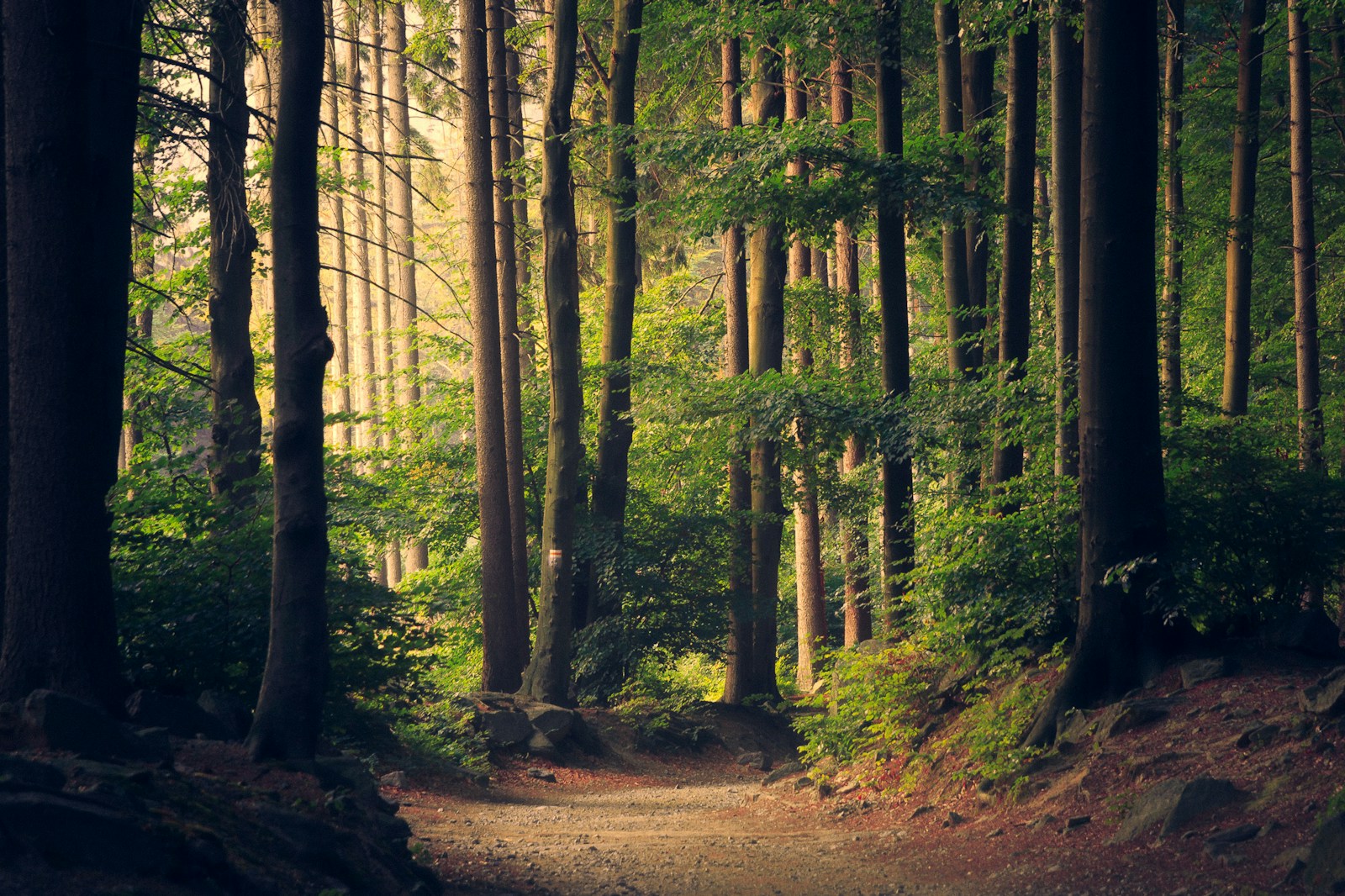
Pixley Falls State Park
Standing at the misty base of Pixley Falls, watching fifty feet of whitewater thunder down a shale cliff face into a pool fringed with ferns, it’s hard to believe you’re just a short walk from your car. This 375-acre gem in Oneida County is one of Upstate New York’s best-kept waterfall secrets — a place where the roar of Lansing Kill drowns out the modern world and century-old canal ruins whisper stories of the Erie Canal era beneath a canopy of towering hemlocks and northern hardwoods.
Pixley Falls State Park sits along Route 46 between Rome and Boonville, straddling the Tug Hill Plateau’s eastern edge. It’s a day-use park that punches far above its weight: four distinct hiking trails, world-class trout fishing, ruins of the 19th-century Black River Canal, and winter snowshoeing through landscapes that look like they belong in a Currier and Ives painting. Best of all? Admission is completely free, every day of the year.
Top Trails at Pixley Falls
Pixley Falls offers four distinct trails that explore the park’s waterfall gorge, forested ridges, and historic canal corridor. Whether you have 45 minutes or half a day, there’s a trail that fits your timeframe and fitness level. Spring and early summer after rainfall deliver the most spectacular waterfall views.
| Trail Name | Distance | Difficulty | Elevation Gain | Highlights |
|---|---|---|---|---|
| Pixley Falls Gorge Trail | 1.0 mile | Easy | 120 ft | Direct access to 50-ft falls, gorge views, hemlock forest |
| Pixley Falls Loop Trail | 2.2 miles | Moderate | 210 ft | Complete waterfall + forest circuit, mixed hardwoods, wildflowers |
| North Country Scenic Trail | 3.5 miles | Moderate | 350 ft | Segment of the 4,600-mile NCST, varied terrain, remote forest |
| Ridge Overlook Trail | 1.6 miles | Moderate | 180 ft | Panoramic forest views from ridge, best fall foliage vantage |
Trail Details by Season
The Pixley Falls Gorge Trail is the park’s signature route and the fastest path to the 50-foot waterfall. This easy one-mile out-and-back follows Lansing Kill through a cathedral of Eastern hemlocks, their branches filtering sunlight into dappled patterns on the forest floor. At the falls overlook, the spray creates its own microclimate — a welcome natural air conditioner on humid summer days. The trail surface transitions from packed earth to exposed rock near the gorge, so take your time on the final approach.
For a fuller experience, the Pixley Falls Loop Trail extends the gorge walk into a 2.2-mile circuit through northern hardwood forest. The loop’s upper portions pass through stands of sugar maple, American beech, and yellow birch that explode with color in October. Spring wildflower enthusiasts will find trillium, jack-in-the-pulpit, and wild ginger along the forest floor from late April through May.
History buffs will gravitate to the North Country Scenic Trail segment. This 3.5-mile stretch follows portions of the old Black River Canal towpath, where you can still spot stone lock walls and canal channel remnants dating to the 1850s. The canal once connected the Black River region to the Erie Canal, serving as a vital transportation artery for lumber, grain, and agricultural products. Today, the towpath makes for flat, meditative walking through second-growth forest.
The Ridge Overlook Trail rewards a modest climb with sweeping views across the Lansing Kill valley. This 1.6-mile trail gains 180 feet through mixed forest before reaching a rocky outcrop that serves as the park’s premier viewpoint. In autumn, the view encompasses a rolling sea of crimson, gold, and bronze stretching to the Tug Hill Plateau horizon.
The Waterfall — Heart of the Park
Pixley Falls is the main event — a stunning 50-foot cascade where Lansing Kill plunges over a ledge of Ordovician shale into a swirling plunge pool. The falls are at their most powerful in spring when snowmelt from the Tug Hill Plateau swells the creek to peak volume. Even in summer’s lower flows, the falls maintain an elegant beauty, the water splitting into several braided streams over the moss-covered rock face.
What makes Pixley Falls special beyond its height is its accessibility and setting. A short, well-maintained trail brings you to a viewpoint where the spray mists your face and the roar fills your ears. The gorge walls rise steeply on either side, draped in hemlock and decorated with ferns, creating a natural amphitheater that concentrates the sound and the visual drama.
📸 Photography Guide: Capturing Pixley Falls
- Best light: Overcast days eliminate harsh shadows and produce even lighting across the falls — don’t wait for sunshine
- Shutter speed: Use 1/4 to 2 seconds with a tripod for silky water effects; faster speeds freeze individual drops
- Best season: Late April to mid-May for peak water volume; early October for fall foliage framing
- Polarizing filter: Reduces glare on wet rocks and deepens fall colors — essential for this location
- Composition: Include the hemlock branches as a natural frame; get low for foreground interest with mossy rocks
Fishing at Pixley Falls
Lansing Kill is classified as a mountain trout stream, and it’s one of the better trout-fishing creeks in Oneida County. The stream originates west of Alder Creek and flows through the park’s hemlock-shaded gorge before joining the Mohawk River five miles north of Westernville. Cold, clean water fed by springs and forest runoff creates ideal conditions for native brook trout and stocked brown trout.
| Species | Season | Best Spots | Techniques |
|---|---|---|---|
| Brook Trout (native) | Apr–Sep | Upper feeder streams, shaded pools | Dry flies, small spinners, worms |
| Brown Trout (stocked) | Apr–Nov | Deeper pools below falls, undercut banks | Nymphs, woolly buggers, minnow imitations |
The Black River Canal — History Beneath Your Feet
One of Pixley Falls’ most fascinating features lies not in its natural beauty but in its history. The park preserves significant remnants of the Black River Canal, a 35-mile waterway built between 1838 and 1855 to connect the Black River valley with the Erie Canal system. At its peak, the canal carried lumber, potash, iron ore, and agricultural products through 109 locks — an astonishing engineering feat for the era.
Walking the old towpath today, you can still trace the canal channel through the forest and spot stonework from original lock walls. The canal’s decline came with the arrival of the railroad in the 1860s, and it was officially abandoned in 1924. Now, the ruins are slowly being reclaimed by moss and trees, creating an atmospheric blend of human engineering and natural regeneration that feels like discovering a lost civilization in the Upstate New York woods.
🏛️ Black River Canal: Key Facts
- Construction: 1838–1855 (17 years to complete)
- Length: 35 miles from Rome to Lyons Falls
- Locks: 109 locks with a total rise of 1,082 feet
- Connection: Linked the Black River Basin to the Erie Canal at Rome
- Abandoned: 1924, after railroad competition made it obsolete
- Legacy: Canal towpath now serves as part of the North Country Scenic Trail
Winter Activities
Pixley Falls transforms into a winter wonderland from December through March. The Tug Hill Plateau’s proximity guarantees heavy snowfall — often 200+ inches per season — making this one of the snowiest parks in the New York State Parks system. Cross-country skiing and snowshoeing are the primary winter draws.
| Activity | Season | Where | Details |
|---|---|---|---|
| Cross-Country Skiing | Dec–Mar | Black River Canal towpath, Loop Trail | Ungroomed trails, moderate terrain, bring own equipment |
| Snowshoeing | Dec–Mar | All trails | Park’s deep snow makes snowshoes essential, access to frozen falls |
| Winter Photography | Dec–Feb | Gorge Trail to falls | Frozen/partially frozen waterfall — spectacular ice formations |
| Winter Hiking | Nov–Apr | Gorge Trail, Ridge Overlook | Microspikes recommended, limited daylight hours |
Bird Watching and Wildlife
The park’s 375 acres of mixed northern hardwood and hemlock forest, combined with the riparian corridor along Lansing Kill, create diverse habitat for forest birds and woodland wildlife. The old-growth hemlock stands along the gorge are particularly valuable for species that depend on mature conifer forest.
| Species | Season | Habitat | Likelihood |
|---|---|---|---|
| Pileated Woodpecker | Year-round | Mature hardwood forest | Common — listen for drumming |
| Black-throated Green Warbler | May–Sep | Hemlock stands along gorge | Common in breeding season |
| Barred Owl | Year-round | Deep forest, near stream | Moderate — best at dawn/dusk |
| White-tailed Deer | Year-round | Forest edges, trails | Very common |
| Eastern Box Turtle | May–Sep | Forest floor, sunny spots | Occasional |
| Red-spotted Newt | Apr–Oct | Streams, moist forest floor | Common — look near pools |
| Great Blue Heron | Apr–Oct | Along Lansing Kill | Occasional — fishing the shallow pools |
Seasonal Guide
Pixley Falls rewards visitors in every season, but each offers a dramatically different experience. The park’s extreme snowfall zone location means winter arrives early and spring comes late — plan accordingly.
| Season | Months | Highlights | Conditions |
|---|---|---|---|
| 🌸 Spring | Apr–May | Peak waterfall flow, wildflowers, trout opener | Trails muddy, stream crossings high, 40–65°F |
| ☀️ Summer | Jun–Aug | Full foliage canopy, warm hiking, fishing | Dry trails, some low water at falls, 65–85°F, bugs in June |
| 🍂 Fall | Sep–Oct | Spectacular foliage, Ridge Overlook views, fewer crowds | Crisp hiking weather, 45–65°F, peak color mid-Oct |
| ❄️ Winter | Nov–Mar | Frozen waterfall, XC skiing, snowshoeing, ice photography | Deep snow (200+ inches/season), unpaved roads may close, 10–35°F |
Entrance Fees and Budget Planning
Pixley Falls State Park is one of New York’s most budget-friendly outdoor destinations. There are no entrance fees, no parking fees, and no permit requirements for hiking. This makes it an exceptional choice for families and budget-conscious adventurers looking for a premium waterfall experience without the premium price tag.
| Item | Cost | Notes |
|---|---|---|
| Park Entrance | Free | Year-round, no vehicle fee |
| Parking | Free | Main lot near picnic area |
| Hiking | Free | All trails open, no permits needed |
| Fishing License (NY) | $25–$50 | Required for ages 16+, annual resident $25 |
| Picnic Area | Free | Tables available on first-come basis |
💰 Budget Day-Trip Estimate
- Gas from Rome (18 mi): ~$5 round trip
- Gas from Syracuse (60 mi): ~$15 round trip
- Gas from Utica (30 mi): ~$8 round trip
- Pack a picnic lunch: $0 (use the free picnic tables)
- Total day trip from Utica: Under $10 per person for a family of four
Camping Nearby
Pixley Falls State Park is day-use only — camping is not permitted within the park and has not been available since 2010. However, several nearby state parks offer excellent campgrounds within easy driving distance, allowing you to combine a Pixley Falls visit with an overnight outdoor adventure.
| Campground | Distance | Sites | Features | Price Range |
|---|---|---|---|---|
| Delta Lake State Park | 18 miles south | 101 sites | Lakefront camping, beach, boat launch | $18–$28/night |
| Verona Beach State Park | 30 miles south | 45 sites | Oneida Lake beach, nature trails, fishing | $18–$28/night |
Safety and Regulations
| Rule / Hazard | Details |
|---|---|
| Stay on marked trails | Gorge rim is unfenced — steep drops and slippery rock near the falls |
| No swimming or wading | Swimming in the gorge and falls pool is prohibited due to swift currents and submerged rocks |
| Dogs must be leashed | Leash required at all times, max 6-foot leash |
| No camping or fires | Day-use only park — no camping, no campfires, no grills (portable stoves OK in picnic area) |
| Seasonal hunting | Hunting permitted in season — wear blaze orange during hunting seasons (Oct–Dec) |
| Winter road conditions | Parking lots and access roads may not be plowed — call ahead in winter |
| Cell service | Generally available but spotty in the gorge — don’t rely on it for navigation |
How to Get to Pixley Falls
Pixley Falls State Park is located at 11430 State Route 46, Boonville, NY 13309, approximately 18 miles north of Rome and 6 miles southwest of Boonville. The park is easily accessible from several major Upstate New York cities.
| From | Distance | Drive Time | Route |
|---|---|---|---|
| Rome, NY | 18 miles | 25 min | NY-46 North — park entrance on left |
| Utica, NY | 30 miles | 40 min | NY-8 North to NY-46 North |
| Syracuse, NY | 60 miles | 1 hr 10 min | I-90 East to NY-46 North from Rome |
| Boonville, NY | 6 miles | 10 min | NY-46 South — park entrance on right |
| Albany, NY | 130 miles | 2 hr 15 min | I-90 West to Rome, then NY-46 North |
Nearby Attractions
The Mohawk Valley and Tug Hill region surrounding Pixley Falls offer plenty of options to extend your visit beyond a single-park day trip.
- Delta Lake State Park — 18 miles south. Swimming beach, lakefront camping, and a 2,500-acre reservoir popular for boating, fishing, and picnicking.
- Verona Beach State Park — 30 miles south on Oneida Lake. Sandy beach, nature trails, and scenic sunsets over one of New York’s largest lakes.
- Erie Canal Village (Rome) — 18 miles south. Living-history museum recreating an 1840s canal village, perfect companion to seeing the Black River Canal ruins at Pixley Falls.
- Fort Stanwix National Monument (Rome) — 18 miles south. Reconstructed Revolutionary War fort where the American flag was first flown in battle (1777).
- Lansing Kill Falls — 2.4 miles north on the same creek. A lesser-known upstream waterfall (also called Bakers Falls) that few visitors discover.
- Tug Hill Plateau — The vast, sparsely populated plateau to the west offers backcountry skiing, snowmobiling, and remote hiking in one of the snowiest regions east of the Rockies.
What to Pack
| Season | Essentials | Nice to Have |
|---|---|---|
| Spring (Apr–May) | Waterproof boots, rain jacket, layers | Binoculars, wildflower guide, polarizing filter |
| Summer (Jun–Aug) | Water, sunscreen, bug spray, sturdy shoes | Fishing gear, picnic supplies, camera tripod |
| Fall (Sep–Oct) | Layers, sturdy hiking shoes, water | Telephoto lens for foliage, trail snacks |
| Winter (Nov–Mar) | Snowshoes/XC skis, insulated boots, full winter layers | Hand warmers, thermos, ice grippers, microspikes |
History of Pixley Falls State Park
Pixley Falls takes its name from a local family, though the area’s deeper history stretches back millennia. The Oneida Nation, part of the Haudenosaunee (Iroquois) Confederacy, were the original stewards of this land, using Lansing Kill and the surrounding forest as hunting and fishing grounds.
European settlement in the late 18th century brought dramatic change. The construction of the Black River Canal between 1838 and 1855 transformed the area into a crucial transportation corridor. The canal’s 109 locks — ascending over 1,000 feet in elevation — represented one of the most ambitious engineering projects in pre-Civil War America. At its peak, the canal supported thriving communities of boatmen, lock tenders, and merchants along its entire 35-mile length.
The canal era was short-lived. Railroad competition devastated canal traffic by the 1870s, and the waterway was formally abandoned in 1924. The state acquired the land around Pixley Falls in the mid-20th century, establishing it as a state park to preserve both the natural beauty of the waterfall gorge and the archaeological significance of the canal ruins. Today, the park serves as a living museum where visitors can walk the same towpaths once trodden by mule teams hauling barges through the Mohawk Valley wilderness.
Frequently Asked Questions
Is there an entrance fee at Pixley Falls State Park?
No. Pixley Falls State Park is completely free to visit year-round. There are no entrance fees, no parking fees, and no permit requirements for hiking or picnicking.
Can you camp at Pixley Falls State Park?
No, camping is not permitted at Pixley Falls. The park has been day-use only since 2010. The nearest camping options are Delta Lake State Park (18 miles south) and Verona Beach State Park (30 miles south).
How long is the hike to Pixley Falls?
The Pixley Falls Gorge Trail is a 1-mile easy walk that takes approximately 45 minutes round trip. The trailhead starts near the parking area and picnic grounds. For a longer experience, the Loop Trail extends to 2.2 miles.
Is Pixley Falls State Park open in winter?
Yes, the park is open year-round. However, winter access can be limited as parking lots and roads may not be plowed consistently. The frozen waterfall in January–February is spectacular, and the trails are popular for snowshoeing and cross-country skiing. Call 315-337-4670 for current conditions.
Are dogs allowed at Pixley Falls?
Yes, dogs are welcome but must be kept on a leash no longer than 6 feet at all times. Be aware that portions of the Gorge Trail can be narrow and slippery — use caution with larger dogs near the falls viewpoint.
Can you swim at Pixley Falls?
No. Swimming and wading are prohibited in the gorge and at the base of the falls. The swift currents, submerged rocks, and cold water temperatures make the area dangerous for swimming.
What is the best time to visit Pixley Falls?
Spring (April–May) offers the most dramatic waterfall when snowmelt swells Lansing Kill. Fall (mid-October) delivers stunning foliage from the Ridge Overlook Trail. Winter visitors can see spectacular ice formations at the frozen falls. Summer is best for fishing and comfortable hiking.
What are the ruins along the trail at Pixley Falls?
The stone ruins along the North Country Scenic Trail are remnants of the Black River Canal, built between 1838 and 1855. The canal connected the Black River valley to the Erie Canal system. You can still see original lock walls and canal channel outlines along the old towpath.
Plan Your Visit to Pixley Falls State Park
Experience one of Upstate New York’s most beautiful waterfalls — completely free, year-round. Whether you come for the spring thunder, fall foliage, or frozen winter formations, Pixley Falls delivers a premium outdoor experience without the premium price.