
🌤 Weather at Poison Springs Battleground State Park by season
| Spring | Summer | Fall | Winter |
|---|---|---|---|
| 41–81 °F | 67–92 °F | 40–85 °F | 31–57 °F |
Each range runs from the coldest monthly average low to the warmest monthly average high in that season (1991-2020 climate normals), measured at Sparkman, 15 mi away, elevation 170 ft. Conditions at the park can differ from the station, especially where elevation differs — check a forecast before you go.

🏆 Arkansas — Site of the April 18, 1864 battle where Confederates ambushed a Union foraging expedition — the engagement is notorious for allegations of the massacre of soldiers from the 1st Kansas Colored Infantry after they surrendered. The battlefield preserves this important Civil War and African American history.
Visitor Information
| Detail | Info |
|---|---|
| Location | Arkansas |
About Poison Springs
Poison Springs Battleground State Park in Ouachita County preserves the site of one of the Civil War’s most controversial engagements. On April 18, 1864, Confederates — including Choctaw Indian troops — attacked a Union foraging train, killing many members of the 1st Kansas Colored Infantry after they had surrendered. The massacre of Black soldiers paralleled the Fort Pillow massacre two days earlier, marking some of the war’s worst racial atrocities.
Things to Do
Walking the battlefield trail, reading interpretive markers about the controversial battle, studying the role of African American and Native American troops in the Civil War, and completing the Camden Expedition battle circuit.
Plan Your Visit
The battlefield is a solemn site — the massacre of surrendered African American soldiers here and at Fort Pillow (two days earlier) changed the calculus of the Civil War. Union forces adopted “Remember Fort Pillow” as a battle cry. Interpretive panels provide context for this difficult history. Camden (15 miles north) preserves the Confederate defensive works that prompted the Union expedition. Open year-round; free admission. Allow time for reflection.
Insider Tips
Controversial battle: Poison Springs (April 18, 1864) saw the 1st Kansas Colored Infantry suffer 50%+ casualties — allegations of murdered prisoners haunted the battlefield. Pro tip: Choctaw Confederate soldiers also fought at Poison Springs — Native Americans served on both sides of the Civil War. Foraging: The battle began when Confederates attacked a Union foraging party gathering corn.
Frequently Asked Questions
Did Native Americans fight in the Civil War?
Yes — approximately 20,000 Native Americans served in the Civil War, on both sides. The Cherokee Nation was deeply divided — Stand Watie became the last Confederate general to surrender (June 23, 1865). The Choctaw, Chickasaw, and some Creek allied with the Confederacy. Other factions and tribes (including many Cherokee and Creek) fought for the Union. The Civil War devastated Indian Territory — it became a civil war within a civil war.
Nearby state parks: If you have extra time, White Oak Lake State Park is a short drive away, and Logoly State Park is within about an hour’s drive.
Wildlife & Nature
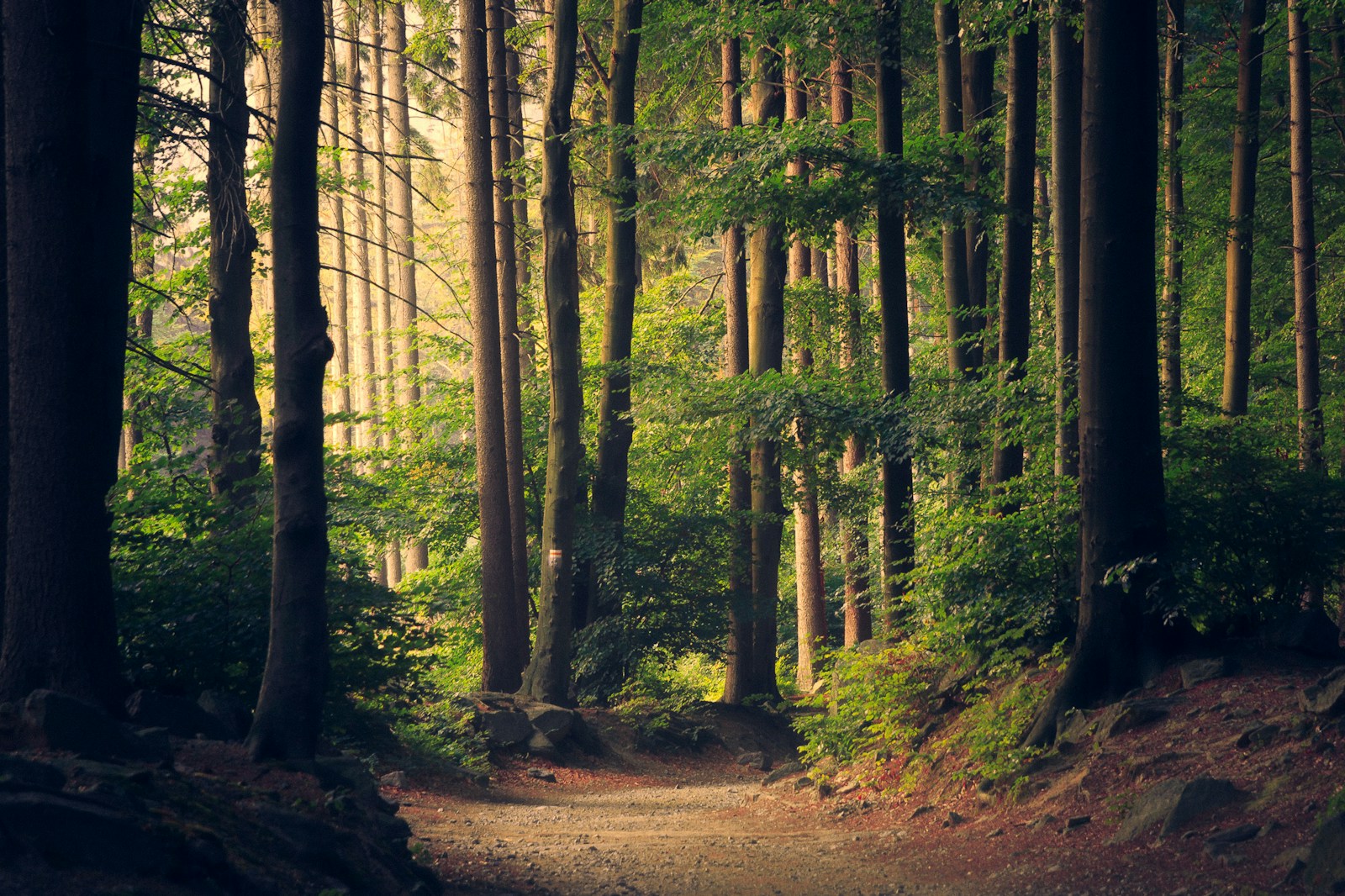
Poison Springs Battleground SP — site of the Battle of Poison Springs (April 18, 1864) — a Confederate victory marked by controversy over the treatment of captured African American soldiers of the 1st Kansas Colored Infantry. The park’s Ouachita forest and springs support white-tailed deer and songbirds.
Nearby Attractions
Camden — 10 miles east. Ouachita River — nearby.

🐾 Dogs & Pets at Poison Springs Battleground State Park
- Pets allowed? statewide rule
- Pets are allowed in Arkansas State Parks, including many trails, but must be restrained and under the owner's direct physical control at all times.
- Leash rule statewide rule
- Pets must be leashed, caged or otherwise restrained under direct physical (not verbal) control; no maximum leash length is specified.
- Beaches & swim areas statewide rule
- Pets (other than service animals) are not permitted at swimming beaches or pools at any time, nor in public buildings.
- Cabins & lodging statewide rule
- Designated dog-friendly cabins and lodge rooms exist at all lodging parks (about 25% of cabins at 14+ parks incl. Petit Jean, Mount Magazine, DeGray Lake Resort, Devil's Den); limit 2 dogs per unit, non-refundable per-dog fee at check-in, proof of vaccinations required.
- Pet fees statewide rule
- No day-use pet fee; a non-refundable per-dog fee applies for dog-friendly cabins/lodge rooms.
- Statewide exceptions statewide rule
- Only dogs (no other pet types) are allowed in lodging units.
Are dogs allowed at Poison Springs Battleground State Park?
Pets are allowed in Arkansas State Parks, including many trails, but must be restrained and under the owner's direct physical control at all times. Individual parks can post stricter rules — check signage on arrival.
Rules verified July 2026 via codeofarrules.arkansas.gov. More: Arkansas state parks guide · Dog rules in all 50 states compared
Park Location
Top Tours & Activities Near Hot Springs
 from $66
 from $17
 from $20