
🌤 Weather at Robert Frost Farm State Historic Site by season
| Spring | Summer | Fall | Winter |
|---|---|---|---|
| 24–68 °F | 54–82 °F | 30–73 °F | 15–38 °F |
Each range runs from the coldest monthly average low to the warmest monthly average high in that season (1991-2020 climate normals), measured at W Hampstead, 6 mi away, elevation 288 ft. Conditions at the park can differ from the station, especially where elevation differs — check a forecast before you go.

✍️ The Farm Where America’s Greatest Poet Found His Voice — Robert Frost Farm State Historic Site in Derry, New Hampshire, where Robert Frost lived 1900–1911, wrote “Mending Wall,” “After Apple-Picking,” “The Tuft of Flowers,” “Tree at My Window,” and “The Road Not Taken” was inspired by walks in these woods, restored 1884 farmhouse, apple orchard, Hyla Brook, nature/poetry trail, four-time Pulitzer Prize winner — Rockingham County, NH
In 1900, a 26-year-old failed farmer and part-time teacher named Robert Frost moved to a small farmhouse in Derry, New Hampshire. Over the next eleven years, walking these fields and mending these stone walls, he wrote the poems that would make him the most celebrated American poet of the twentieth century.
“Mending Wall.” “After Apple-Picking.” “The Tuft of Flowers.” “Tree at My Window.” The stone wall is still here. The apple trees still bear fruit. The brook — Hyla Brook, which he named in a poem — still runs through the property.
What to See
| Feature | Details |
|---|---|
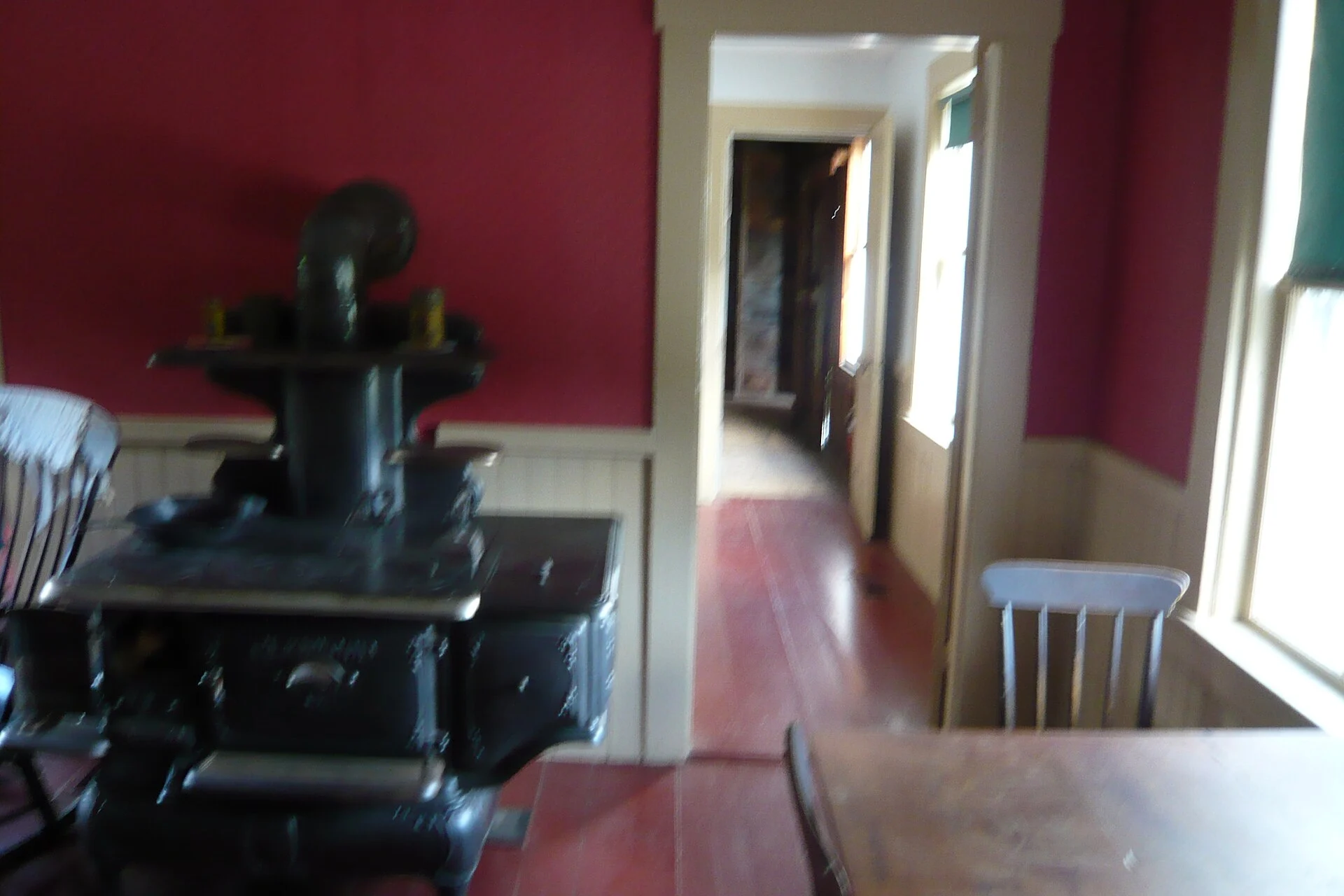
| The Farmhouse | Restored 1884 New England farmhouse where Frost lived with his wife Elinor and their children from 1900 to 1911. Period furnishings. The kitchen where he wrote late at night after the family slept |
| The Orchard | Apple orchard that inspired “After Apple-Picking.” Heritage apple trees. The orchard overlooks the fields where Frost walked and observed nature |
| The Stone Wall | The actual stone wall between the Frost property and his neighbor’s — the wall that inspired “Mending Wall” and the line: “Good fences make good neighbors” |
| Hyla Brook | The seasonal brook running through the property — named by Frost in his poem “Hyla Brook.” “We love the things we love for what they are” |
| Nature/Poetry Trail | Half-mile walking trail through the property with poetry stations — Frost’s poems displayed at the locations that inspired them |
| Barn | Restored New England barn. Seasonal poetry readings and events in summer |
The Timeline
| Year | Event |
|---|---|
| 1874 | Robert Lee Frost born in San Francisco. Named after Confederate General Robert E. Lee (his father was a Southern sympathizer) |
| 1900 | Frost moves to the Derry farm with his wife Elinor. He is 26, has failed at farming in Lawrence, MA, and has published almost nothing |
| 1900–1911 | The Derry years. Frost farms (poorly), teaches at Pinkerton Academy, and writes the poems that will define American poetry |
| 1912 | Unable to find an American publisher, Frost moves his family to England |
| 1913 | “A Boy’s Will” published in London — his first book, containing poems from the Derry farm. Immediate critical success |
| 1914 | “North of Boston” published — including “Mending Wall” and “After Apple-Picking.” Frost becomes famous |
| 1924, 1931, 1937, 1943 | Four Pulitzer Prizes for Poetry — more than any other poet in history |
| 1961 | Recites “The Gift Outright” at John F. Kennedy’s inauguration |
| 1965 | The Derry farm is preserved as a New Hampshire State Historic Site |
Best Time to Visit
| Season | Best For |
|---|---|
| Fall (Sep–Oct) | 🍂 Peak New England foliage. Apple harvest in the orchard. “After Apple-Picking” comes alive |
| Spring (May–Jun) | 🌿 Hyla Brook at full flow. Wildflowers. The poetry trail at its most atmospheric |
| Summer (Jul–Aug) | Full hours. Poetry readings in the barn. Warm weather for the nature trail |
| Winter (Dec–Feb) | Closed. But the landscape echoes “Stopping by Woods on a Snowy Evening” — written later, inspired by these New Hampshire winters |
Frequently Asked Questions
Did Frost write “The Road Not Taken” here?
The poem was inspired by walks in these woods, but written later (1915) in England. Frost said the poem was about his friend Edward Thomas, who agonized over which path to take during their walks together. The poem is commonly misread as inspiration — Frost intended it as gentle irony.
Was Frost a good farmer?
By his own admission, no. He stayed up late writing, slept past dawn, and neglected the farm work. His grandfather had purchased the Derry farm specifically to give him “one more chance.” The poems that resulted were worth more than any crop could have been.
What is the stone wall?
The actual New England stone wall between Frost’s property and his neighbor’s. It inspired “Mending Wall” (1914), one of the most quoted poems in the English language. The wall still stands. The poem’s first line — “Something there is that doesn’t love a wall” — was written about this exact location.
Nearby state parks: If you have extra time, Curtiss Dogwood Natural Area is a short drive away, and Kingston State Park is a short drive away.
✍️ “Something There Is That Doesn’t Love a Wall”
The stone wall still stands. The orchard still bears fruit. The brook still runs. The farm where Robert Frost wrote the poems that defined a century of American literature.
Wildlife & Nature
Robert Frost Farm State Historic Site — in Derry — preserves the farmhouse where Robert Frost (1874-1963), America’s most beloved poet, lived from 1900 to 1911 and wrote many of his early masterpieces, including “Mending Wall,” “The Pasture,” and “A Tuft of Flowers.” The 0.5-mile nature trail passes the stone wall that inspired “Mending Wall” and the birch trees that influenced “Birches.” Eastern bluebirds nest on the property. Bobolinks may sing in the meadows. White-tailed deer browse at the forest edge.
Nearby Attractions
Derry — adjacent — is a southern NH town. Manchester — 10 miles west — has the Currier Museum of Art and the Millyard Museum. Concord — 25 miles north — is the state capital. Salem — 10 miles south — has Canobie Lake Park (historic amusement park since 1902).

🐾 Dogs & Pets at Robert Frost Farm State Historic Site
- Pets allowed? statewide rule
- Many NH state parks allow pets year-round, but policies vary by park and some parks prohibit pets entirely.
- Leash rule statewide rule
- Standard or retractable leash not greater than 6 feet required; animals may not be left unattended.
- Beaches & swim areas statewide rule
- Pets are prohibited at beaches and designated swim areas seasonally from May 1 through September 30.
- Cabins & lodging statewide rule
- Pets are permitted at 13 campgrounds (including Bear Brook, Coleman, Greenfield, Lake Francis, Milan, Mollidgewock, Moose Brook, Pawtuckaway, Pillsbury, Sunapee and Umbagog); cabin/yurt rules vary by park — check before booking.
- Statewide exceptions statewide rule
- Monadnock, North Hampton State Beach, Odiorne Point and most of Rhododendron State Park prohibit pets year-round; Crawford Notch, Franconia Notch and Mount Washington allow pets only on hiking trails and designated dog-walk areas.
Are dogs allowed at Robert Frost Farm State Historic Site?
Many NH state parks allow pets year-round, but policies vary by park and some parks prohibit pets entirely. Individual parks can post stricter rules — check signage on arrival.
Rules verified July 2026 via nhstateparks.org. More: New Hampshire state parks guide · Dog rules in all 50 states compared
Park Location
Plan your gear for Robert Frost Farm State Historic Site
From our editorial guides, matched to this park’s activities:

Top Tours & Activities Near Manchester
 from $48
 from $20
 from $50