Rockefeller State Park Preserve
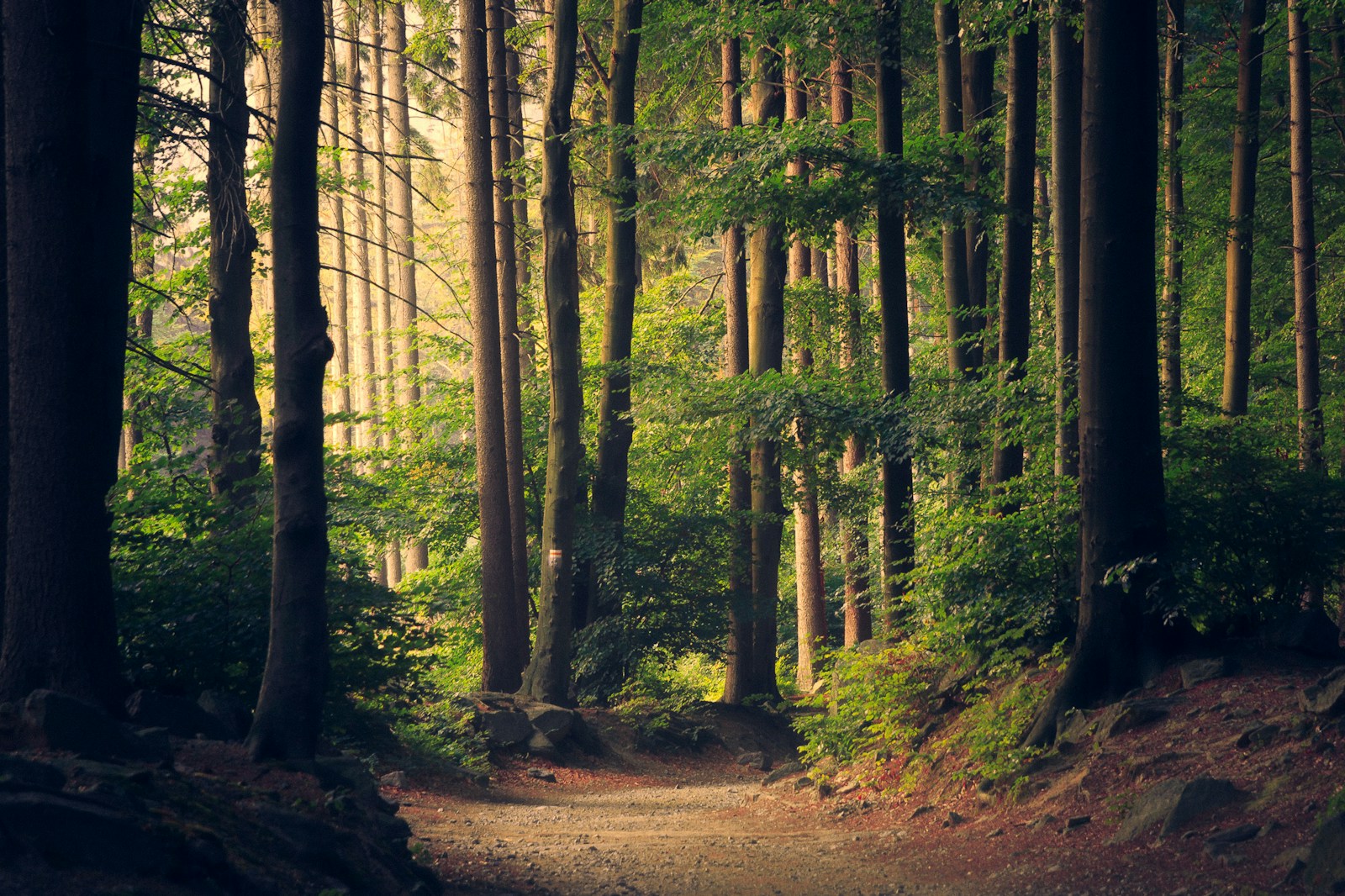
Rockefeller State Park Preserve protects 1,771 acres of rolling Westchester County landscape just 30 miles north of Manhattan—a stunning legacy of the Rockefeller family’s conservation vision. With 55 miles of elegant carriage trails winding through old-growth forest, open meadows, and past the serene 24-acre Swan Lake, this preserve feels more like a private estate than a public park. Designated an Audubon Important Bird Area with nearly 200 documented bird species, it’s one of the finest nature refuges in the entire Hudson Valley. The Rockefeller family began donating this extraordinary property to New York State in 1983, and it was added to the State Register of Historic Places in 2018.
🌿 At a Glance
- Size: 1,771 acres
- Trails: 55 miles of carriage roads
- Established: 1983 (first Rockefeller donation)
- Wildlife: 200 bird species (Audubon IBA)
- Camping: None (day-use only)
- Parking: $6/vehicle (Empire Pass accepted)
- Hours: Sunrise to sunset, year-round
Carriage Trail System
The signature feature of Rockefeller State Park Preserve is its extraordinary network of 55 miles of gently graded carriage trails, originally designed for horse and buggy use by John D. Rockefeller and his descendants. These wide, well-maintained paths offer some of the most civilized hiking in New York—no scrambling over rocks, no narrow goat paths, just smooth walking through breathtaking scenery. The trails are open to hikers, joggers, horseback riders, and cross-country skiers (no bicycles or motorized vehicles permitted).
| Trail | Distance | Difficulty | Highlights |
|---|---|---|---|
| 🌿 Swan Lake Loop | 1.4 miles | Easy | 24-acre lake, swans, turtles, wildflowers |
| 🌿 Big Tree Loop | 2.0 miles | Easy | NY’s tallest black oak, massive tulip trees |
| 🌿 Pocantico River Trail | 3.2 miles | Easy–Moderate | River crossings, wetlands, wildlife |
| 🌿 Brothers’ Path | 2.5 miles | Moderate | Rolling hills, meadow views, spring blooms |
| 🌿 Overlook Trail | 1.8 miles | Easy–Moderate | Panoramic views, hilltop meadow |
| 🌿 Old Sleepy Hollow Road | 4.0 miles | Moderate | Historic route, connects to village |
🐴 Equestrian Access
Horseback riding is permitted on all carriage trails. An equestrian permit is required—apply through the park office. Riders must provide proof of negative Coggins test. Trails are shared with hikers, so please announce when passing.
Rockwood Hall
The Rockwood Hall section of the preserve fronts the Hudson River and offers a completely different experience from the main park. Once the private estate of William Rockefeller (brother of John D.), this 86-acre section features sweeping lawns, mature specimen trees, and stunning river views. The original mansion was demolished in 1942, but the grand stone walls, terraces, and carriage paths remain, creating an atmosphere of faded grandeur that’s absolutely magical during fall foliage season.
| Feature | Details |
|---|---|
| 🏛️ Historic Estate | Stone walls, terraces from William Rockefeller’s era |
| 🌅 Hudson River Views | Panoramic riverfront overlooks |
| 🌳 Specimen Trees | Massive oaks, sycamores, and rare plantings |
| 🏃 Activities | Picnicking, kite flying, frisbee, sledding (winter) |
| 🅿️ Parking | Separate lot off Route 9 (free) |
Birding & Wildlife
The National Audubon Society designated Rockefeller State Park Preserve an Important Bird Area (IBA), and for good reason. Nearly 200 bird species have been recorded here, from majestic raptors soaring above the meadows to tiny warblers flitting through the understory. The Saw Mill River Audubon Society leads free guided bird walks year-round (registration required), making this an incredibly welcoming destination for birders of all experience levels.
| Season | Notable Species | Best Spots |
|---|---|---|
| 🌸 Spring | 30+ warbler species, orioles, tanagers, osprey | Swan Lake, Pocantico River |
| ☀️ Summer | Wood thrush, indigo bunting, great blue heron | Meadows, wetland edges |
| 🍂 Fall | Raptors (hawks, eagles), migrating songbirds | Overlook Trail, hilltops |
| ❄️ Winter | Owls (great horned, screech), woodpeckers, juncos | Big Tree Loop, forest interior |
Beyond birds, the preserve supports a rich mammal population including white-tailed deer, red fox, coyote, mink, and river otter along the Pocantico River. In spring and summer, the meadows come alive with butterflies, dragonflies, and wildflowers. Dawn and dusk are the best times for wildlife encounters—early morning visitors often have the trail to themselves.
Swan Lake
The 24-acre Swan Lake is the visual centerpiece of the preserve and one of the most photographed locations in Westchester County. True to its name, the lake is home to resident mute swans whose elegant forms glide across the water year-round. In spring, watch for cygnets following their parents. The lake also hosts painted turtles, bullfrogs, great blue herons, and kingfishers. The 1.4-mile Swan Lake Loop encircles the entire lakeshore and is the park’s most popular—and most beautiful—walk.
Champion Trees
The preserve is home to some of the most magnificent trees in New York State. The Big Tree Loop trail passes through groves of towering tulip poplars that reach over 100 feet and features New York’s tallest black oak. These ancient trees survived because the Rockefeller family protected this land from logging for over a century—a gift of foresight that today’s visitors benefit from with every step.
The Rockefeller Legacy
John D. Rockefeller Sr. (1839–1937) began acquiring land in the Pocantico Hills area in the 1890s, eventually assembling a vast estate called Kykuit. He and his descendants—particularly Laurance Rockefeller—were passionate conservationists who designed the carriage trail system for both recreation and land stewardship. Beginning in 1983, family members donated parcels to New York State, creating the preserve we know today. The park was honored with placement on the State Register of Historic Places in 2018.
The carriage roads themselves are a masterwork of landscape design—carefully graded, surfaced with crushed stone, and routed to showcase the property’s most beautiful vistas. Walking them today, you’re literally following in the footsteps of one of America’s most powerful families.
Seasonal Guide
| Season | Activities | Crowds | Tips |
|---|---|---|---|
| 🌸 Spring (Apr–May) | Warbler migration, wildflowers, birding walks | Moderate | Peak birding—bring binoculars! |
| ☀️ Summer (Jun–Aug) | Hiking, jogging, horseback riding | Moderate–High | Morning walks before heat |
| 🍂 Fall (Sep–Nov) | Foliage walks, hawk migration, photography | High | Peak foliage usually mid-October |
| ❄️ Winter (Dec–Mar) | Cross-country skiing, snowshoeing, owl walks | Low | Carriage roads great for XC skiing |
Entry & Parking
| Fee Type | Cost | Notes |
|---|---|---|
| 🅿️ Main Lot Parking | $6/vehicle | Collected daily 8 AM–4:30 PM |
| 🅿️ Rockwood Hall Lot | Free | Separate entrance off Route 9 |
| 🎫 Empire Pass | $80/year | All NY state parks, unlimited visits |
| 👴 Seniors (62+) | Free (weekdays) | NYS driver’s license required |
Getting There
The main park entrance is located at 125 Phelps Way, Pleasantville, NY 10570, just off Route 117. Rockwood Hall has a separate entrance off Route 9 in Sleepy Hollow.
| From | Distance | Drive Time |
|---|---|---|
| 🏙️ Manhattan (NYC) | 30 miles | ~45 minutes |
| 🏡 White Plains | 8 miles | ~15 minutes |
| 🏰 Sleepy Hollow | 3 miles | ~8 minutes |
| 🌉 Tappan Zee Bridge | 5 miles | ~10 minutes |
🚆 Metro-North Option
Take Metro-North Railroad (Harlem Line) to Pleasantville Station—the park entrance is approximately 1.5 miles from the station (walkable or short taxi ride). This makes Rockefeller one of the most accessible wilderness experiences from NYC via public transit.
Park Rules & Etiquette
- 🚫 No bicycles on any trails
- 🚫 No drones, metal detectors, or motorized vehicles
- 🚫 No camping or open fires
- 🐕 Dogs on leash (max 6 feet) — clean up after
- 🐴 Equestrian permit required for horseback riding
- 🌿 Stay on trails — this is a preserve, not a park
Budget Planner
| Expense | Budget | Mid-Range | Premium |
|---|---|---|---|
| 🅿️ Parking | $6 | $6 | $80 (Empire Pass) |
| 🍔 Food | $0 (pack lunch) | $15 (café in Pleasantville) | $40+ (Tarrytown restaurants) |
| 🔭 Binoculars | $0 (loan from Audubon) | $0 | Own gear |
| Day Total | $6 | $21 | $120+ |
Safety Tips
| Hazard | Details | Prevention |
|---|---|---|
| 🦌 Deer Ticks | Lyme disease area—ticks active Mar–Nov | Permethrin clothing, DEET, full tick check after walks |
| 🐻 Coyotes | Resident population, usually shy | Keep dogs leashed, make noise on trails |
| 🌧️ Muddy Trails | Carriage roads can be slippery after rain | Wear waterproof boots, check conditions |
| 🗺️ Getting Lost | 55 miles of trails can be confusing | Download trail map, carry phone with GPS |
What to Pack
🌿 Day Hike
- Comfortable walking shoes
- Water bottle
- Trail map (download from park site)
- Tick repellent
🐦 Birding
- Binoculars (or borrow from Audubon walks)
- Field guide to Eastern birds
- Camera with telephoto lens
- Notebook for species list
🍂 Fall Foliage
- Camera (peak mid-October)
- Light layers
- Thermos with hot drink
- Tripod for low-light shots
Nearby Attractions
- Kykuit (Rockefeller Estate) — Guided tours of the family mansion and gardens (seasonal, reservations required)
- Sleepy Hollow Cemetery — Washington Irving’s grave, historic headstones (10 min)
- Lyndhurst Mansion — Gothic Revival National Trust site on the Hudson (15 min)
- Stone Barns Center — Farm-to-table education, Blue Hill restaurant (adjacent)
- Croton Gorge Park — Dam overlook, waterfall, swimming (20 min)
Frequently Asked Questions
Are bikes allowed at Rockefeller State Park Preserve?
No. Bicycles are prohibited on all trails within the preserve. The carriage roads are reserved for hikers, joggers, horseback riders, and cross-country skiers. This policy protects both the historic stone-dust trail surfaces and the peaceful atmosphere that makes the preserve special.
Can I bring my dog to Rockefeller State Park?
Yes, dogs are welcome but must be on a leash no longer than 6 feet at all times. Please clean up after your pet. The wide carriage roads make this a wonderful dog-walking destination—just be mindful of horseback riders.
How long are the trails at Rockefeller State Park?
The preserve has over 55 miles of interconnected carriage trails. Individual loops range from 1.4 miles (Swan Lake Loop) to multi-hour adventures of 10+ miles by connecting several trails. Most visitors enjoy 2–5 mile walks; the gentle grades make for comfortable hiking regardless of fitness level.
Is Rockefeller State Park Preserve connected to Kykuit?
The preserve and Kykuit (the Rockefeller family estate) are adjacent properties that share some trail connections. However, Kykuit is managed by the National Trust for Historic Preservation and requires separate admission and reservations for guided tours. The preserve trails pass near but do not enter the private estate grounds.
What is the best time to visit Rockefeller State Park?
Fall (mid-October) offers spectacular foliage along the carriage roads. Spring (April–May) is peak birding season with 30+ warbler species migrating through. Winter provides serene cross-country skiing on the smooth trails. Weekday mornings are quietest year-round—the preserve is busiest on weekend afternoons.
Can you go horseback riding at Rockefeller State Park?
Yes! Horseback riding is permitted on all carriage trails, which were originally designed for horse and buggy use. An equestrian permit is required—apply through the park office. Riders must provide proof of a negative Coggins test for their horses.
How much does parking cost at Rockefeller State Park?
Parking at the main entrance is $6 per vehicle, collected daily from 8 AM to 4:30 PM. The Empire Pass ($80/year) covers unlimited visits. New York State residents 62 and older park free on weekdays with a valid NYS driver’s license. The Rockwood Hall lot off Route 9 is free.
🌿 A Rockefeller Legacy for Everyone
Rockefeller State Park Preserve transforms one family’s private estate into a public treasure—55 miles of carriage trails, 200 bird species, and Hudson River views, all just 30 miles from Times Square. Visit NY State Parks for trail maps and event schedules.