🌤 Weather at Rose Hill Plantation State Historic Site by season
| Spring | Summer | Fall | Winter |
|---|---|---|---|
| 38–81 °F | 65–90 °F | 37–83 °F | 29–57 °F |
Each range runs from the coldest monthly average low to the warmest monthly average high in that season (1991-2020 climate normals), measured at Union 8 S, 8 mi away, elevation 480 ft. Conditions at the park can differ from the station, especially where elevation differs — check a forecast before you go.

🏛️ The Mansion Where Secession Was Born — Home of the Governor Who Tore America Apart — Rose Hill Plantation State Historic Site in Union, South Carolina, 1828–1832 mansion remodeled to Greek Revival, home of Governor William Henry Gist (1858–1860), the “Secessionist Governor,” organized South Carolina’s Ordinance of Secession (December 20, 1860), cotton plantation with nearly 200 enslaved people, National Register of Historic Places — Union County, SC
On December 20, 1860, South Carolina became the first state to secede from the Union. The man who made it happen — who organized the convention, who pressured the delegates, who had secretly written to other Southern governors urging them to follow — was William Henry Gist. And this was his house.
Rose Hill Plantation preserves the Greek Revival mansion of the “Secessionist Governor” — the man who lit the fuse that became the Civil War. At the height of his power, Gist held nearly 200 people in bondage on this plantation. Today, the site interprets both the Gist family’s story and the lives of the enslaved people who made their wealth possible.
What to See
| Feature | Details |
|---|---|
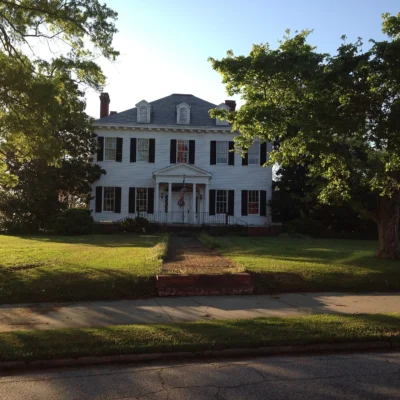
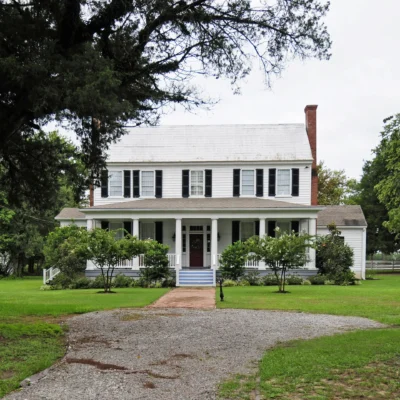
| The Mansion | Built 1828–1832 in Georgian style, remodeled by Gist in the late 1850s to Greek Revival with stucco walls and two-tiered porches. Period furnishings and personal artifacts |
| Detached Kitchen | 1850s brick kitchen building — one of the few surviving outbuildings from the working plantation |
| Enslaved People’s History | Interpretation of the nearly 200 enslaved people who lived and worked at Rose Hill. Evidence of post-emancipation tenant farming on the property |
| Guided Tours | Ranger-led tours of the mansion covering the Gist family, the road to secession, the enslaved community, and the Reconstruction era |
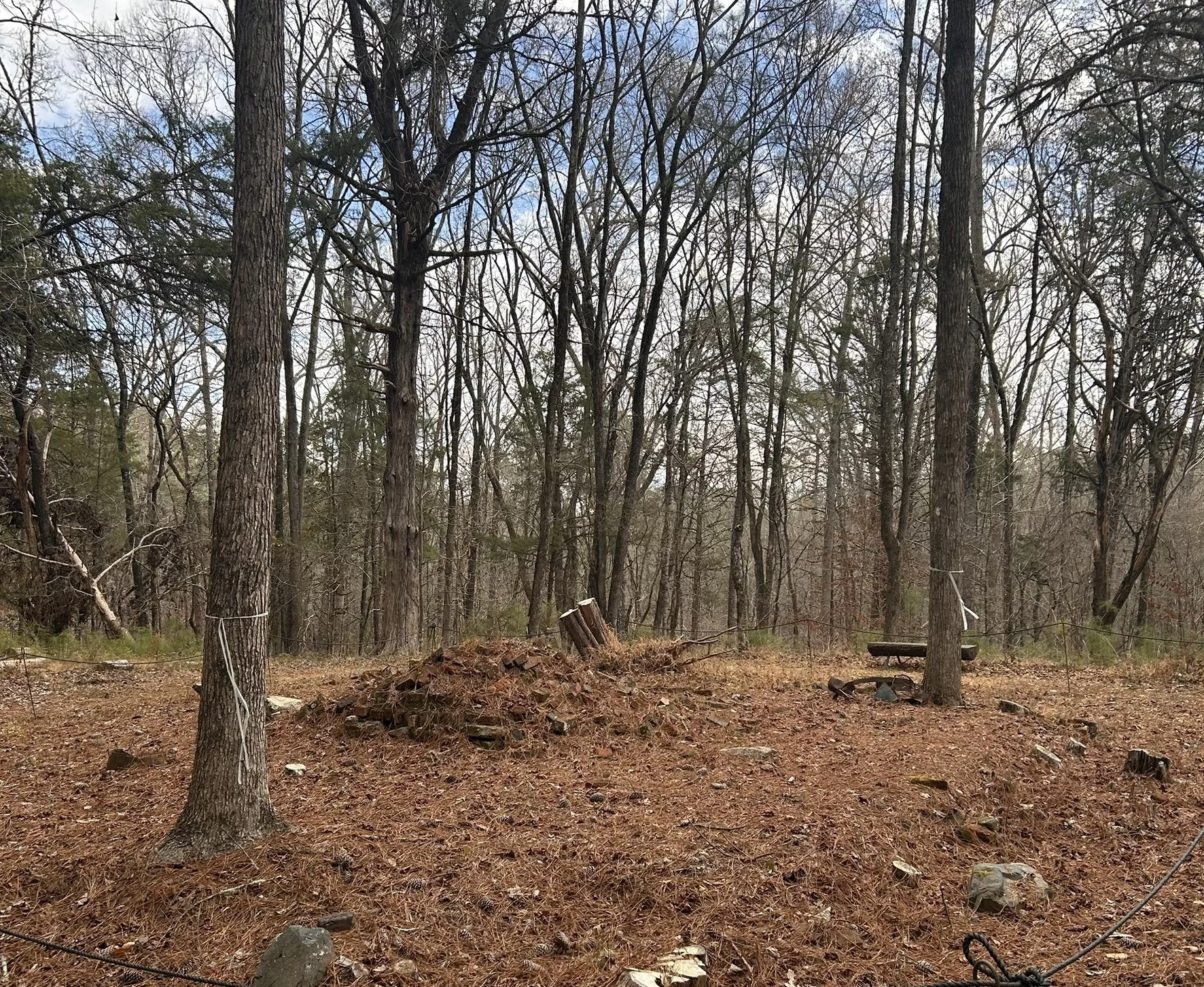
| Grounds | Shaded grounds with heritage trees. Ruins of tenant houses from the post-Civil War era — where formerly enslaved people remained as sharecroppers |
The Timeline
| Year | Event |
|---|---|
| 1828–1832 | Rose Hill mansion constructed in Georgian style. The plantation grows cotton with enslaved labor |
| 1858 | Gist elected Governor of South Carolina. He immediately begins working toward secession |
| Late 1850s | Gist remodels the mansion to Greek Revival — stucco walls, columned porches. At this point he holds nearly 200 enslaved people |
| Oct 1860 | Gist secretly writes to other Southern governors urging coordinated secession if Lincoln wins |
| Nov 1860 | Lincoln elected. Gist calls the South Carolina legislature into special session |
| Dec 20, 1860 | South Carolina adopts the Ordinance of Secession — the first state to leave the Union. Gist’s term ends days later. His work is done |
| 1861–1865 | Civil War. The plantation system Gist defended is destroyed |
| 1874 | Gist dies at Rose Hill. Formerly enslaved families remain on the land as tenant farmers |
Best Time to Visit
| Season | Best For |
|---|---|
| Spring (Mar–May) | 🌸 Dogwoods and azaleas. Comfortable weather for touring the grounds and mansion |
| Fall (Oct–Nov) | 🍂 Fall color in the upstate. Cool temperatures. Fewer visitors |
| Summer (Jun–Aug) | Hot and humid. Air-conditioned interior. Morning visits recommended |
| Winter (Dec) | Secession anniversary is December 20. Mild upstate winter |
Frequently Asked Questions
Was Gist really responsible for secession?
He was the catalyst. While secession sentiment had been building in South Carolina for decades, Gist was the governor who organized the convention, called the legislature into session, and secretly coordinated with other Southern governors. Without his aggressive leadership, the timing and sequence of secession might have been very different.
Does the site interpret slavery?
Yes — the lives of enslaved people are central to Rose Hill’s interpretation. The site tells the story of the nearly 200 enslaved people who made the plantation’s wealth possible, and traces what happened after emancipation, when many formerly enslaved families remained on the land as tenant farmers.
How is this different from other plantation sites?
Rose Hill is uniquely connected to the political act of secession itself. While many plantation sites interpret antebellum life, Rose Hill is the home of the governor who personally organized the convention that broke the Union apart. The political and the personal are inseparable here.
More parks nearby: Musgrove Mill State Historic Site is within about an hour’s drive, while Croft State Park lies within about an hour’s drive.
🏛️ The House Where Secession Was Organized
December 20, 1860. South Carolina leaves the Union. The governor who made it happen lived here — with 200 enslaved people who had no choice in the matter.
Wildlife & Nature
Rose Hill Plantation SHS — the cotton plantation home of William Henry Gist — the “Secession Governor” who led South Carolina to be the first state to secede from the Union in 1860. The 1828 Federal-style mansion and grounds support songbirds and white-tailed deer.
Nearby Attractions
Union — 8 miles west. Union County — surrounding. Sumter NF — nearby.

🐾 Dogs & Pets at Rose Hill Plantation State Historic Site
- Pets allowed? statewide rule
- Pets are allowed in most outdoor areas of South Carolina state parks provided they are kept under physical restraint or on a leash.
- Leash rule statewide rule
- Leash no longer than six feet (or other physical restraint) required at all times
- Cabins & lodging statewide rule
- Pets are not allowed in or around lodging facilities except in designated pet-friendly units at eight parks (Barnwell, Devils Fork, Dreher Island, Hickory Knob, Lake Hartwell, Oconee, Santee, Table Rock); up to two pets under 75 pounds each; additional charge applies
- Pet fees statewide rule
- Additional charge for pet-friendly cabins/villas; no fee for day use
- Statewide exceptions statewide rule
- Park staff may require removal of noisy or dangerous pets or pets that threaten wildlife
Are dogs allowed at Rose Hill Plantation State Historic Site?
Pets are allowed in most outdoor areas of South Carolina state parks provided they are kept under physical restraint or on a leash. Individual parks can post stricter rules — check signage on arrival.
Rules verified July 2026 via southcarolinaparks.com. More: South Carolina state parks guide · Dog rules in all 50 states compared
Park Location

Top Tours & Activities Near Greenville
 from $40
 from $50
 from $100