🌤 Weather at Weaverville Joss House State Historic Park by season
| Spring | Summer | Fall | Winter |
|---|---|---|---|
| 33–77 °F | 46–95 °F | 33–88 °F | 30–55 °F |
Each range runs from the coldest monthly average low to the warmest monthly average high in that season (1991-2020 climate normals), measured at Weaverville, 0 mi away, elevation 2,058 ft. Conditions at the park can differ from the station, especially where elevation differs — check a forecast before you go.

🏮 The Oldest Chinese Temple in California — Where Gold Rush Miners Prayed to Survive — Weaverville Joss House State Historic Park in Weaverville, Trinity County, California, Won Lim Miao (“Temple of the Forest Beneath the Clouds”), built 1874, oldest continuously used Chinese temple in California, Taoist worship, Gold Rush Chinese miners, hand-carved artwork from China, 1854 Tong War artifacts, Moon Lim Lee preservation — Trinity County, CA
In the 1850s, thousands of Chinese miners poured into California’s Trinity County in search of gold. They faced punishing taxes, violent discrimination, and laws designed to drive them out. In response, they built a temple — a place to pray, to gather, to survive.
The first joss house in Weaverville burned. They built another. It burned too. In 1874, they built Won Lim Miao — the “Temple of the Forest Beneath the Clouds” — and this one survived. Today, it is the oldest continuously used Chinese temple in California, a place where worship has continued without interruption for 150 years.
What to See
| Feature | Details |
|---|---|
| The Temple | 1874 Taoist temple with original interior. Hand-carved wooden artwork, statues, and furnishings imported from China. The interior remains largely unchanged since construction |
| Altar & Worship Space | Active Taoist altar with traditional incense burners, offerings, and deity statues. Visitors can observe (respectfully) — this is still a functioning place of worship |
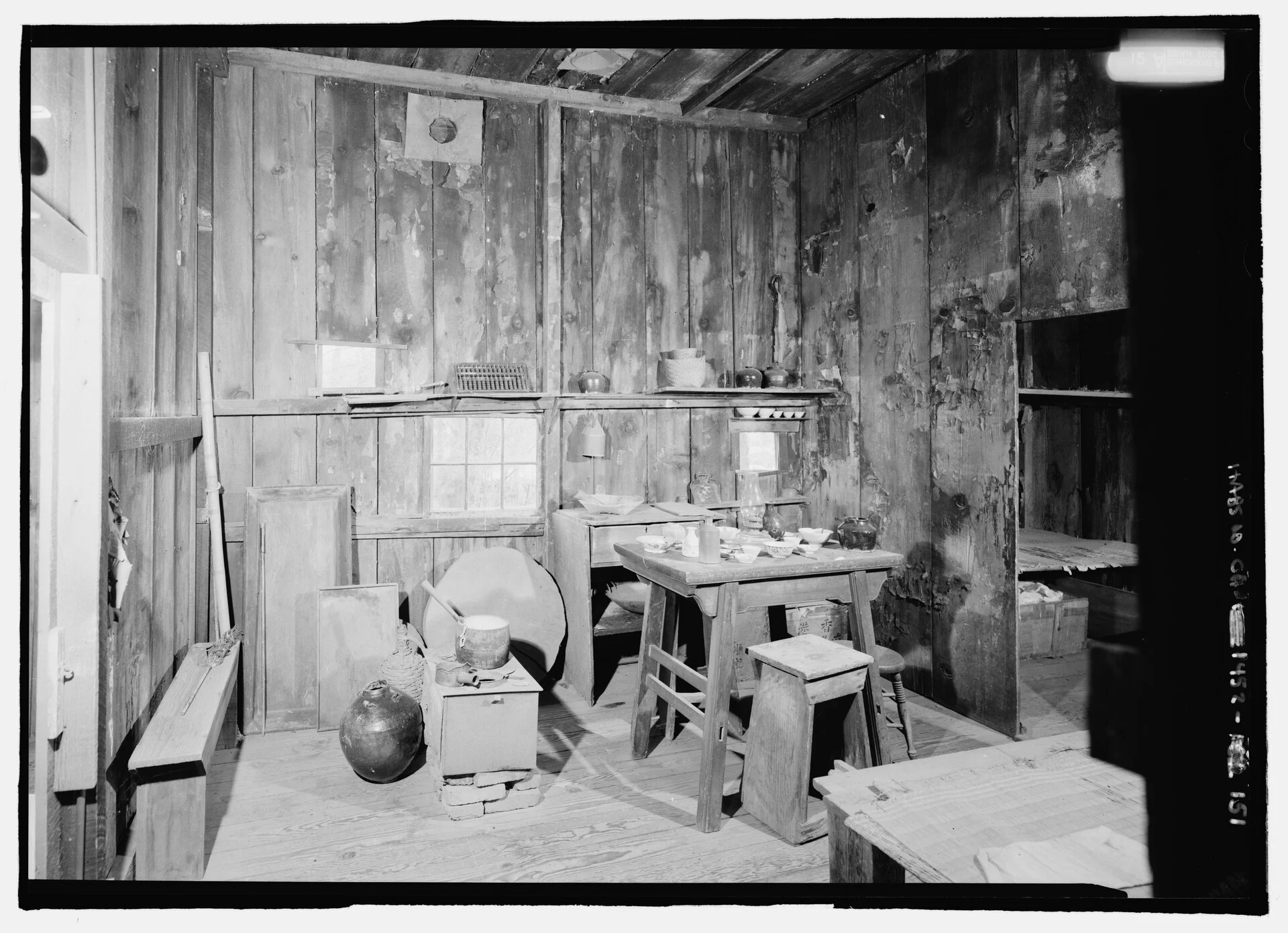
| Museum | Exhibits on Chinese immigrant life during the Gold Rush — mining tools, cultural artifacts, photographs. Wrought-iron weapons from the 1854 Tong War between rival Chinese factions |
| Moon Lim Lee Gallery | Honoring the local descendant who spent decades fighting to preserve the temple. Without her advocacy, the joss house would not have become a State Historic Park in 1956 |
| Gardens | Peaceful grounds surrounding the temple. Historic trees and traditional garden elements |
The Timeline
| Year | Event |
|---|---|
| 1849 | California Gold Rush begins. Chinese immigrants arrive in growing numbers to mine placer gold |
| 1850s | Weaverville becomes a major mining center. Chinese miners build the first joss house for worship and community |
| 1854 | The Weaverville Tong War — two rival Chinese factions fight a pitched battle with wrought-iron weapons. Artifacts survive in the museum |
| 1873 | A devastating fire destroys the existing joss house |
| 1874 | Won Lim Miao — “Temple of the Forest Beneath the Clouds” — is built as a replacement. Interior furnishings shipped from China |
| 1882 | Chinese Exclusion Act — the first U.S. law to ban immigration by ethnicity. Chinese communities decline nationwide |
| 1956 | Through the advocacy of Moon Lim Lee, the temple is preserved as a California State Historic Park |
Best Time to Visit
| Season | Best For |
|---|---|
| Summer (Jun–Aug) | ☀️ Full hours. Trinity County at its best. Combine with Whiskeytown NRA and Trinity Lake |
| Fall (Sep–Oct) | 🍂 Fall color in the Trinity Alps. Fewer visitors. Cool mountain air |
| Spring (Apr–May) | Wildflower season in Trinity County. Variable weather |
| Winter (Dec–Feb) | Reduced hours. Snow possible in the mountains. Call ahead |
Frequently Asked Questions
What is a “joss house”?
The term likely comes from the Portuguese word “Deus” (God), filtered through Pidgin English in Chinese port cities. In California, “joss house” became the common English term for Chinese temples. “Joss” = God, “joss sticks” = incense.
Is the temple still active?
Yes — worship has continued here without interruption since 1874. The altar is maintained, incense is burned, and traditional Taoist observances continue. It is both a museum and a living temple.
What was the 1854 Tong War?
A battle between two rival Chinese factions in Weaverville. Approximately 600 Chinese miners from competing tongs (associations) fought with wrought-iron weapons — pikes, tridents, and shields. Several were killed. The iron weapons are displayed in the museum.
More parks nearby: Whiskeytown-Shasta-Trinity NRA is within about an hour’s drive, while Shasta State Historic Park lies within about an hour’s drive.
🏮 150 Years of Unbroken Worship
Built 1874 after fires destroyed two predecessors. Hand-carved from China. Still active today. The oldest continuously used Chinese temple in California.
Wildlife & Nature
Weaverville Joss House SHP — the oldest continuously used Chinese temple in California (since 1874). The temple’s historic grounds and garden preserve the legacy of the Chinese community during the Gold Rush. The site supports songbirds and native plants.
Nearby Attractions
Weaverville — adjacent — a Gold Rush-era town. Trinity Alps Wilderness — nearby. Trinity County — surrounding.

🐾 Dogs & Pets at Weaverville Joss House State Historic Park
- Pets allowed? statewide rule
- Dogs are permitted in California State Parks only in developed areas — campgrounds, picnic areas, parking lots and paved roads — and are prohibited on most trails, beaches and undeveloped areas unless specifically designated as dog-friendly.
- Leash rule statewide rule
- Maximum 6-foot leash at all times; dogs may not be left unattended.
- Beaches & swim areas statewide rule
- Dogs are prohibited on most state beaches; only beaches specifically designated as dog-allowed permit them (varies by park).
- Cabins & lodging statewide rule
- Pets are generally not allowed in buildings or cabins; overnight campers must keep dogs inside a tent or vehicle at night.
- Statewide exceptions statewide rule
- Designated dog-friendly trails and beaches vary park by park; misrepresenting a pet as a service animal is a misdemeanor.
Are dogs allowed at Weaverville Joss House State Historic Park?
Dogs are permitted in California State Parks only in developed areas — campgrounds, picnic areas, parking lots and paved roads — and are prohibited on most trails, beaches and undeveloped areas unless specifically designated as dog-friendly. Individual parks can post stricter rules — check signage on arrival.
Rules verified July 2026 via parks.ca.gov. More: California state parks guide · Dog rules in all 50 states compared
Park Location
Plan your gear for Weaverville Joss House State Historic Park
From our editorial guides, matched to this park’s activities: