Westmoreland State Park
🦈 Trusted Guide to Virginia’s Fossil Coast – Updated 2025
Ancient Shark Teeth on the Potomac
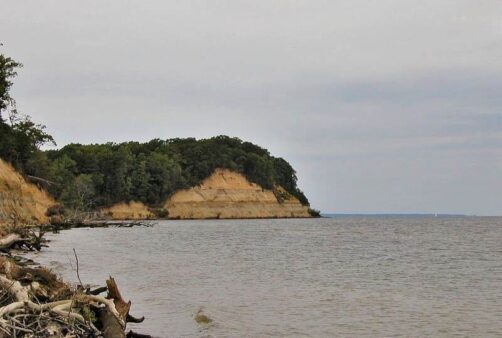
Perched atop dramatic Horsehead Cliffs overlooking the Potomac River, Westmoreland State Park occupies 1,321 acres of Virginia’s Northern Neck — a landscape where millions of years of geological history erode from river bluffs and wash onto beaches below. This park is famous for fossil hunting: Miocene-era shark teeth, whale bones, and dolphin fossils dating back 10-20 million years regularly appear along the shoreline, making every beach walk a potential paleontological discovery. Beyond the fossils, six miles of trails, rustic cabins, and sweeping river views make this one of Virginia’s most distinctive state parks.
Fossil Beach
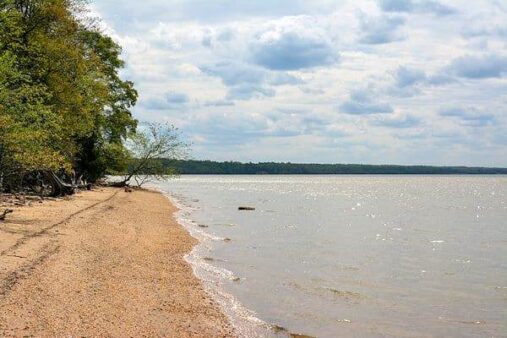
The park’s main draw is Fossil Beach, accessible via the Big Meadow Trail, where the constant erosion of ancient cliff sediments deposits prehistoric treasures on the sand. Shark teeth are the most common finds — species that swam here when this region lay beneath a warm, shallow sea. Whale vertebrae, ray dental plates, and dolphin bones also appear. The best hunting follows storms or high tides, when fresh material washes free. Visitors may keep reasonable personal collections of fossils found on the beach.
Horsehead Cliffs & Trails
The park’s six miles of trails traverse bluffs, forests, and riverside terrain. The star attraction is the clifftop view from Horsehead Cliffs, where the Potomac stretches nearly six miles wide — on clear days, Maryland’s shore is a distant ribbon across the water. Seven distinct trails range from easy nature walks to moderate hikes through mixed hardwood forest. The Turkey Neck Trail follows the cliff edge, while the Rock Springs Pond Trail loops through quiet interior forest.
Camping & Cabins
The park offers 155 campsites for tents and RVs (some with electric hookups), six cabins with river views, and three group camp areas. The campground operates from March through early December. The cabins provide an excellent base for multi-day fossil hunting and river exploration.
Practical Tips
- From Washington D.C. (75 miles): Take I-95 South to VA-3 East, follow to VA-347 North to the park
- Entry fee: $7 per vehicle (weekdays), $10 (weekends)
- Best fossil hunting: After storms or at low tide — morning light helps spot dark shark teeth on wet sand
- The pool has been closed since 2021 — swimming in the Potomac is not recommended due to currents and seasonal jellyfish
- Bring a mesh sifter or small screen to sort through gravel — dramatically increases your shark tooth finds
- The park hosts ranger-led fossil walks — check the event calendar for scheduled programs
- Combine with nearby George Washington Birthplace National Monument and Stratford Hall (Robert E. Lee’s birthplace) for a full history day