
🌤 Weather at Whirl’s End State Park by season
| Spring | Summer | Fall | Winter |
|---|---|---|---|
| 26–73 °F | 57–85 °F | 31–76 °F | 18–40 °F |
Each range runs from the coldest monthly average low to the warmest monthly average high in that season (1991-2020 climate normals), measured at Lock Haven Sewage Plt, 12 mi away, elevation 566 ft. Conditions at the park can differ from the station, especially where elevation differs — check a forecast before you go.

🏆 Creek’s End — Small park at the end of a whirling creek — quiet fishing and forest hiking in central Pennsylvania
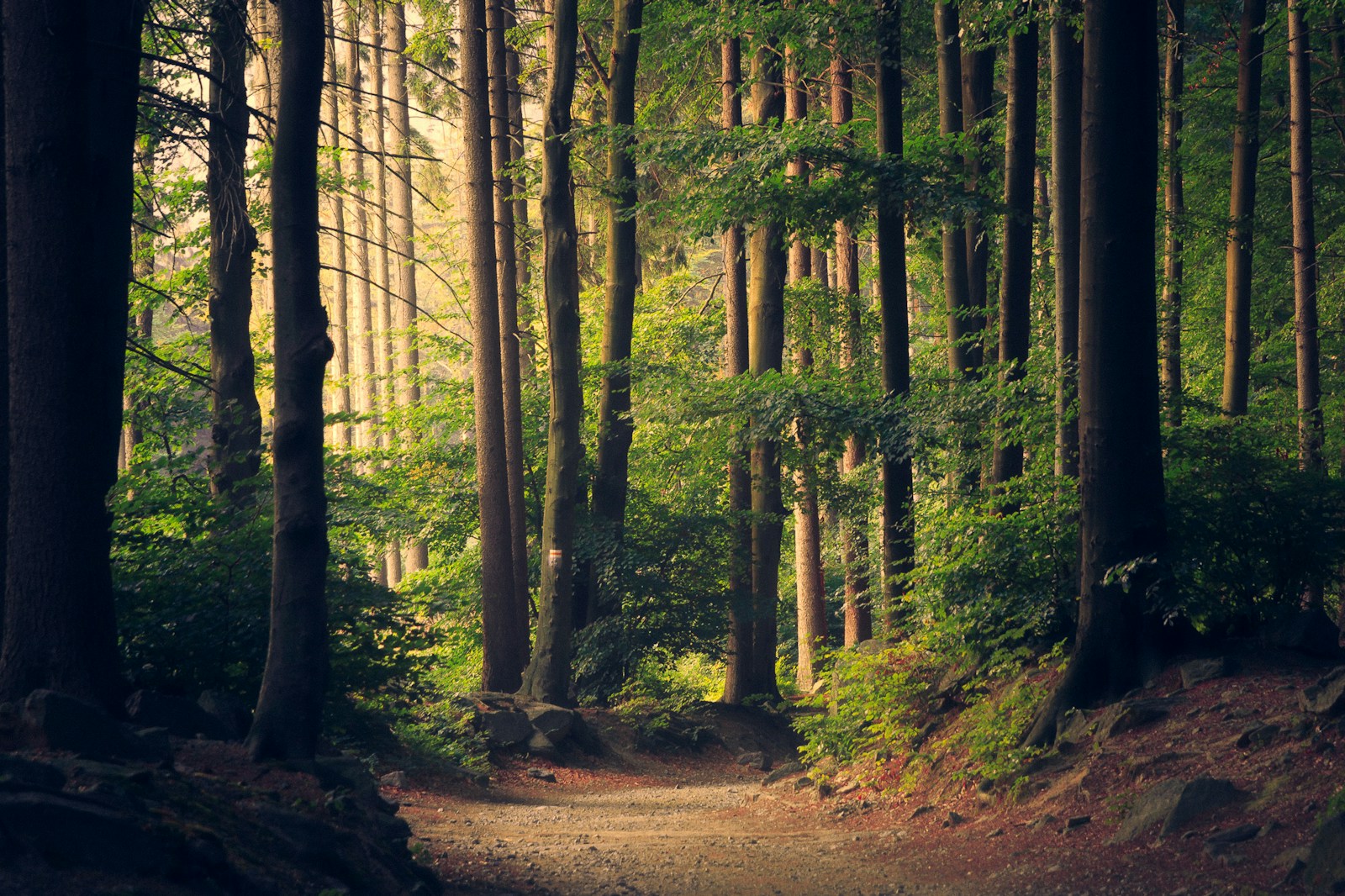
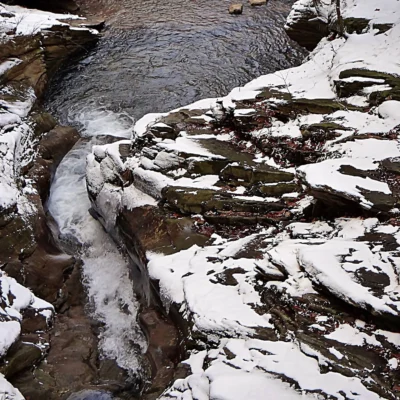
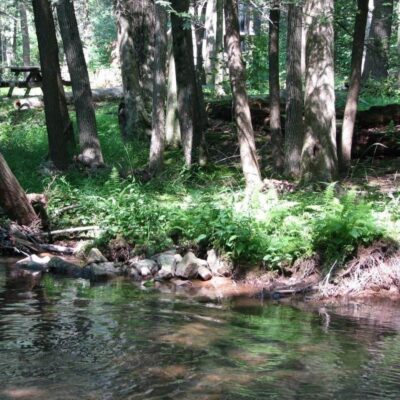
Whirl’s End State Park is a small forested park named for the “whirling” nature of the creek at its terminus — where the flowing water creates spiraling pools before joining a larger stream. Pennsylvania has over 86,000 miles of streams and rivers — more stream miles than any other state except Alaska! This extraordinary water wealth made Pennsylvania the powerhouse of early American industry — waterpower drove mills, forges, and factories throughout the colonial and industrial eras. The park offers quiet fishing, hiking, and bird watching in mature second-growth forest.
Visitor Information
| Detail | Information |
|---|---|
| Location | Central PA |
| Entry Fee | Free |
| PA Streams | 86,000 miles — 2nd most in US! |
| Name | Whirling pools at creek’s end! |
About Whirl’s End
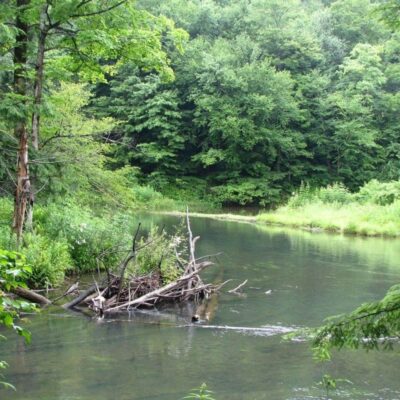
Whirl’s End State Park in Sullivan County — one of Pennsylvania’s least-populated counties — provides access to the Loyalsock Creek, one of the finest wild trout streams in the state. The name refers to a dramatic whirlpool formation in the creek. Sullivan County, deep in the Endless Mountains, has fewer than 6,000 residents across 450 square miles — genuine Appalachian wilderness within 200 miles of New York City.
Things to Do
Fishing for wild trout in Loyalsock Creek, swimming in the creek pools, hiking, hunting (seasonal), and experiencing the remote Endless Mountains — Pennsylvania’s emptiest and most wild landscape.
Insider Tips
Susquehanna whirlpool: Whirl’s End marks a point on the Susquehanna where the river narrows and creates dangerous whirlpools — hence the name. Pro tip: The Susquehanna is deceptively dangerous — its broad, shallow appearance hides strong currents and rocky bottoms. Shad migration: American shad once migrated up the Susquehanna by the millions — dams blocked the run, but fish passages are slowly restoring it.
Best Time to Visit
Spring: Shad run observation. Fall: River foliage. Summer: River access (exercise caution). Winter: Eagle watching.
Frequently Asked Questions
What happened to the shad?
American shad were once so abundant in the Susquehanna that colonists used them to fertilize fields. Dams built in the 1900s blocked their migration — shad populations crashed. A massive restoration effort (fish ladders, trap-and-transport) is slowly rebuilding the run. The goal is to restore 2 million shad to the Susquehanna — connecting the Chesapeake Bay to upstream spawning grounds.
Keep exploring: The closest neighbors are Ravensburg State Park (a short drive away) and Raymond B. Winter State Park (a short drive away).
Wildlife & Nature
Whirl’s End SP — provides recreation in a mountain forest setting. White-tailed deer and wild turkeys inhabit the forest. Brook trout fill nearby streams. Ruffed grouse drum in the understory.
Nearby Attractions
Central Pennsylvania communities — surrounding.

🐾 Dogs & Pets at Whirl’s End State Park
- Pets allowed? statewide rule
- Pets are allowed in day-use areas of Pennsylvania state parks and in designated campground sites, but must be physically controlled, attended at all times and leashed, caged or crated.
- Leash rule statewide rule
- Leash required at all times; no universal maximum length — inquire at the park office (electronic fences/shock collars not accepted as control)
- Beaches & swim areas statewide rule
- Pets are prohibited in swimming areas and designated beaches
- Cabins & lodging statewide rule
- Dogs allowed in a limited number of designated cabins, cottages and yurts (pilot program); maximum two dogs per unit; dogs must be house-trained and current on rabies vaccination
- Pet fees statewide rule
- No standard statewide pet fee; fees may be assessed for damage in dog-friendly lodging
- Statewide exceptions statewide rule
- Maximum two non-caged pets per campsite; pets prohibited in buildings; pet food may not be left outside camping units
Are dogs allowed at Whirl’s End State Park?
Pets are allowed in day-use areas of Pennsylvania state parks and in designated campground sites, but must be physically controlled, attended at all times and leashed, caged or crated. Individual parks can post stricter rules — check signage on arrival.
Rules verified July 2026 via pa.gov. More: Pennsylvania state parks guide · Dog rules in all 50 states compared
Park Location
Plan your gear for Whirl’s End State Park
From our editorial guides, matched to this park’s activities:
Top Tours & Activities Near Pennsylvania
 from $59
 from $595
 from $35