Wye Island Natural Resources Management Area

Overview
Wye Island Natural Resources Management Area encompasses approximately 2,800 acres on a scenic island in Queen Anne’s County on Maryland’s Eastern Shore. Situated between the Wye River and Wye East River, this protected area offers some of the most tranquil hiking, kayaking, and wildlife viewing on the Chesapeake Bay.
The island’s landscape blends hardwood forests, tidal shorelines, agricultural fields, and managed wetlands. Wye Island is particularly significant for wintering waterfowl — thousands of Canada geese, tundra swans, and various duck species congregate in the surrounding waters from November through March. The area also harbors populations of the rare Delmarva fox squirrel and nesting bald eagles.
Recreation and Activities
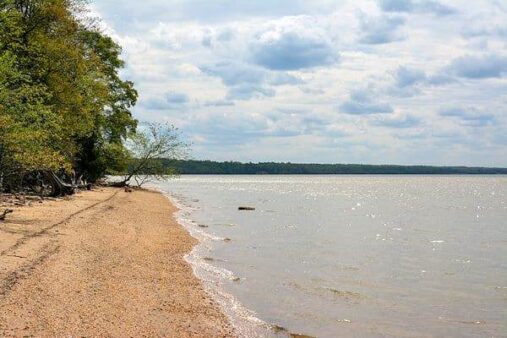
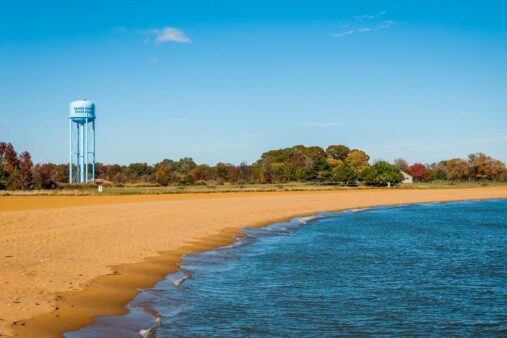
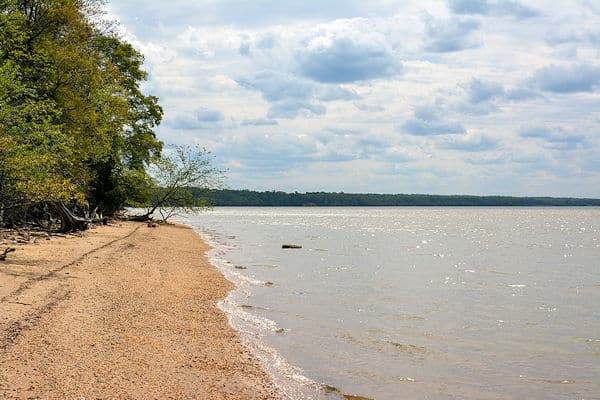
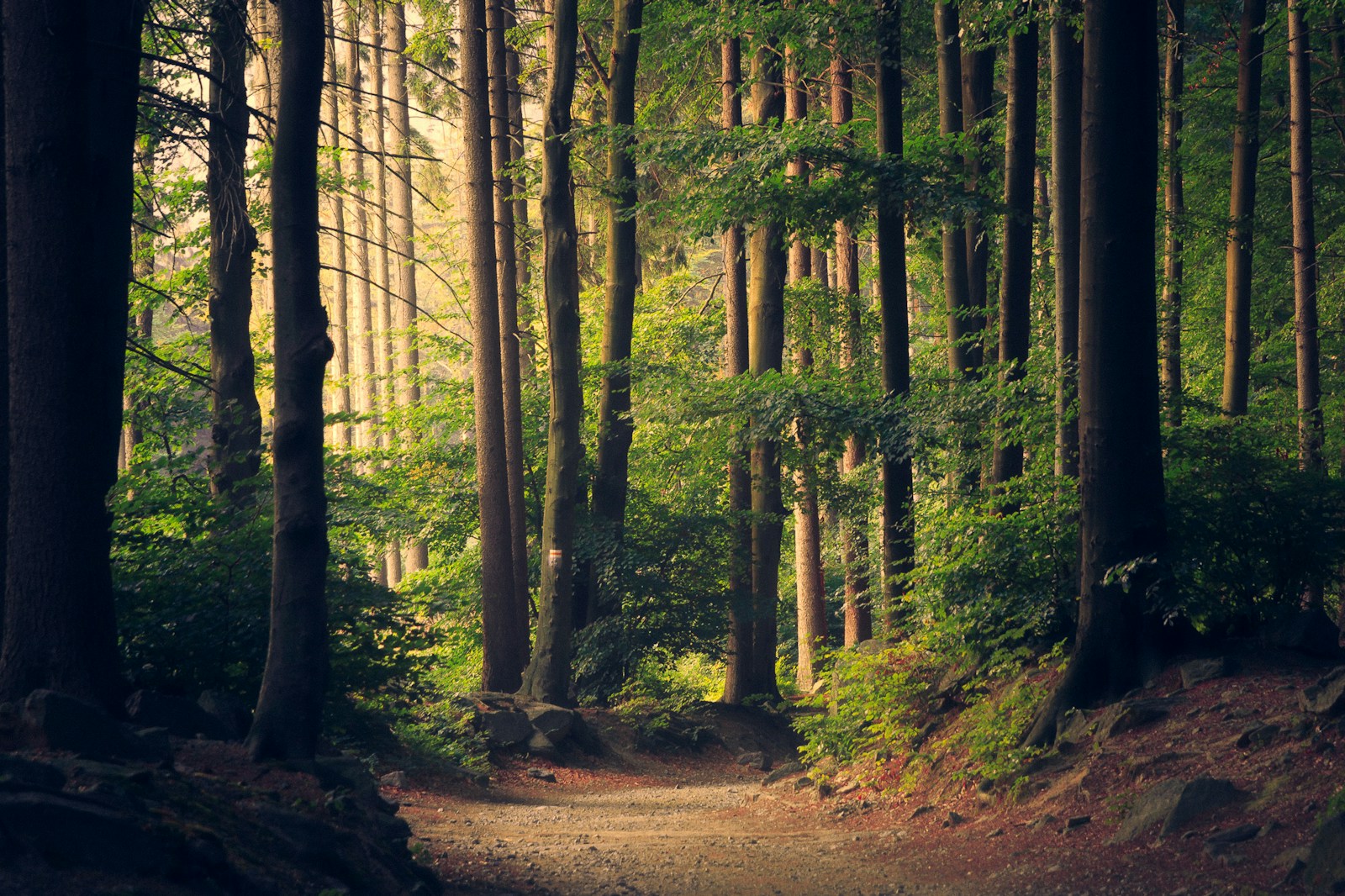
Approximately 6 miles of flat, easy trails wind through forests and along the shoreline. The Ferry Point Trail features a celebrated canopy of arching Osage orange trees leading to a sandy beach on the Wye River. The Schoolhouse Woods Nature Trail loops through mature hardwood forest containing ancient oaks and the Holly Tree Trail leads to an American holly tree over 290 years old.
Kayaking and canoeing are popular ways to explore the island’s expansive shoreline and tidal coves, with a soft launch for non-motorized vessels near Granary Creek. Hunting is permitted in designated areas during specific seasons.
Location and Access
Wye Island is located in Queen Anne’s County, accessible by vehicle via Carmichael Road from Maryland Route 662. The Eastern Shore towns of Queenstown and Easton are within 15 to 20 miles. The area is open sunrise to sunset daily, free of charge.
Frequently Asked Questions
Is there an admission fee?
No, admission is free.
Are dogs allowed?
Yes, dogs are permitted but must be kept on a leash.
Can I camp on Wye Island?
No, camping is not permitted. Nearby Tuckahoe State Park offers camping on Maryland’s Eastern Shore.
Insider Tips
Eastern Shore gem: Wye Island is a 2,800-acre island in the Wye River — one of the most beautiful natural areas on the Eastern Shore. Pro tip: The Wye Oak — once the largest white oak in America (460+ years old) — grew nearby until it fell in a 2002 storm. Its acorns were saved and seedlings planted statewide. Waterfowl: The island is surrounded by prime waterfowl habitat.
Best Time to Visit
Fall: Foliage and waterfowl. Spring: Osprey nesting and wildflowers. Summer: Kayaking around the island. Winter: Goose and swan viewing.
Frequently Asked Questions
What happened to the Wye Oak?
The Wye Oak was the largest white oak in the United States — 96 feet tall, 31 feet in circumference, and estimated at 460+ years old. It fell during a thunderstorm on June 6, 2002. Foresters had saved acorns and propagated seedlings — “offspring” of the Wye Oak have been planted across Maryland. The tree’s wood was used to create commemorative items. A descendant tree grows at the original site.