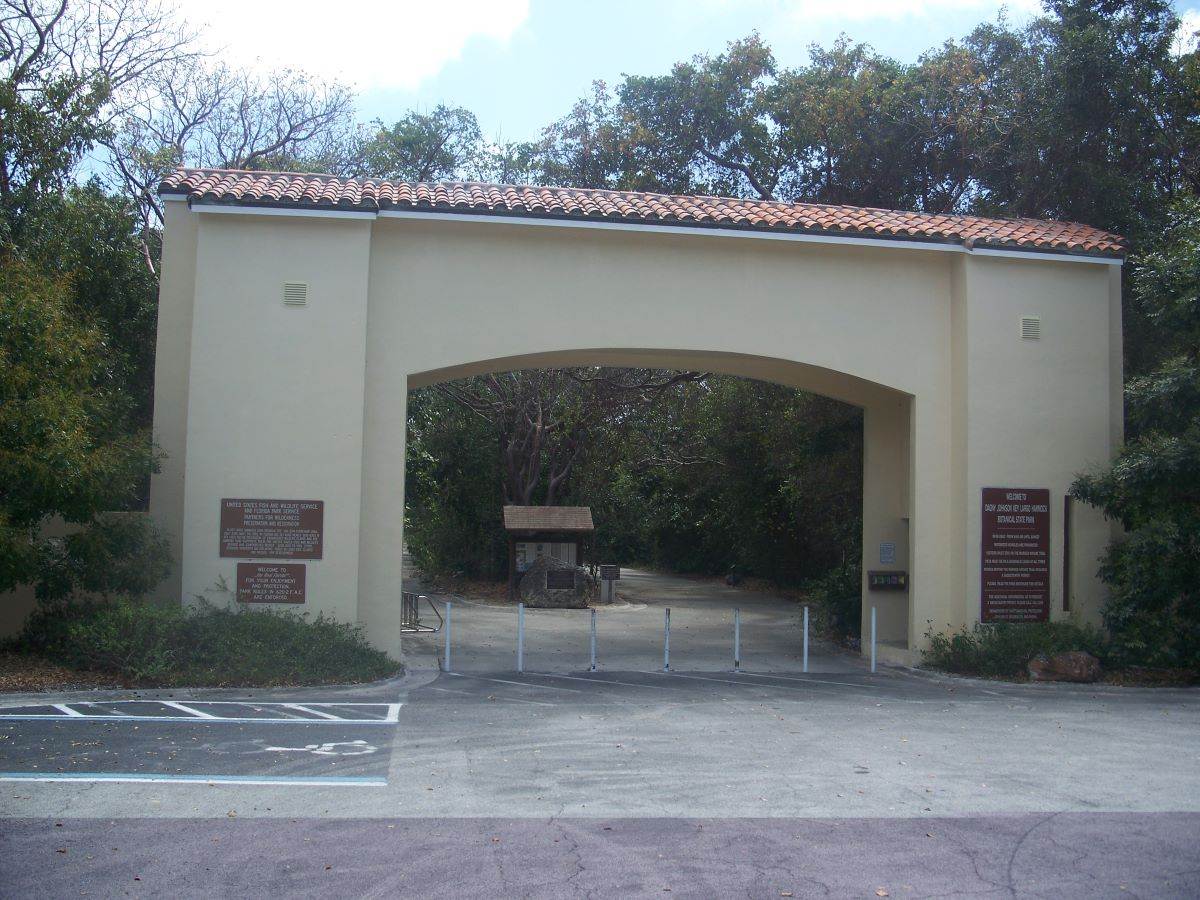
Dagny Johnson Key Largo Hammock Botanical State Park
Dagny Johnson Key Largo Hammock Botanical State Park: America’s Last Great Tropical Forest
On the northern tip of Key Largo, the largest remaining tract of West Indian tropical hardwood hammock in the continental United States stands as a living museum of Caribbean biology. Dagny Johnson Key Largo Hammock Botanical State Park protects 2,421 acres of this irreplaceable ecosystem — home to 84 protected species of plants and animals and more National Champion trees than any other location in America.
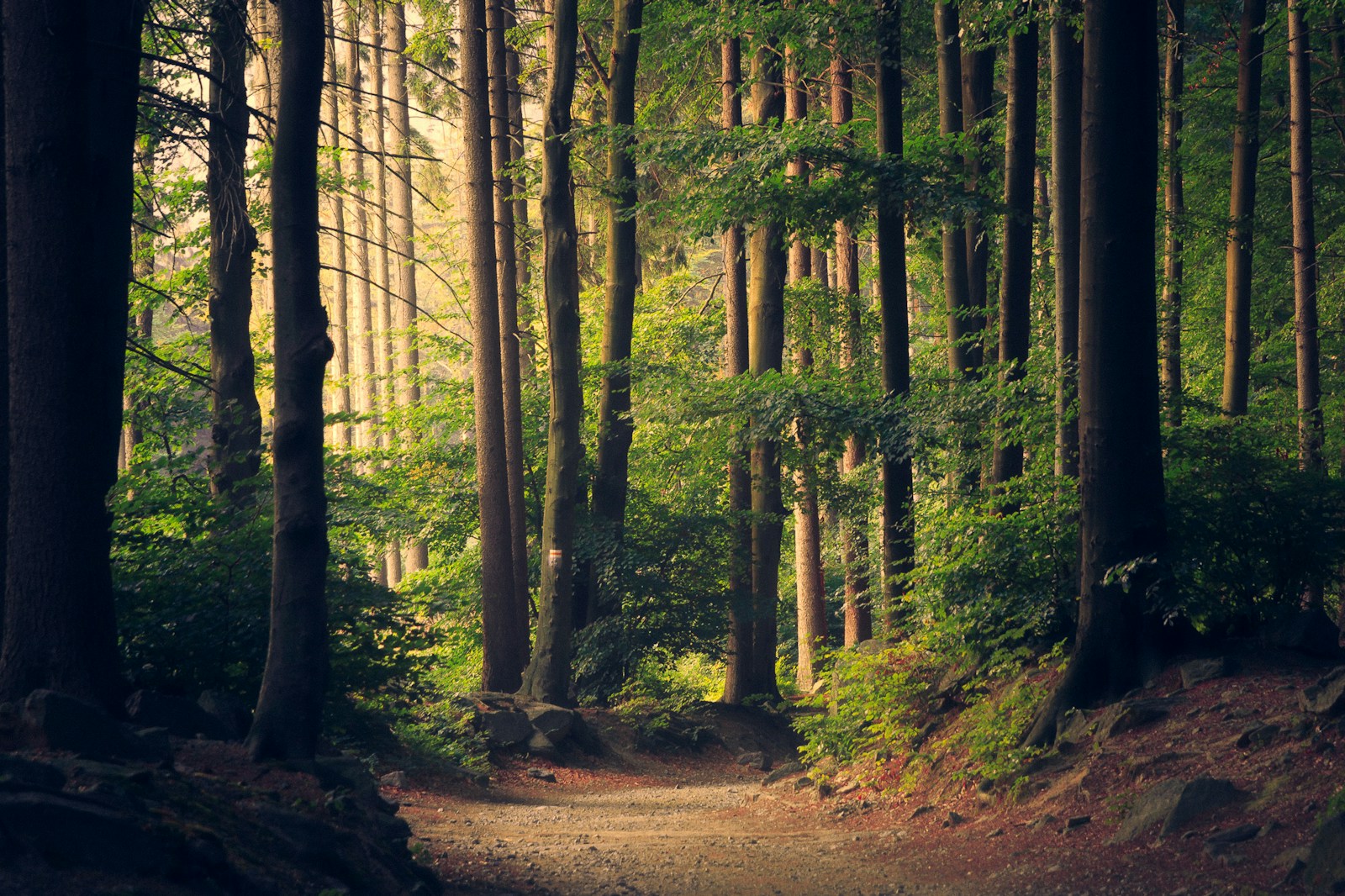
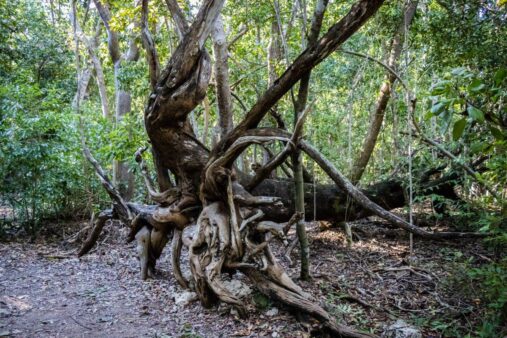
This is not a typical state park. There are no beaches, no campgrounds, no concession stands. Dagny Johnson is a botanical sanctuary — a place where West Indian mahogany, wild cotton, poisonwood, and gumbo limbo create a canopy so dense that the Keys’ blazing sun barely penetrates the forest floor. Rare Schaus’ swallowtail butterflies dance through the hammock, endangered Key Largo woodrats build their stick nests, and American crocodiles patrol the nearby mangrove fringes.
Park Facts at a Glance
| Information | Details |
|---|---|
| 📍 Location | North Key Largo, Monroe County, Florida Keys |
| 📐 Park Size | 2,421 acres |
| 🌳 Ecosystem | West Indian tropical hardwood hammock |
| 🦋 Protected Species | 84 species of plants and animals |
| 🥾 Trail Miles | 6+ miles (paved and natural surface) |
| 💰 Entry Fee | $2.50/person (honor box, cash only) |
| 🕐 Hours | Daily, 8 AM – sunset, 365 days/year |
| 📞 Phone | (305) 451-1202 |
| 🌐 Website | floridastateparks.org |
History: Saving the Hammock from the Bulldozers
In the 1970s and early 1980s, developers proposed building Port Bougainville — a massive luxury condominium complex on northern Key Largo that would have destroyed thousands of acres of virgin tropical hardwood hammock. In response, Dagny Johnson, an environmental activist and longtime Keys resident, led a fierce campaign to halt the development and preserve the forest.
Her advocacy, combined with support from environmental organizations and concerned citizens, succeeded. The state acquired the land, and the park was officially established in 1982. The old entrance road that would have been the development’s main thoroughfare is now a hiking trail — the Port Bougainville Trail — a fitting monument to the victory of conservation over concrete.
The park was renamed in honor of Dagny Johnson after her death, recognizing her pivotal role in saving what scientists call the most significant tract of subtropical forest remaining in the continental United States.
Ecology: A Caribbean Forest on American Soil
West Indian hardwood hammocks are subtropical dry forests whose closest relatives grow on Caribbean islands — Cuba, the Bahamas, Jamaica, and Hispaniola. In the continental US, they exist only in the Florida Keys and small pockets of the Miami Rock Ridge. Dagny Johnson protects the largest and most pristine example.
National Champion Trees
Dagny Johnson holds the remarkable distinction of containing the highest concentration of National Champion trees in the United States — none of which exceeds 45 feet in height. These diminutive champions are adapted to hurricane winds, thin rocky soil, and salt spray. Notable species include:
- West Indian Mahogany — once harvested nearly to extinction for fine furniture
- Wild Cotton — extremely rare outside the Florida Keys
- Mahogany Mistletoe — a parasitic plant found only in the Keys
- White Ironwood — one of the hardest woods in North America
- Florida Thatch Palm — the Keys’ iconic native palm
- Gumbo Limbo — the “tourist tree” with peeling red bark
Endangered Wildlife
The hammock shelters critically important wildlife populations:
- Schaus’ Swallowtail Butterfly — one of the rarest butterflies in North America
- Key Largo Woodrat — an endemic subspecies that builds elaborate stick nests
- Key Largo Cotton Mouse — found nowhere else on Earth
- American Crocodile — inhabiting the mangrove margins
- White-Crowned Pigeon — a migratory species dependent on hammock fruits
Trails and Exploration
The park features over 6 miles of trails, many paved and accessible for both bicycles and wheelchairs:
| Trail | Distance | Highlights |
|---|---|---|
| Key Largo Hammock Nature Trail | 1.1 mi | Two loops through primary hammock, interpretive signs |
| Port Bougainville Trail | 2+ mi | Wide paved path on old development road, biking-friendly |
| Butterfly Area | Within nature trail | Dedicated butterfly viewing zone with host plants |
| Backcountry Trails | 3+ mi | Extended trails (permit required from John Pennekamp) |
Ranger-led interpretive hikes are available and provide expert identification of rare trees, plants, and wildlife. Check with the park office for current schedules.
- Poisonwood: This toxic tree is common along trails. Contact with bark or sap causes severe rash similar to poison ivy — stay on designated paths.
- Manchineel: One of the world’s most dangerous trees. Do NOT touch or shelter under it during rain. Marked with warning signs.
- Mosquitoes: Extremely intense, especially in summer. The park does NOT conduct mosquito spraying. Heavy-duty insect repellent is essential.
- Payment: $2.50/person via honor box — cash only. Bring exact change.
Birdwatching and Butterfly Watching
Dagny Johnson is one of the premier birdwatching and butterfly destinations in the Florida Keys:
Key Bird Species
- White-crowned Pigeon (hammock-dependent, migratory from Caribbean)
- Yellow-billed Cuckoo
- Bahama Mockingbird (rare vagrant)
- Mangrove Cuckoo
- Black-whiskered Vireo
Key Butterfly Species
- Schaus’ Swallowtail (federally endangered — peak season April-June)
- Bahamian Swallowtail
- Julia Longwing
- Florida Purplewing
- Silver-banded Hairstreak
- Hammock Skipper
Nearby Attractions
| Attraction | Distance | Highlights |
|---|---|---|
| John Pennekamp Coral Reef State Park | 10 min | America’s first undersea park, snorkeling, glass-bottom boats |
| Florida Keys Wild Bird Rehabilitation Center | 15 min | Injured bird rescue and rehabilitation |
| Key Largo Coral Reef | Offshore | Part of the Florida Barrier Reef, diving and snorkeling |
| Crocodile Lake NWR | Adjacent | American crocodile habitat (limited access) |
| Windley Key Fossil Reef | 15 min | 125,000-year-old fossilized coral quarry |
Frequently Asked Questions
What is a tropical hardwood hammock?
A tropical hardwood hammock is a dense, subtropical forest ecosystem native to the Caribbean region. In the continental US, these forests exist only in the Florida Keys and small areas of mainland South Florida. They contain tree species found otherwise only in Cuba, the Bahamas, and Jamaica. Dagny Johnson protects the largest remaining tract in the continental US at 2,421 acres.
Is Dagny Johnson good for families with children?
The park works well for nature-loving families. Many trails are paved and stroller-accessible. However, be aware of poisonwood and manchineel trees (toxic to touch), heavy mosquitoes (especially in summer), and there are no playgrounds or swimming areas. Ranger-led hikes are excellent for curious kids interested in plants and wildlife.
When is the best time to see butterflies at Dagny Johnson?
The best butterfly watching is from April through June, when the greatest diversity of species is active, including the endangered Schaus’ swallowtail. Early morning (8-10 AM) offers the most activity. The butterfly area along the nature trail is the prime viewing location.
Do I need a backcountry permit?
A permit is required only for the backcountry trails (3+ miles beyond the main nature trail). Permits can be obtained from John Pennekamp Coral Reef State Park. The main trails (Nature Trail and Port Bougainville Trail) do not require a permit — only the $2.50 per person entry fee.
Can I ride a bike in the park?
Yes, bicycles are welcome on the trails. The paved Port Bougainville Trail is ideal for cycling. For unpaved sections, a fat-tire bike is recommended as trails can become wet and marshy. Leashed pets are also permitted on all trails.